

Self-Defense Expert Witness,
and the Investigation Behind the Case
Direct line: (239) 571-1840 · GregoryGilbertson@proton.me
Attorney and law-firm inquiries only
Firearms · Criminal defense · Stand-your-ground · Home defense
A self-defense expert witness here is retained most often in a firearms case: a lawfully armed person who used or displayed a weapon and now has to justify that decision. The analysis reads the whole encounter on the record and explains it in plain language a jury can follow, drawing on the same use-of-force training police officers receive.
Three experts. Over 110 years.
Professor Gregory Gilbertson (Ret.), FBI Special Agent Christopher Holland (Ret.), and Sheriff Robert Snaza consult with attorneys nationwide regarding police practices and procedures, use of force, false arrest, police misconduct, criminal, and self-defense casework.
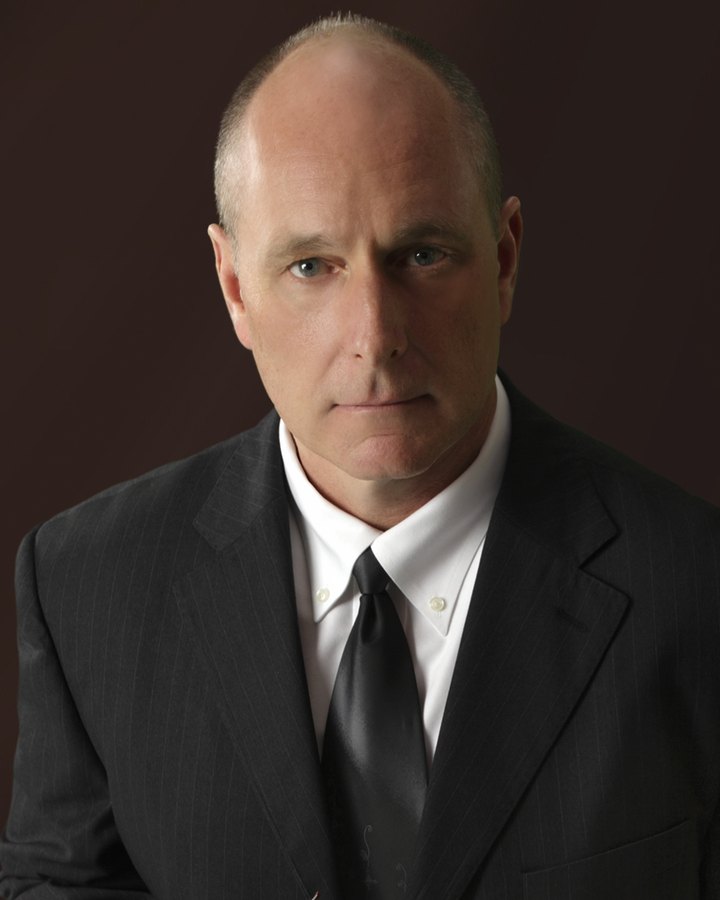 CEO & Owner
Thirty-eight years in four uniforms: street cop, soldier, professor, investigator. More than 220 matters in 42 states and D.C. since 2014.
Full biography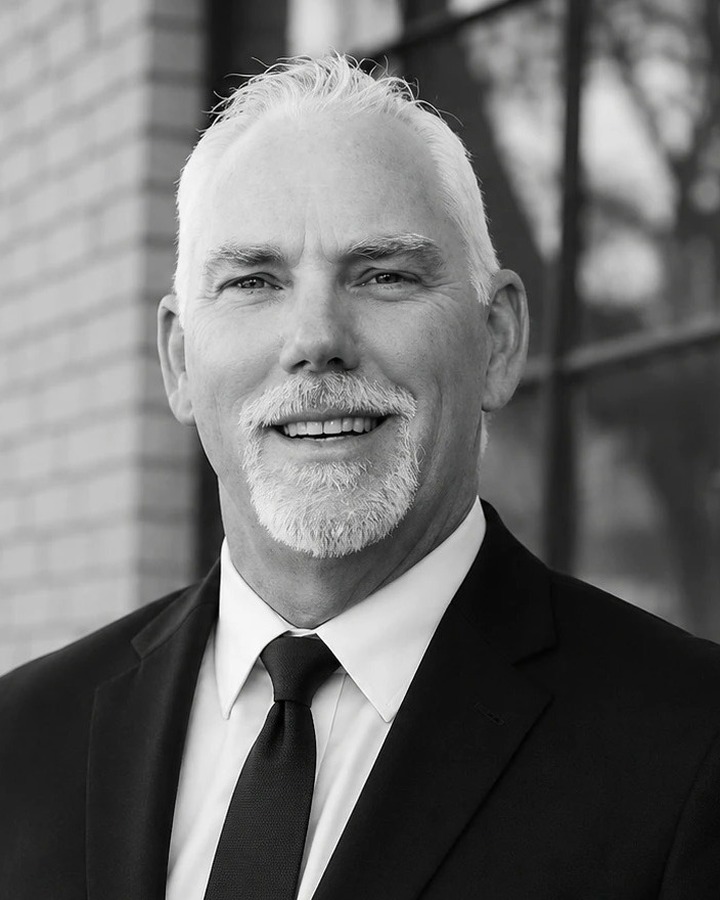 Consultant
More than thirty-five years in public safety: Sheriff of Lewis County, Washington, since his election in 2015, and six years as a commissioner of the state board that sets peace-officer training standards.
Full profile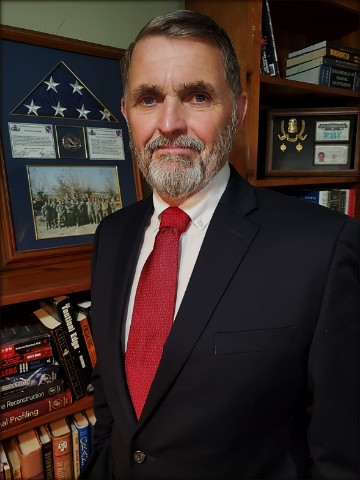 Consultant
Forty years of investigative casework, from patrolman in St. Louis County to the FBI in Chicago, and on to task forces in Afghanistan and Liberia. His work on the Idaho student murders is examined in Broken Plea, the New York Times bestseller by Christopher Whitcomb.
Full profileThe Hon. Richard A. Jones United States District Judge“Mr. Gilbertson’s qualifications demonstrate extensive experience in policing. His expansive work as a police officer in Georgia, with assignments as a SWAT team officer, juvenile court investigator, school resource officer, stakeout squad officer, senior patrolman, and patrolman; then a career as a tenured college professor and university lecturer teaching criminal justice courses to degree-seeking students at colleges and universities, and as a licensed private investigator conducting felony pretrial investigations for attorneys in Washington State in dozens of criminal cases, makes him unique in the field of police expert witnesses. The Court finds that, based on his experience, Mr. Gilbertson’s testimony can be expected to have a reliable basis in knowledge and experience of police practices.”
The facts counsel cite.
- Professor Gregory Gilbertson (Ret.): thirty-eight years across policing, the Army, the classroom, and investigative casework. Independent consultants are retained case-by-case where the record calls for a second discipline.
- Retained in more than 220 civil rights and criminal cases across 42 states and the District of Columbia; expert practice since 2014.
- Retained by plaintiff’s counsel and by the defense alike, in civil and criminal matters.
- Fees are published: a $9,000 flat fee covering discovery review and the written expert report; the full schedule is on For Retaining Counsel.
- Attorney and law-firm inquiries only; conflicts are checked before any substantive discussion. (239) 571-1840.
What the analysis covers.
Individual engagements are scoped with counsel. Go deeper: Civilian & Officer Matters · Stand-Your-Ground & Immunity · Deadly & Non-Deadly Force.
Armed self-defense
- Firearm and weapons cases
- Defensive display and discharge
- Deadly-force and non-deadly-force self-defense
- Home-defense matters
- Stand-your-ground matters
- Duty-to-retreat matters
The analysis
- Reasonable belief of imminent harm
- Necessity and proportionality of force
- Threat assessment
- Totality-of-circumstances analysis
- The same standards applied to police use of force
Case types
- Murder and attempted-murder cases involving self-defense
- Manslaughter cases
- Assault and battery cases
- Self-defense immunity hearings
- Civilian self-defense
- Police-officer self-defense
- Defense of another person
Retained by criminal defense counsel for armed citizens, and in civil matters where a defensive use of force is at issue. A police-practices background matters here: use-of-force training gives a jury a framework it can follow.
Same discipline, every case.
Conflict check and a written scope with retaining counsel before substantive discussion.
A non-refundable $9,000 flat fee covering discovery review and the written expert report.
The complete record against national standards, set out in the written report.
Deposition, hearings and trial, nationwide from RSW.
Full fee schedule and counsel FAQ: For Retaining Counsel →
An investigation that begins with its suspect already known.
When a person claims self-defense, the investigation already knows who used the force in question. What stays open is the sequence that led to it: how the encounter began, the words and gestures that passed between the parties, what the other party held or reached for, and what the scene and the nearby cameras recorded. A self-defense expert witness who addresses police practices reads how the investigation worked that open question and holds the investigators to their agency's policy and to generally accepted police practices.
The officers who arrived first, and the supervisors and detectives who followed them, made decisions the rest of the file depends on: how the scene was secured and documented, what happened to any weapon on the ground, and how the person who used force was handled. The file shows how that person was treated and when the treatment changed: detained, advised of rights, transported, interviewed, and described in the first reports as a victim, a witness or a suspect. The label alone is not the finding. The practices question is whether the investigation stayed open to justification after the suspect label attached.
Applied to a self-defense file, tunnel vision takes a particular shape: the force is treated as the offense, and the facts that bear on justification are left for someone else to find. In the file, that looks like leads opened and never worked: the witness who saw the other party advance, the object found near the other party, the camera on the house across the street. The analysis follows each such lead from the entry that opened it to the report that closed it, or to the place in the file where that report should be.
Witnesses kept apart, and an account tested in both directions.
Witnesses to a self-defense incident may be aligned with one party: the other party's companions, the defendant's family, a neighbor who knows one of them. The practices questions are whether they were identified at the scene or through the canvass, kept apart, and interviewed before they could compare accounts, because once witnesses have talked among themselves the file can no longer show whose account is whose. The file answers them: who was identified, who was separated, who left before anyone took a name, and whether each interview was recorded in full or survives only as a summary in someone else's report.
The scope of each interview is a separate question. An interview that begins with the shots records the force and loses what led to it, so the analysis looks at whether each witness was asked about the approach, the words exchanged, and what each party did first. The same review, run on any homicide or serious-felony file, belongs to the broader practice of reviewing deficient investigations, with canvass and witness failures carried further in missed witnesses and evidence.
The defendant's account is read first for how it was taken: where and when, whether it was recorded from the first question or summarized afterward, and what the person was told before it began. The analysis asks whether that account was tested against the physical record in both directions, with the details that would support it checked as carefully as the details that would contradict it. An account that describes a weapon, a threat or a line of approach names things the investigation could check, and the file shows whether anyone did.
The cameras the canvass reached, and the evidence that was kept.
In a self-defense matter, the video that shows the approach may belong to someone other than the police: a doorbell camera, a business system, a phone in a bystander's hand. Whether the canvass looked for it, when a copy was requested, who exported it and how, and whether the original was secured are practices questions the file answers or leaves open. A camera noted on a canvass sheet with no later entry is an unworked lead, and a recording an officer watched at the scene but never collected is evidence the investigation found and left behind. Placing a private recording against dispatch and body-worn camera time is the work of video and timeline reconciliation.
Physical evidence raises the same questions. The object the other party held or dropped, the defendant's firearm and the clothing both parties wore each need a documented history from the scene onward, read against accepted practice for chain of custody. Injuries to the person claiming self-defense are a documentation question in this review: whether they were photographed and recorded, with every medical question about them deferred to qualified experts.
Autopsy and forensic reports belong to the record the analysis reads, with their medical and scientific questions deferred to qualified experts in those disciplines. Where a case needs the physical sequence worked out from the scene itself, that is crime scene analysis, a separate discipline, and the referral is to FBI Special Agent Christopher Holland (Ret.). The reports written about all of this are read against one another: an early report that records what the defendant said about the other party's weapon, set beside a later narrative that drops it, is a change the analysis locates and sources.
How far the investigation analysis reaches.
The investigation analysis can matter in more than one proceeding: a pretrial immunity hearing where state law provides one, the criminal trial, and a civil suit that can follow. The hearing work is part of the practice's stand-your-ground and immunity casework, and the question of stand your ground versus self-defense, including where an immunity procedure enters it, stays with the Library.
When the person claiming self-defense is a police officer, the analysis becomes the one applied to any police use of force, and the page on civilian and officer matters marks where the two differ. In a civilian matter, the police practices measured in this part of the analysis are the investigators' own, not a standard applied to the person who used force.
Legal conclusions remain counsel's, and so does the decision to put the investigation in issue; whether that question reaches the jury is for the court. What a self-defense expert witness contributes here is an opinion on how the case was investigated. It is not proof that the force was justified. Where a homicide charge is defended on grounds other than self-defense, the lead record, the recorded interviews and the evidence trail are taken up at homicide defense. Self-defense prosecutions in Clackamas County and Multnomah County, worked for the defense, sit with the rest of the Portland-area file on the Portland and Vancouver page.
The self-defense file is a criminal file first.
The practice's table of cases lists 21 matters under the self-defense label, across 5 states, and 16 of those matters carry the homicide defense label as well, a label that covers manslaughter and attempted murder charges beside murder. A matter carries the self-defense label because its entry records self-defense as an issue in the case. The larger part of the set is prosecutions.
In a prosecution, the self-defense expert witness comes into the case through defense counsel, and the record at the center of the work is the police investigation of the incident. The homicide defense label has a page of its own, homicide defense, which takes up how the homicide case itself was run, and self-defense work is one part of criminal-defense support, which reads the police file for the defense bar charge by charge.
Where the matter is civil, the self-defense expert witness reads the same investigation record for the civil proceeding, together with what the suit adds to the record, such as deposition transcripts, and the opinion stays on police practices. Legal conclusions remain counsel's, including what a practices finding means for the claims and defenses in the suit.
What the figures count is retentions in the file, not results. Where a result has been published, it is in the case history, and that page says which results it carries.
Related casework.
Case accounts as published by retaining counsel. Outcomes depend on their facts; no result is promised for any other matter.
Working references for this practice area.
Guides for retaining counsel, written from the same record this analysis reads.
He explained use of force and self-defense in a manner the jury easily understood. His testimony was an integral factor in achieving a not guilty verdict.Michael A. Blanchard, Attorney at Law · New London, CT
Asked before the record is sent.
What does a self-defense opinion address?
Do these cases usually involve firearms?
Why does a police-practices expert help an armed citizen?
Does he testify for civilians as well as officers?
What does retention cost?
Does the opinion address what the defendant was thinking or feeling?
Does the analysis still help if the defendant never gave the police a statement?
What if the only video is from a phone or a neighbor's camera?
Can a self-defense expert witness be retained before a charge is filed?
Which agency policies should counsel send when a civilian claims self-defense?
Does the practice take self-defense matters anywhere in the country?
Send a self-defense record.
Attorney and law-firm inquiries only. Conflicts are checked before anything substantive, and you will hear about a conflict immediately.
Inquiry sent.
You will hear back directly. If the matter is urgent, call (239) 571-1840.
Conflicts are checked before any substantive discussion. Please do not send privileged material with a first inquiry; after retention the record is exchanged on physical media. Gregory consults for attorneys and their staff only, and does not provide legal advice or attorney referrals to individuals.