

Tasers, Canine &
Less-Lethal Force
Direct line: (239) 571-1840 · GregoryGilbertson@proton.me
Attorney and law-firm inquiries only
Less-lethal is a category, not a permission slip. Tasers, chemical agents, impact weapons, projectiles, and canine deployments each carry their own standards, and each leaves a record that shows whether those standards were followed.
Three experts. Over 110 years.
Professor Gregory Gilbertson (Ret.), FBI Special Agent Christopher Holland (Ret.), and Sheriff Robert Snaza consult with attorneys nationwide regarding police practices and procedures, use of force, false arrest, police misconduct, criminal, and self-defense casework.
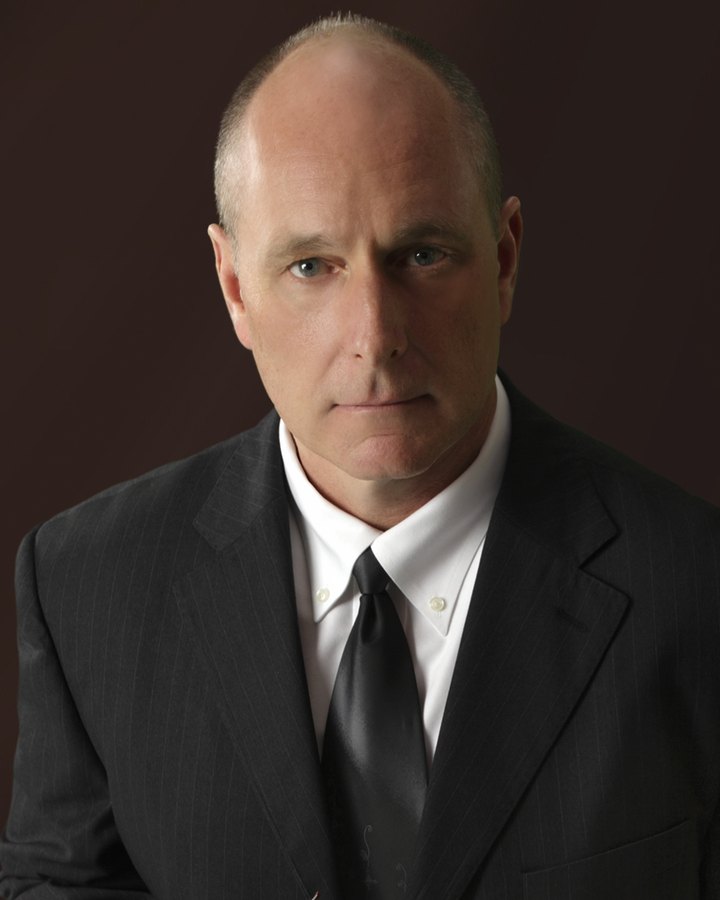 CEO & Owner
Thirty-eight years in four uniforms: street cop, soldier, professor, investigator. More than 220 matters in 42 states and D.C. since 2014.
Full biography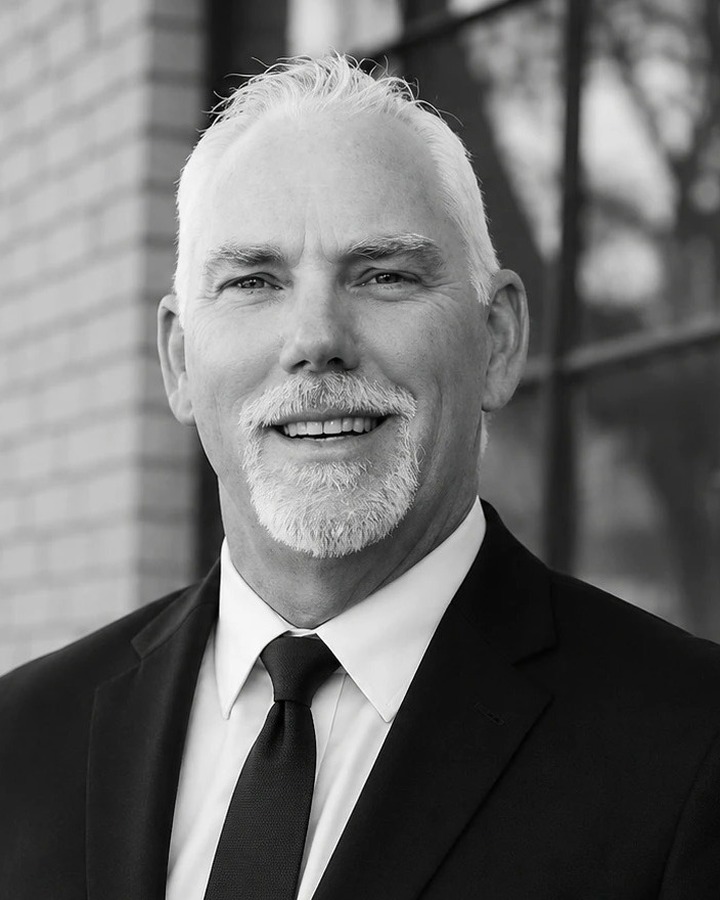 Consultant
More than thirty-five years in public safety: Sheriff of Lewis County, Washington, since his election in 2015, and six years as a commissioner of the state board that sets peace-officer training standards.
Full profile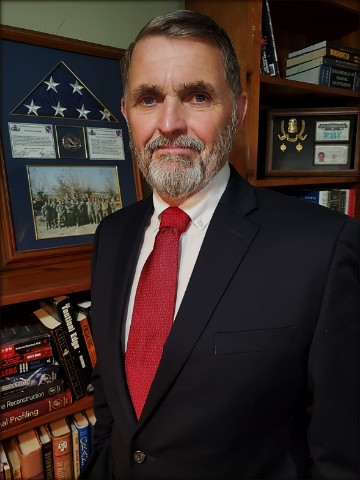 Consultant
Forty years of investigative casework, from patrolman in St. Louis County to the FBI in Chicago, and on to task forces in Afghanistan and Liberia. His work on the Idaho student murders is examined in Broken Plea, the New York Times bestseller by Christopher Whitcomb.
Full profileThe Hon. Richard A. Jones United States District Judge“Mr. Gilbertson’s qualifications demonstrate extensive experience in policing. His expansive work as a police officer in Georgia, with assignments as a SWAT team officer, juvenile court investigator, school resource officer, stakeout squad officer, senior patrolman, and patrolman; then a career as a tenured college professor and university lecturer teaching criminal justice courses to degree-seeking students at colleges and universities, and as a licensed private investigator conducting felony pretrial investigations for attorneys in Washington State in dozens of criminal cases, makes him unique in the field of police expert witnesses. The Court finds that, based on his experience, Mr. Gilbertson’s testimony can be expected to have a reliable basis in knowledge and experience of police practices.”
What this covers.
Within this engagement
- Taser and electronic-control-device force
- Pepper spray and chemical-agent force
- Baton and impact-weapon force
- Less-lethal projectile force
- Police-canine force and deployment decisions
- Proportionality, necessity and available alternatives
Device logs where produced, video, use-of-force reports, canine deployment records, training histories, and the agency's device-specific policies, measured against proportionality and necessity on the totality of the circumstances.
Engagement terms and the published fee schedule: For Retaining Counsel →
What the device logged, what the camera saw, what the officer wrote.
A less-lethal file holds several records of the same event, made by different people and systems for different purposes. The analysis reads them against each other: it identifies the records the agency's own policy called for once the tool was used, establishes which of them exist, and states where they agree with the video and the officer's account and where they part from them. Retained as a Taser expert witness, Professor Gilbertson applies that reading to the electronic control device, a tool that may keep a record of its own.
That device record is requested as the agency keeps it, not as a summary prepared after the claim, and where it is produced it is read beside the body-worn and dash video and the officer's report. These are separate accounts of the same activations: the device record carries what the device logged, the video carries what the cameras saw and heard, and the report carries what the officer says was done and why. The officer's training on the device is a further record, read as described in what training records reveal, and it shows what the officer had been taught about the device before the encounter.
The device record, the video and the report are first merged into the record chronology, and the comparison then runs entry by entry. A logged activation that no report mentions, an application the report describes that the device record does not carry, a sequence the video shows in a different order from the report: each is entered as a record finding and cited to the sources that disagree.
The finding is the difference, not an explanation of it: the finder of fact decides what to make of a divergence, and legal conclusions remain counsel's, including whether one matters to any claim or defense. The device record is never read as a statement of what the officer knew; the encounter is read whole, on what was known at the time, without hindsight. Technical questions about what a logged entry means, and medical questions about what an activation did to the person, are deferred to qualified experts in those disciplines.
The announcement, as the handler reported it and as the audio carried it.
A police canine deployment leaves its own set of records. The deployment report and the handler's narrative set out the handler's account of the warnings before the dog was released and of when the contact ended. Where that account appears in more than one document, the documents are compared with each other, and all of them are set against what the video and audio recorded and against the reports of the other officers present.
The announcement is where that comparison does its work. The handler's report may state that a warning was given; the handler's own recording, where there is one, may carry it, carry something different or carry nothing audible; another officer's recording or a witness statement may place it elsewhere in the sequence.
Whether each camera was recording at all is a separate question of body-worn camera policy. A recording that carries nothing is set against the others before anything is said about it. When a warning is absent from the handler's own recording but audible on another officer's, it is entered from that recording, and counsel defending a handler can cite the finding, the practical side of being retained by both sides. Where the sources cannot be reconciled, the conflict is stated and its resolution left to the finder of fact.
The team's training records come next. They are read against what the agency required of the handler and the dog as a team: whether the file documents that the team met that requirement as of the date of the deployment, and whether it documents training for the kind of deployment the reports describe.
Where there was a bite, the photographs, the treatment records and any injury report are read as documentation only: whether they exist, when they were made, and whether they agree with the deployment report and the recordings. What the bite did medically is deferred to qualified experts, and the practices opinion does not characterize it.
Spray, batons and projectiles, and the aftercare the policy called for.
Chemical agents, less-lethal projectiles and impact weapons are read through the force report, measured against use-of-force reporting standards, and through the aftercare records the agency's policy required. Depending on the tool and the policy, they can cover decontamination, a medical evaluation and photographs of any injury. The policy questions these tools raise are defined in the use-of-force lexicon, and the choice among them is read in terms of force options and decision models; the records answer what was done and what followed.
Each aftercare record is read for whether it exists and whether it agrees with the video and the report. Decontamination the report places at the scene is looked for in the recording of the minutes that followed, or in paperwork that puts it somewhere else. A medical evaluation the report says was requested is looked for in the dispatch record and the booking paperwork. Photographs are read for when they were taken and whether they match the report's account of the force, and any medical reading of them belongs to qualified experts.
Some aftercare records come from other hands. Where a medical provider, a supervisor or the staff who booked the person made the entry, it is a separate record of what followed the force, made for its own purpose, and the report is read against it as against any other source.
A Taser expert witness on police practices reads how each tool was used and the records it left. Where aid itself is disputed, the questions move to failure to intervene and render aid, and where the person was in crisis, that side of the encounter is treated at mental-health and crisis encounters.
Working references for this practice area.
Guides for retaining counsel, written from the same record this analysis reads.
Before the record is sent.
Do less-lethal cases really turn on policy?
What does retention cost?
What if the agency did not produce the device record?
When a canine deployment ends without a bite, what does the file hold?
Who addresses the medical effects of a device?
Send a less-lethal record.
Attorney and law-firm inquiries only. Conflicts are checked before anything substantive, and you will hear about a conflict immediately.
Inquiry sent.
You will hear back directly. If the matter is urgent, call (239) 571-1840.
Conflicts are checked before any substantive discussion. Please do not send privileged material with a first inquiry; after retention the record is exchanged on physical media. Gregory consults for attorneys and their staff only, and does not provide legal advice or attorney referrals to individuals.