

Officer-Involved
Shootings
Direct line: (239) 571-1840 · GregoryGilbertson@proton.me
Attorney and law-firm inquiries only
A police shooting is litigated for years on a record that begins well before the first shot. The analysis reads that record from the approach through the aftermath: what the officer knew, the options that remained, and whether the use of deadly force was consistent with national standards and the agency's own policy and training.
Three experts. Over 110 years.
Professor Gregory Gilbertson (Ret.), FBI Special Agent Christopher Holland (Ret.), and Sheriff Robert Snaza consult with attorneys nationwide regarding police practices and procedures, use of force, false arrest, police misconduct, criminal, and self-defense casework.
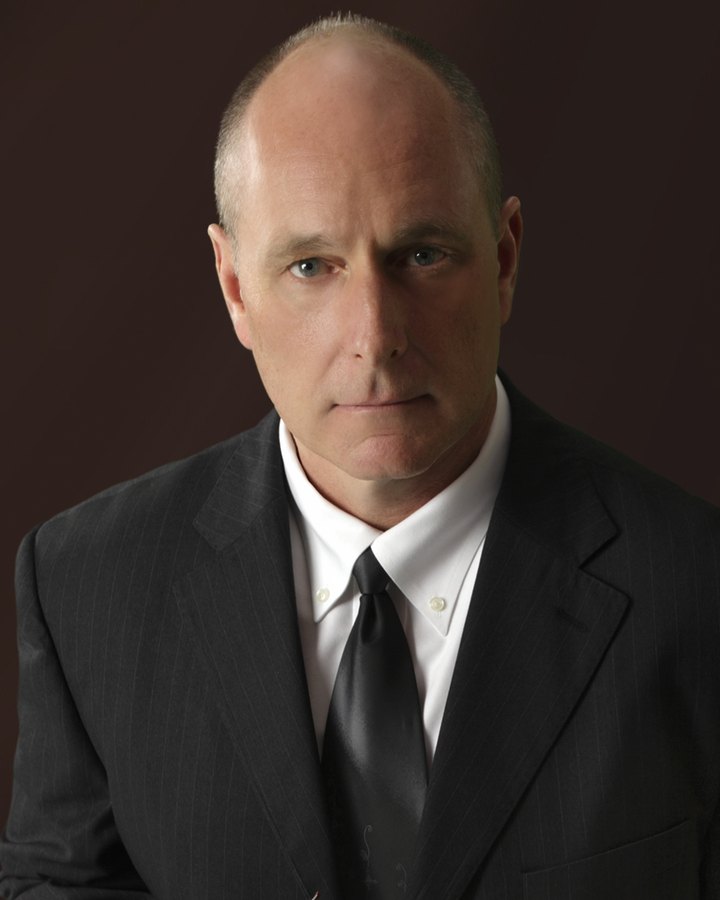 CEO & Owner
Thirty-eight years in four uniforms: street cop, soldier, professor, investigator. More than 220 matters in 42 states and D.C. since 2014.
Full biography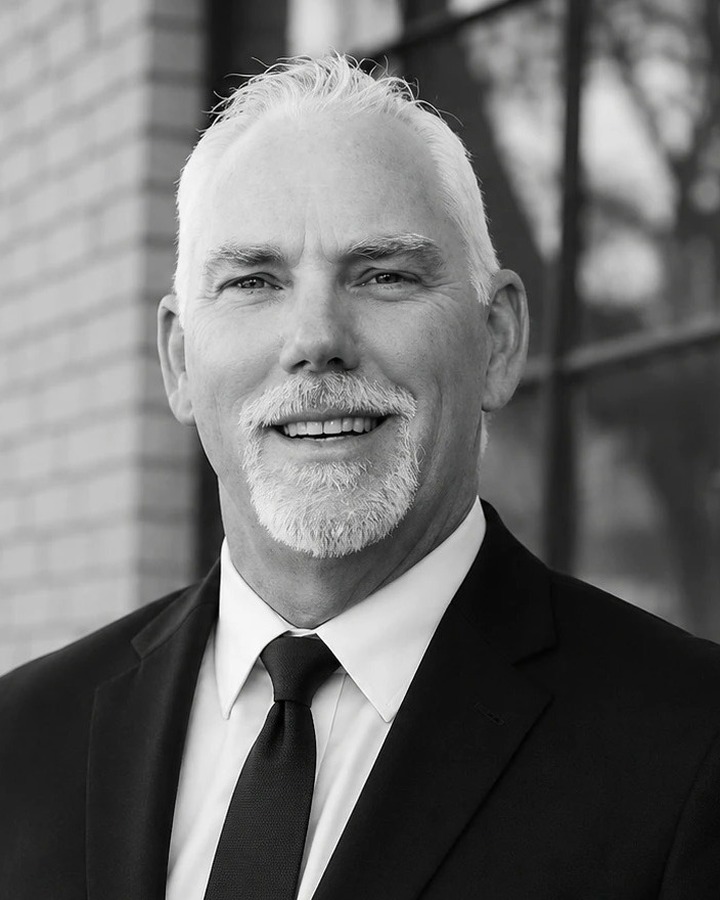 Consultant
More than thirty-five years in public safety: Sheriff of Lewis County, Washington, since his election in 2015, and six years as a commissioner of the state board that sets peace-officer training standards.
Full profile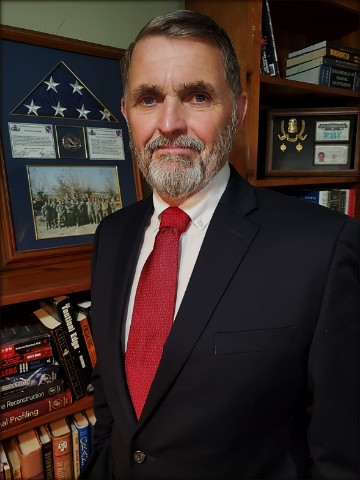 Consultant
Forty years of investigative casework, from patrolman in St. Louis County to the FBI in Chicago, and on to task forces in Afghanistan and Liberia. His work on the Idaho student murders is examined in Broken Plea, the New York Times bestseller by Christopher Whitcomb.
Full profileThe Hon. Richard A. Jones United States District Judge“Mr. Gilbertson’s qualifications demonstrate extensive experience in policing. His expansive work as a police officer in Georgia, with assignments as a SWAT team officer, juvenile court investigator, school resource officer, stakeout squad officer, senior patrolman, and patrolman; then a career as a tenured college professor and university lecturer teaching criminal justice courses to degree-seeking students at colleges and universities, and as a licensed private investigator conducting felony pretrial investigations for attorneys in Washington State in dozens of criminal cases, makes him unique in the field of police expert witnesses. The Court finds that, based on his experience, Mr. Gilbertson’s testimony can be expected to have a reliable basis in knowledge and experience of police practices.”
What this covers.
Within this engagement
- Police shootings and deadly-force analysis
- Wrongful-death cases involving police force
- Shooting at or from moving vehicles
- Immediate-threat assessment and severity-of-crime analysis
- Objective reasonableness under Graham v. Connor
- Use-of-force reporting and administrative review of the shooting
Body-worn and dash-camera video, 911 and CAD records, use-of-force reports, witness statements, the involved officer's training and disciplinary history, and agency deadly-force policy, reviewed frame by frame on the totality of the circumstances.
Engagement terms and the published fee schedule: For Retaining Counsel →
The shots are the smallest part of a shooting record.
A police shooting record runs in three spans, and only the middle one holds the shots. Before it sit the decisions that shaped the encounter; after it sit aid, the investigation and the officers' accounts.
The first span is the approach. It holds the decision to approach at all, where the officer stood in relation to cover, a doorway or a vehicle, whether distance was closed or kept, whether and when the officer drew a firearm, and whether a supervisor was directing the approach or learned of it afterward. Each of those decisions is read on what the officer knew when it was made, from dispatch onward and without hindsight, against what the agency's policy said about that kind of approach and what the training file shows was taught.
A supervisor who directed the approach is read the same way, against what the policy assigned to a supervisor on scene. Where the officer knew beforehand that the person being approached was in crisis, the approach is also a question for mental-health and crisis encounters.
The same span shows which choices were still open to the officer as the encounter developed, and whether the approach itself had narrowed them. Whether the officer's training called for slowing an approach or holding a position is answered from the training file, and the Library's guide to what de-escalation standards require explains the doctrine behind that question. For counsel defending the officer, this span matters in the same way: an approach the policy permitted and positioning consistent with training are findings just as a departure is, and the Library covers what being retained by both sides requires of a report.
How the law treats decisions made before a shooting is not a practices question, and legal conclusions remain counsel's. For an officer-involved shooting expert witness, the reason to read the approach is narrower: it is in the record, and where the agency's policy or the officer's training addressed it, the conduct can be measured against what was required. Where neither did, the measure is generally accepted police practices. The record a use of force expert witness reads in any force case, from the policy in force that day to the review that followed, is laid out stage by stage on its own page.
The middle span holds the decision to fire and its reasons.
The second span is the decision to fire, as the reports and statements describe it and any recordings show it. Each reason the officer gave for firing is set beside the deadly-force policy the agency had adopted when the shooting occurred, the officer's firearms qualification records and weapons training, and generally accepted police practices. The analysis states where the described conduct followed them and where it departed. A departure is a practices finding: it is not itself a constitutional violation, and it does not establish liability.
Whether the officer's training called for reassessing as the situation changed, and whether the record shows the officer doing so, are read from the training file and the rest of the record. National training teaches continuous reassessment as part of force options and decision models.
Where a vehicle was involved, the agency's own text adds questions: what its policy said about shooting at or from a moving vehicle, whether the officer had been trained on that provision, and whether the officer's position in relation to the vehicle was one the training addressed. The legal rule, and how agency policy relates to it, are set out in the Library's guide to the deadly-force standard.
The analysis does not count shots, time the intervals between them or measure distances from recordings or the scene. Those measurements are deferred to qualified experts in the disciplines that make them.
The third span begins with the last shot.
Three questions follow the last shot, and each is taken up in full elsewhere: whether aid was summoned and rendered as the agency's policy required, at failure to intervene and render aid; how the shooting was investigated, in the officer-involved shooting investigation protocol guide; and when and how the officers' accounts were taken, at officer statements after a use of force. The last two of those reach back into the first two spans. The investigation is meant to preserve recordings and identify witnesses, and the accounts taken after a shooting are one of the sources for what the officer knew during the approach and when the decision to fire was made.
The aftermath also holds the agency's own review of the shooting. Its file answers whether that review reached the approach as well as the decision to fire, and what it found about each. How those reviews are convened and what their records show is described at force review boards.
An officer-involved shooting expert witness does not answer the scientific and medical questions a shooting file raises: shot trajectories, wound paths, firearm function and the medical cause of death are deferred to qualified experts in those disciplines, as are human factors questions. Where one of their findings bears on a practices question, the report attributes it to the expert who made it and does not adopt it as its own. When a shooting ends in a death, the wrongful death claim that follows is taken up in police wrongful death cases.
Related casework.
The Che Taylor Matter · City of Seattle
Retained December 2019
Report identified substandard practices; counsel credits a $1.5 million settlement.
Jury verdictEstate of Alfontish Cockerham v. City of Chicago
Circuit Court of Cook County, Illinois
Police practices and use of force expert in a videotaped officer-involved shooting; $1.18 million jury judgment per retaining counsel.
Case accounts as published by retaining counsel. No result is promised for any other matter.
Working references for this practice area.
Guides for retaining counsel, written from the same record this analysis reads.
“His insights, analysis, reports, and trial testimony are always persuasive.”James Bible, Attorney at Law · Seattle, WA
Before the record is sent.
What makes a police-shooting opinion hold up?
What does retention cost?
Does the analysis cover shots fired by more than one officer?
What does the analysis say about officers who were present but did not fire?
What changes when a shooting happens during a SWAT or warrant operation?
Send a shooting record.
Attorney and law-firm inquiries only. Conflicts are checked before anything substantive, and you will hear about a conflict immediately.
Inquiry sent.
You will hear back directly. If the matter is urgent, call (239) 571-1840.
Conflicts are checked before any substantive discussion. Please do not send privileged material with a first inquiry; after retention the record is exchanged on physical media. Gregory consults for attorneys and their staff only, and does not provide legal advice or attorney referrals to individuals.