

Professor Gregory Gilbertson (Ret.)
Direct line: (239) 571-1840 · GregoryGilbertson@proton.me
Attorney and law-firm inquiries only
Police practices expert witness, retained by plaintiff and defense counsel nationwide since 2014. Thirty-eight years in four uniforms: street cop, soldier, professor, investigator.
Three experts. Over 110 years.
Professor Gregory Gilbertson (Ret.), FBI Special Agent Christopher Holland (Ret.), and Sheriff Robert Snaza consult with attorneys nationwide regarding police practices and procedures, use of force, false arrest, police misconduct, criminal, and self-defense casework.
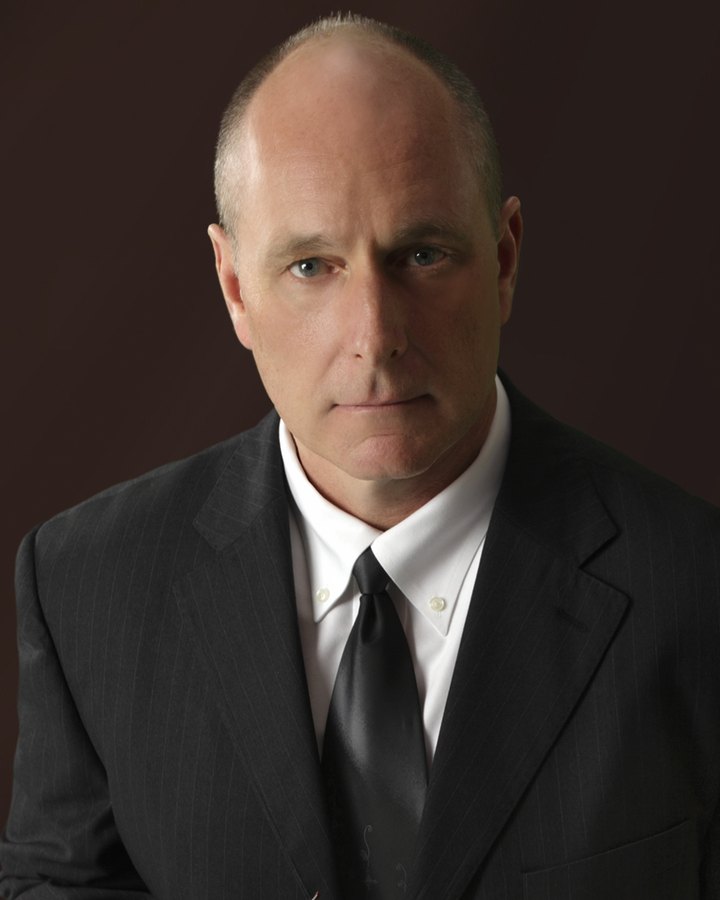 CEO & Owner
Thirty-eight years in four uniforms: street cop, soldier, professor, investigator. More than 220 matters in 42 states and D.C. since 2014.
Full biography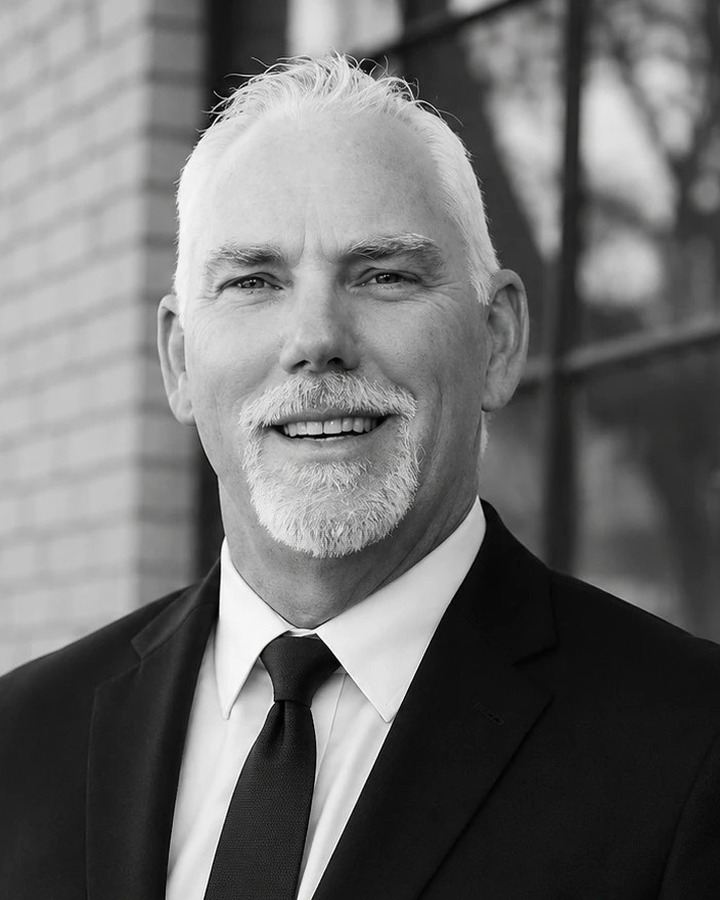 Consultant
More than thirty-five years in public safety: Sheriff of Lewis County, Washington, since his election in 2015, and six years as a commissioner of the state board that sets peace-officer training standards.
Full profile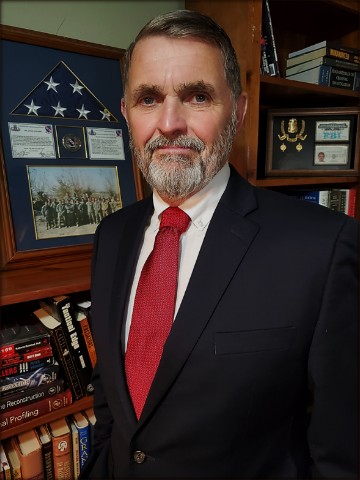 Consultant
Forty years of investigative casework, from patrolman in St. Louis County to the FBI in Chicago, and on to task forces in Afghanistan and Liberia. His work on the Idaho student murders is examined in Broken Plea, the New York Times bestseller by Christopher Whitcomb.
Full profileThe Hon. Richard A. Jones United States District Judge“Mr. Gilbertson’s qualifications demonstrate extensive experience in policing. His expansive work as a police officer in Georgia, with assignments as a SWAT team officer, juvenile court investigator, school resource officer, stakeout squad officer, senior patrolman, and patrolman; then a career as a tenured college professor and university lecturer teaching criminal justice courses to degree-seeking students at colleges and universities, and as a licensed private investigator conducting felony pretrial investigations for attorneys in Washington State in dozens of criminal cases, makes him unique in the field of police expert witnesses. The Court finds that, based on his experience, Mr. Gilbertson’s testimony can be expected to have a reliable basis in knowledge and experience of police practices.”
Gregory Gilbertson is retained by counsel to analyze police practices.
Gregory Gilbertson is a police practices expert witness. Retaining counsel engages him to review the complete record of a police encounter, measure what officers did against national police standards and practices, agency policy, the officers' own training, and state and federal statute and case law, and to state an opinion in a written report and under oath.
He is CEO and owner of Gilbertson Investigations Inc., a nationwide practice based in Naples, Florida. For matters that call for a second discipline, he retains independent consultants case-by-case, Sheriff Robert Snaza and FBI Special Agent Christopher Holland (Ret.), each reviewing the record independently within his own discipline.
He consults for attorneys and their staff. He is not an attorney. He offers no legal advice and no attorney referrals to individuals, and he does not evaluate matters for members of the public, for claimants, or for officers seeking representation. Legal conclusions remain counsel's; the expert addresses police practices. No guarantee is made regarding the outcome of any civil or criminal case, and retaining counsel is responsible for the admissibility of reports and testimony.
Career summary, most recent first
- Expert Witness in Police Practices & Procedures (12 years - over 220 cases)
- Tenured Criminal Justice Professor & University Lecturer (25 years)
- Licensed Private Investigator (20 years)
- International Police Trainer and Mentor - Iraq & Afghanistan (2 years)
- School District Security Officer (3 years)
- Guardian Ad Litem, Pierce County Family Court (2.5 years)
- City of LaGrange, Georgia Police Officer (5.5 years)
- LaGrange SWAT Team Member (4 years)
- LaGrange School Resource Officer/Juvenile Court Investigator (2 years)
- City of Atlanta Police Officer (2.5 years)
- Enlisted Soldier, Non-commissioned Officer, Commissioned Infantry Officer (5 years)
- Distinguished Military Graduate, U.S. Army Officer Candidate School
The degrees and the Army commission.
Professor Gilbertson holds a B.A. in History from the University of Washington and an M.S. in Justice Administration from Columbus State University.
He was a Distinguished Military Graduate of the United States Army Officer Candidate School at Fort Benning. He served in the Army as an infantry soldier and as a commissioned officer.
The career is described in four uniforms across thirty-eight years: street cop, soldier, professor, investigator. The Army uniform came first.
Eight years in Georgia policing, across two agencies.
Professor Gilbertson served eight years as a police officer in Georgia. He was an officer with the Atlanta Police Department, Zone 3 Precinct, and with the LaGrange Police Department.
His assignments were SWAT team member, senior patrolman, school resource officer, juvenile court investigator, and stakeout squad officer.
Tactical operations, routine patrol, a school assignment, juvenile court investigation, and stakeout work are different disciplines, each with its own training and its own accepted practice. An expert who has held those posts can speak to what the training required and what the practice looked like on the street. How the police record in a juvenile case is read, from the first contact to the written statement, is set out under juvenile defense. His work with parents and attorneys in cases of abuse by teachers, coaches and staff, which draws on his service as a school resource officer, a school district security officer and a Guardian ad Litem, is set out under school sexual abuse cases.
The court's ruling in Alvarez v. King County, No. C16-0721RAJ (W.D. Wash. 2017), addressed a motion to exclude his testimony and recited his Georgia assignments. The opinion Judge Richard A. Jones entered on that motion is quoted in full on the homepage the court's ruling in Alvarez v. King County.
Twenty-five years teaching the standards officers are trained to meet.
Professor Gilbertson spent twenty-five years in the classroom and retired in 2022. He taught two and a half years at Saint Martin's University, then twenty-two and a half years as a tenured professor of criminal justice at Centralia College, seventeen of them served concurrently as a senior lecturer at Saint Martin's and Brandman University.
The subject was criminal justice. He taught the same standards officers are trained to meet.
The teaching ran beside the Washington casework described below rather than after it.
The classroom also shaped the testimony. He speaks to jurors the way he spoke to students for twenty-five years, in plain spoken language.
Twenty years of investigative casework in Washington State, 2002 to 2022.
From 2002 to 2022, Professor Gilbertson was a licensed private investigator in Washington State. That is twenty years, twelve of them specialized in criminal defense casework: interviewing civilian and police witnesses, reviewing case files, gathering evidence, and critiquing witness statements. He also served two years as a Guardian ad Litem.
That license is stated here as history. It closed in 2022. The practice described on this page is a consulting, report and testimony practice.
Washington holds the deepest state file in the practice, and the Washington record is published on its own page (the Washington record). The two Guardian ad Litem years were served for the Pierce County Superior Court in Tacoma, and the county's casework has its own page as well, Tacoma and Pierce County casework.
Twenty-five months building police training in two war zones.
In 2005 Professor Gilbertson served in Iraq as a curriculum development specialist for the Baghdad Police College. Upon completion of developing the curriculum for a bachelor's degree in democratic policing, he was reassigned as deputy director of the United Kingdom's Basrah police academy during a time of active war.
From 2008 to 2009 he served in Afghanistan as a policy developer for the Ministry of Interior and the Afghan National Police, while serving concurrently as mentor and NATO liaison to the commander of the Afghan National Police Academy, with 2,500 cadets and 500 faculty and staff on a 65-acre walled compound.
Professor Gilbertson served twenty-five months in two active war zones as an international police trainer and advisor.
Developing a police college curriculum and serving as deputy director of a police academy require a working command of what police training is supposed to contain and how a policy becomes a practice. That is the same question a failure-to-train claim puts to an expert (failure to train and Monell).
The expert practice, from 2014 forward.
The expert practice dates to 2014. Since then Professor Gilbertson has been retained in more than 220 civil rights and criminal matters across 42 states and the District of Columbia.
He is retained by both sides. Retentions come from plaintiff's counsel in civil rights matters, from the criminal defense bar, and from counsel defending officers and agencies, including officers accused of deadly excessive force and former officers facing criminal and civil rights charges arising from the performance of their duties. The analysis and the opinions do not change with the party who retains him. The same national standards, the same complete record, the same method apply either way, and where the evidence shows an officer acted within accepted police practices, the report says so (retained by both sides).
The casework runs across these areas: use of force (use of force), false arrest, detention, search and seizure (false arrest and search), police misconduct (police misconduct), failure to train, supervision and Monell support (failure to train and Monell), deficient police investigations (deficient investigations), self-defense (self-defense), criminal-defense police-practices support (criminal-defense support), and police-liability training for agencies (agency training).
Selected matters with recorded outcomes are published (the case history), and the Washington selection is published on its own page (the Washington record). The Naples base and admission in the state courts of Florida are set out on the Florida page (the Florida page).
The courts that have admitted the testimony, named.
Testimony has been admitted in the state courts of Washington, Oregon, Kansas, Connecticut, Florida and Illinois, and in the U.S. District Courts for the Western District of Washington, the District of Arizona, and the Western District of Louisiana.
The court's ruling in Alvarez v. King County addressed a motion to exclude his testimony in the United States District Court for the Western District of Washington, and the opinion entered on that motion is quoted in full on the homepage the court's ruling in Alvarez v. King County. Counsel working a Rule 702 or Daubert v. Merrell Dow Pharmaceuticals, Inc., 509 U.S. 579 (1993), posture will find the standard treated separately (Daubert and Rule 702).
Retention has occurred in 42 states and the District of Columbia. Admission is a court-by-court fact, and the courts named above are the ones this practice publishes (how many matters, and where).
The CV and the full case list go to retaining counsel.
The complete CV goes to retaining counsel on request. The full case list and testimony record go to retaining counsel on request as well. What is published is a selection with recorded outcomes, not the complete casework record: the selected results (the case history) and the Washington selection (the Washington record).
The vetting questions counsel put to any expert, the CV and the full case list, the retention mix, and the fees in writing, are answered for retaining counsel on the engagement page (For Counsel).
Requests for the CV go through the CV request form on this site, or to the direct line or the direct email below. The full fee schedule is published at For Counsel. Send nothing privileged with such a request. Counsel weighing any police practices expert can work through the questions, one document at a time, under vetting a police practices expert.
Announcements from the firm, and its official YouTube, Rumble, Reddit and Facebook channels, are listed under news and announcements.
Every engagement begins with a conflict check.
Professor Gilbertson answers attorney inquiries directly. The direct line is (239) 571-1840. The direct email is GregoryGilbertson@proton.me. The practice is based in Naples, Florida, and is retained nationwide.
Every engagement begins with a conflict check, and it happens before any substantive discussion. If a matter presents a conflict, counsel hears it immediately (what happens in a conflict check). Send nothing privileged with a first inquiry. What is useful at first contact is set out for counsel (what to send with a first inquiry).
Retention is a non-refundable $9,000 flat fee covering discovery review and the written expert report. The full published fee schedule, including depositions, trial and travel, travel expenses and report timing, is set out at For Counsel.
After retention the record travels on physical media, a computer flash drive or an external hard drive by mail or courier. Dropbox and similar online sharing services are not used. Work begins once the discovery file has arrived (the discovery file counsel assembles).
Asked before the record is sent.
Who is Professor Gregory Gilbertson?
Was Gregory Gilbertson a police officer, and where?
In which courts has Professor Gilbertson's testimony been admitted?
Does Professor Gilbertson work for plaintiffs or for the defense?
How does counsel obtain Professor Gilbertson's CV and case list?
What does retaining Professor Gilbertson cost?
Put the record in front of him.
Attorney inquiries are answered directly. If a case presents a conflict, you will hear it immediately.
Inquiry sent.
You will hear back directly. If the matter is urgent, call (239) 571-1840.
Conflicts are checked before any substantive discussion. Please do not send privileged material with a first inquiry; after retention the record is exchanged on physical media. Gregory consults for attorneys and their staff only, and does not provide legal advice or attorney referrals to individuals.