What a photo lineup is,
and what the file must show.
Direct line: (239) 571-1840 · GregoryGilbertson@proton.me
Attorney and law-firm inquiries only
A photo lineup is an identification procedure, and like every other police procedure it is judged by how it was administered and by what it left behind. The array itself is only part of the record. The instructions, the administrator and what the witness said at the time are the rest of it.
Three experts. Over 110 years.
Professor Gregory Gilbertson (Ret.), FBI Special Agent Christopher Holland (Ret.), and Sheriff Robert Snaza consult with attorneys nationwide regarding police practices and procedures, use of force, false arrest, police misconduct, criminal, and self-defense casework.
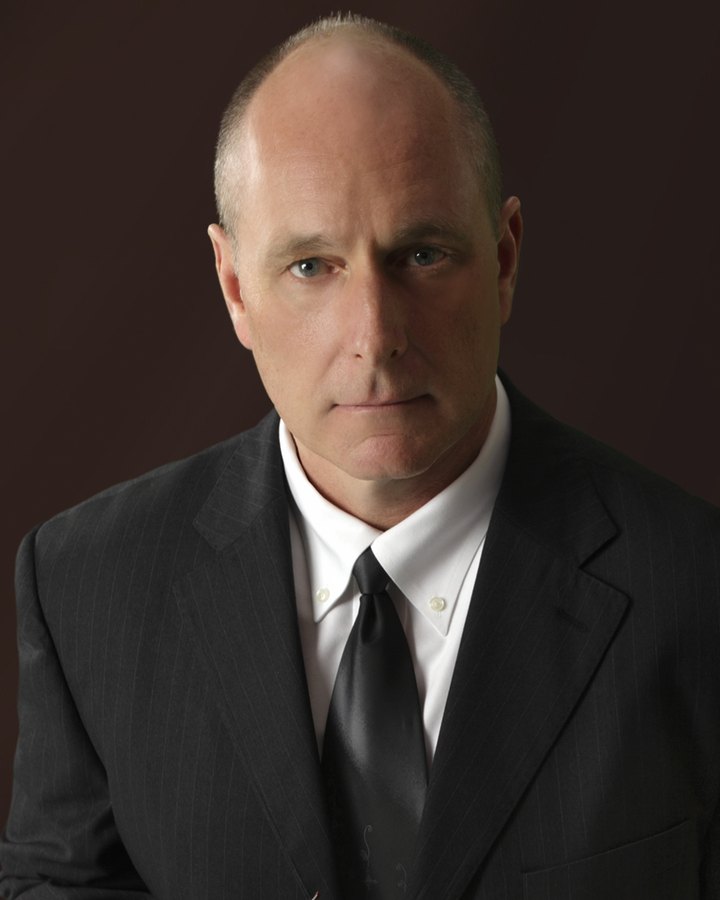 CEO & Owner
Thirty-eight years in four uniforms: street cop, soldier, professor, investigator. More than 220 matters in 42 states and D.C. since 2014.
Full biography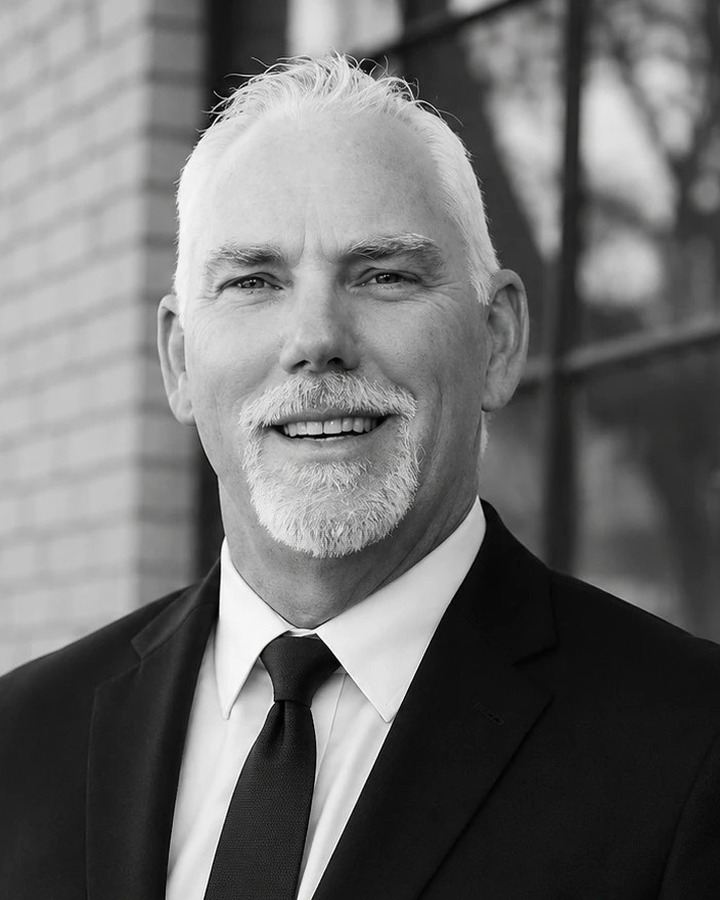 Consultant
More than thirty-five years in public safety: Sheriff of Lewis County, Washington, since his election in 2015, and six years as a commissioner of the state board that sets peace-officer training standards.
Full profile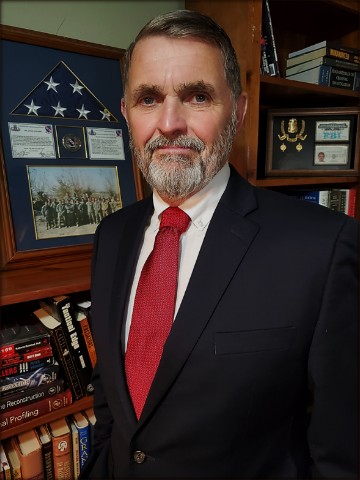 Consultant
Forty years of investigative casework, from patrolman in St. Louis County to the FBI in Chicago, and on to task forces in Afghanistan and Liberia. His work on the Idaho student murders is examined in Broken Plea, the New York Times bestseller by Christopher Whitcomb.
Full profileThe Hon. Richard A. Jones United States District Judge“Mr. Gilbertson’s qualifications demonstrate extensive experience in policing. His expansive work as a police officer in Georgia, with assignments as a SWAT team officer, juvenile court investigator, school resource officer, stakeout squad officer, senior patrolman, and patrolman; then a career as a tenured college professor and university lecturer teaching criminal justice courses to degree-seeking students at colleges and universities, and as a licensed private investigator conducting felony pretrial investigations for attorneys in Washington State in dozens of criminal cases, makes him unique in the field of police expert witnesses. The Court finds that, based on his experience, Mr. Gilbertson’s testimony can be expected to have a reliable basis in knowledge and experience of police practices.”
Photo array, live lineup and show-up.
Three identification procedures account for most of the work. A photo array presents the witness with a set of photographs, one of them the suspect and the rest fillers. A live lineup does the same with people, and requires custody of the suspect and enough participants for the presentation to be fair. A show-up presents a single person to a witness, usually near the scene and soon after the report.
The choice among them is driven by circumstance. A show-up is a field procedure, used when a person matching the description is detained close in time and place to the offense, and it carries a built-in risk of suggestion that policies are written to control: there is one person, and the police brought the witness to look at him. Many agencies write instruction, transport and documentation requirements around it for that reason rather than treating it as an ordinary array.
A photo array is the procedure most often available, because it does not require the suspect to be in custody, and it is the one most often examined afterward, because it leaves the most paper. Practice varies between agencies. The analysis reads each procedure against the agency’s own policy first, then against the national standards, model policies and training curricula that describe generally accepted practice; the working vocabulary is collected in the investigations lexicon.
What a sound photo array procedure looks like.
The practices generally accepted for a photo array are not complicated, and each one leaves a record behind when it is actually followed.
What the procedure is expected to include.
- Fillers selected so the suspect does not stand out: fillers selected so the suspect does not stand out, generally fitting the description the witness gave
- An administrator who does not know which photograph is the suspect, or a method that prevents the administrator from knowing which one the witness is viewing
- Instructions given to the witness before viewing, including that the person may or may not be present
- A statement of confidence taken in the witness’s own words at the moment of any identification, before any feedback
- Documentation of the array itself: the photographs used, the order shown, and who administered it
- Documentation of the outcome, including a non-identification or a tentative one, in the same detail as a positive result
The administrator and the confidence statement do most of the work. An administrator who does not know the answer cannot signal it, deliberately or otherwise, and the method that keeps him from knowing is what makes the identification testable later. The confidence statement taken at the moment matters because it is the only version that can later be compared against what the witness says at a hearing or at trial. Why a witness’s confidence may change afterward is not this analysis’s question.
An identification is only as testable as its documentation. Where the file records the array, the instructions and the witness’s own words at the time, the procedure can be examined. Where it does not, nobody can.
The reliability of an eyewitness identification, and what memory does between an event and a viewing, is the subject of a separate discipline. Questions of that kind belong to qualified experts in psychology and eyewitness research, and they are deferred to on the record. The police practices analysis addresses what the agency did: which procedure was used, how it was administered, and what was documented. Whether a procedure was unduly suggestive as a matter of law is a legal conclusion, and that stays with counsel.
How a deficient procedure reads in review.
In a deficient-investigation review the identification procedure is rarely examined alone. It is read next to the rest of the file, because the commitment that produces a suggestive array tends to leave other marks nearby. That pattern is the subject of tunnel vision; the array is simply where it is easiest to see, because the procedure has to be assembled, administered and documented in a single sitting, and each of those leaves paper.
The record request follows the procedure. Counsel should have the array as the witness saw it, the instruction form or the recording of the instructions, the administrator’s identity and role in the investigation, the witness’s contemporaneous words, the report describing the session, and the agency’s policy in force on the date. A procedure conducted well produces all of it. A procedure conducted badly often produces a single line in a supplemental report.
Neither result is the default. Where the file shows fillers selected so nobody stood out, an administrator who could not signal, instructions given and a confidence statement taken, the report says so, and that is a substantial finding for the prosecution or for counsel defending an agency; it is the same finding a wrongful conviction review tests for from the other side of the file. Where the file shows none of it, the deficiency is stated as a practices matter, item by item, against the policy in force on the date. An identification that cannot be examined is not thereby wrong; it is unexaminable, and that is what the report says.
When the question becomes a retention.
This page is reference. When a live matter needs the analysis, these are the doors.
Asked alongside this one.
What is a photo lineup, and how does it differ from a show-up?
Does a non-identification have to be documented?
Does the analysis address whether an eyewitness identification was reliable?
Bring the matter behind the question.
Attorney inquiries are answered directly. If a case presents a conflict, you will hear it immediately.
Inquiry sent.
You will hear back directly. If the matter is urgent, call (239) 571-1840.
Conflicts are checked before any substantive discussion. Please do not send privileged material with a first inquiry; after retention the record is exchanged on physical media. Gregory consults for attorneys and their staff only, and does not provide legal advice or attorney referrals to individuals.