

What a police practices expert
actually does.
Direct line: (239) 571-1840 · GregoryGilbertson@proton.me
Attorney and law-firm inquiries only
The discipline is narrow on purpose: measure what officers did, as the record shows it, against what generally accepted police practices required. This page defines that work, lists the deliverables counsel can retain, and draws the boundaries that keep an opinion credible under cross-examination.
Three experts. Over 110 years.
Professor Gregory Gilbertson (Ret.), FBI Special Agent Christopher Holland (Ret.), and Sheriff Robert Snaza consult with attorneys nationwide regarding police practices and procedures, use of force, false arrest, police misconduct, criminal, and self-defense casework.
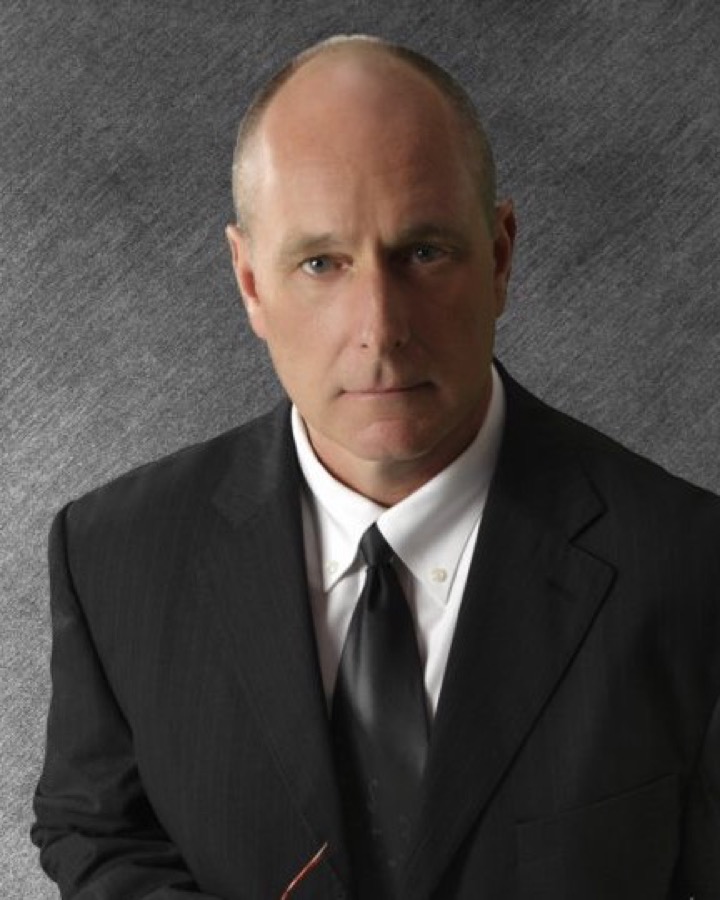 CEO & Owner
Thirty-eight years in four uniforms: street cop, soldier, professor, investigator. More than 220 matters in 42 states and D.C. since 2014, with testimony that has not been excluded at trial in any state or federal court.
Full biography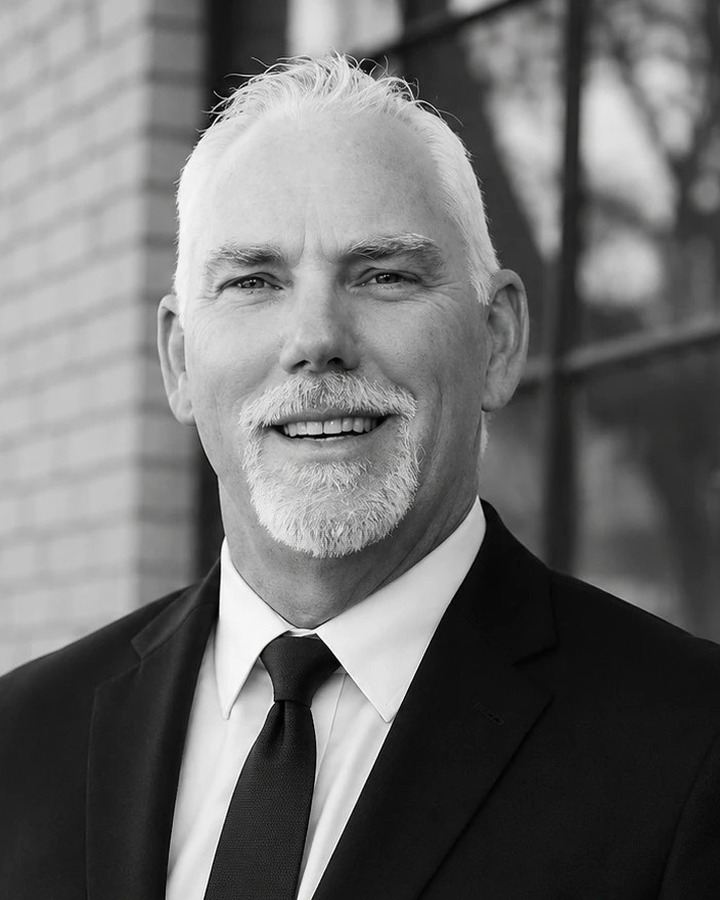 Consultant
More than thirty-five years in public safety: twelve years and three terms as the elected Sheriff of Lewis County, Washington, and six years a commissioner of the state board that sets peace-officer training standards.
Full profile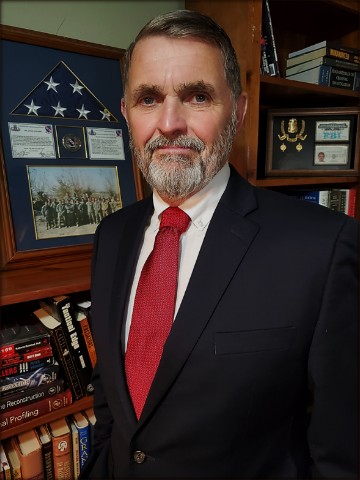 Consultant
Forty years of investigative casework, from patrolman in St. Louis County to the FBI in Chicago, and on to task forces in Afghanistan and Liberia. His work on the Idaho student murders is examined in Broken Plea, the New York Times bestseller by Christopher Whitcomb.
Full profileNever excluded. Professor Gilbertson’s testimony has not been excluded at trial in any state or federal court.
The Hon. Richard A. Jones United States District Judge“Mr. Gilbertson’s qualifications demonstrate extensive experience in policing. His expansive work as a police officer in Georgia, with assignments as a SWAT team officer, juvenile court investigator, school resource officer, stakeout squad officer, senior patrolman, and patrolman; then a career as a tenured college professor and university lecturer teaching criminal justice courses to degree-seeking students at colleges and universities, and as a licensed private investigator conducting felony pretrial investigations for attorneys in Washington State in dozens of criminal cases, makes him unique in the field of police expert witnesses. The Court finds that, based on his experience, Mr. Gilbertson’s testimony can be expected to have a reliable basis in knowledge and experience of police practices.”
Measuring the record against the standards.
A police practices expert answers one family of questions: did the police conduct documented in this record follow national standards, the agency’s own policy, the officers’ training, and generally accepted police practices? The raw material is the record counsel assembles: video, incident and investigation reports, witness statements, depositions, training files and agency policy. The yardstick is external to the case: what accepted practice required of an officer in that situation, judged on the totality of the facts and circumstances.
The standards are not the expert’s private preferences. Generally accepted police practices are informed by the national bodies and materials agencies themselves rely on: IACP model policies, PERF guidance, CALEA accreditation standards, state POST commissions, and the curricula of agency academies, field training programs and in-service instruction. An opinion grounded there can be checked against something outside the expert’s own experience, which is precisely what makes it useful to counsel and durable in front of a jury.
Use-of-force questions are governed by Graham v. Connor, 490 U.S. 386 (1989), and the analysis holds to that discipline: objective reasonableness judged from what was known at the time, with no hindsight. Where the record shows the officer’s conduct fell within accepted practices, the report says so. The analysis does not change with the party who retains it.
The deliverables, piece by piece.
Everything the practice produces lands in one of a few defined forms, and counsel can retain them separately or as a sequence that follows the case.
- Preliminary case-merit evaluation: a candid early read on whether the record supports the theory
- Written expert report: the opinions and their basis, built to the requirements of Fed. R. Civ. P. 26(a)(2)(B) where they apply
- Supplemental and rebuttal reports: responses to new discovery or to an opposing expert’s disclosed opinions
- Consulting-only review: analysis for counsel’s use without disclosure as a testifying expert
- Deposition and pretrial examination: testimony by Zoom or a similar platform on the published schedule
- Suppression-hearing testimony: police practices analysis in support of criminal motions practice
- Trial testimony: nationwide, clocked from flight to flight
Two of these draw the most questions from counsel. The difference between consulting and testifying retention decides what is disclosed to the other side, and the choice belongs to counsel; the trade-offs are walked through in consulting vs. testifying experts. Rebuttal work is its own discipline: a focused response to what the opposing expert actually disclosed, on the same record, rather than a second full report.
Review of opposing experts, preparation for admissibility challenges, and mediation and settlement consultation round out the testifying work. The testimony itself has been admitted in state and federal courts and has not been excluded at trial in any state or federal court.
How an opinion gets built.
The sequence is the same in every engagement. Retention is confirmed in writing, the complete record arrives on physical media, and the analysis starts from the video and the paper, not from the complaint or the press coverage. Each item in the record is read against the others: the written reports against the video, the statements against the timeline, the conduct against the policy and training that were in force on the date of the incident.
The opinions that survive that process go into a written report that states each opinion and its basis, identifies the materials considered, and stays inside the discipline. Where the record supports the officers, the report says so. Where it does not, the report says that, in the same measured terms. The report is written to be defended: at deposition, under Fed. R. Evid. 702 and Daubert v. Merrell Dow Pharmaceuticals, Inc., 509 U.S. 579 (1993), and at trial.
Method is also why the practice declines hindsight. The analysis is anchored, per Graham, to what was known at the time: the question is never what the incident looks like with the ending known, but what generally accepted police practices required of an officer seeing what this officer saw, knowing what this officer knew.
What the expert does not do.
The discipline’s credibility comes from its limits, and three limits are stated on the record in every engagement, because each one marks territory that belongs to someone else in the case.
No legal conclusions. Whether conduct was negligent, unconstitutional or criminal is for the court and the jury, argued by counsel. The expert addresses police practices: what standards, policy and training required, and what the record shows happened. Legal conclusions remain counsel’s. Where that line sits in practice, and how it holds up at deposition, is treated in can an expert give legal conclusions.
No medical or scientific opinions. Where autopsy findings, toxicology, pathology, ballistics, biomechanics or human factors evidence bears on the case, those questions belong to qualified experts in those disciplines, and they are deferred to on the record. A police practices opinion that wanders into medicine hands opposing counsel its cross-examination.
No outcome promises. No result is promised or implied in any matter, and retaining counsel is responsible for the admissibility of reports and testimony. The expert’s work is making the opinions reliable and stating their basis; getting them admitted under Daubert and Fed. R. Evid. 702, and arguing what follows from them, is counsel’s.
The experts counsel may need beside this one.
A police practices opinion often sits inside a larger expert lineup, and a clean division of labor strengthens every seat in it. Questions of injury, cause of death and medical causation belong to qualified medical experts; laboratory and firearms evidence belongs to the forensic disciplines; each is deferred to on the record where the case raises them.
What this practice does not do is offer those lanes. The discipline stays police practices: standards, policy, training and conduct. When a report reaches the edge of another expertise, it says so and stops. Attorneys who depose experts for a living know why that matters: an expert who exceeds his discipline gets impeached with his own report, and the damage spreads to every opinion in it.
For matters that call for a second discipline, independent consultants are retained case-by-case, each reviewing the record independently within his own discipline: Sheriff Robert Snaza on command, policy and training, and FBI Special Agent Christopher Holland (Ret.) on crime scene analysis.
One analysis, whichever table retains it.
The practice is retained by plaintiff’s counsel in civil rights matters, by the criminal defense bar, and by counsel defending officers and agencies. The standards do not move with the retaining party. Where the record shows an officer acted within generally accepted police practices, the report says so; where it shows the opposite, the report says that. Every engagement begins with a conflict check for exactly this reason.
That posture is a practical asset at deposition and at trial. An expert who has written for both sides cannot be dismissed as one side’s reliable voice, and opinions that have survived retention by opposing constituencies read differently to a jury. The expert practice dates to 2014 and spans more than 220 civil rights and criminal cases across 42 states and the District of Columbia; the published record of selected matters is at case history.
When the question becomes a retention.
This page is reference. When a live matter needs the analysis, these are the doors.
Adjacent reading.
Asked alongside this one.
What does a police practices expert witness actually review?
Is a police practices expert the same as a use-of-force expert?
Will the expert give an opinion that the officers broke the law?
What does retention cost?
Bring the matter behind the question.
Attorney inquiries are answered directly. If a case presents a conflict, you will hear it immediately.
Inquiry sent.
You will hear back directly. If the matter is urgent, call (239) 571-1840.
Conflicts are checked before any substantive discussion. Please do not send privileged material with a first inquiry; after retention the record is exchanged on physical media. Gregory consults for attorneys and their staff only, and does not provide legal advice or attorney referrals to individuals.