

The expert stops
where the law begins.
Direct line: (239) 571-1840 · GregoryGilbertson@proton.me
Attorney and law-firm inquiries only
No. A police practices expert addresses practices: what standards required of the officers, and what the record shows they did. Whether conduct was unconstitutional, negligent or criminal is for the court and the trier of fact. The boundary is not modesty. It is what keeps the opinion admissible.
Three experts. Over 110 years.
Professor Gregory Gilbertson (Ret.), FBI Special Agent Christopher Holland (Ret.), and Sheriff Robert Snaza consult with attorneys nationwide regarding police practices and procedures, use of force, false arrest, police misconduct, criminal, and self-defense casework.
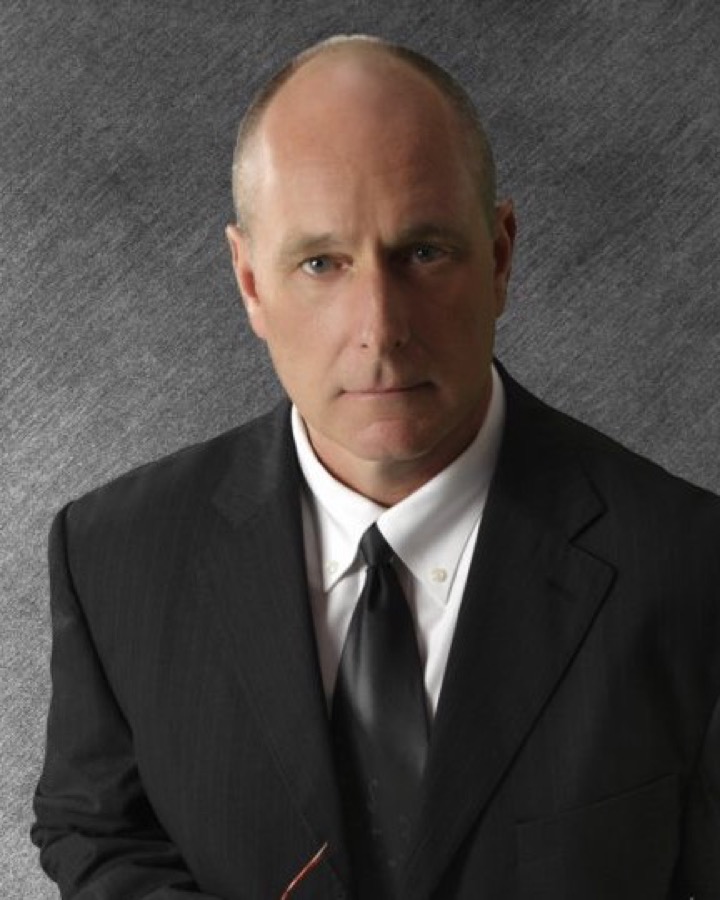 CEO & Owner
Thirty-eight years in four uniforms: street cop, soldier, professor, investigator. More than 220 matters in 42 states and D.C. since 2014, with testimony that has not been excluded at trial in any state or federal court.
Full biography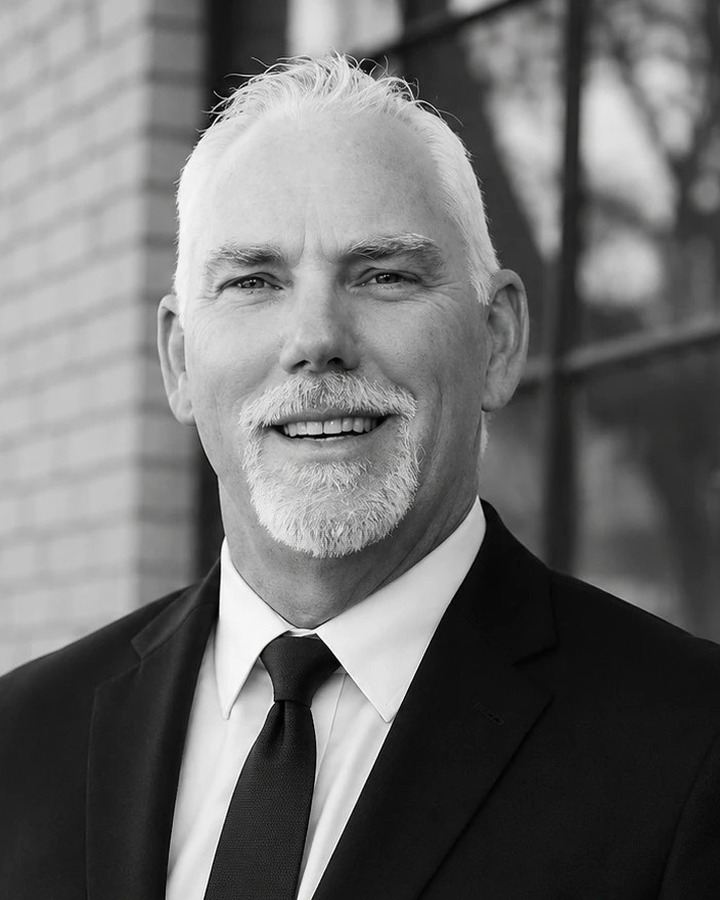 Consultant
More than thirty-five years in public safety: twelve years and three terms as the elected Sheriff of Lewis County, Washington, and six years a commissioner of the state board that sets peace-officer training standards.
Full profile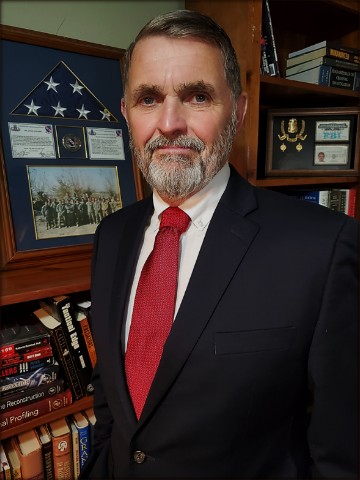 Consultant
Forty years of investigative casework, from patrolman in St. Louis County to the FBI in Chicago, and on to task forces in Afghanistan and Liberia. His work on the Idaho student murders is examined in Broken Plea, the New York Times bestseller by Christopher Whitcomb.
Full profileNever excluded. Professor Gilbertson’s testimony has not been excluded at trial in any state or federal court.
The Hon. Richard A. Jones United States District Judge“Mr. Gilbertson’s qualifications demonstrate extensive experience in policing. His expansive work as a police officer in Georgia, with assignments as a SWAT team officer, juvenile court investigator, school resource officer, stakeout squad officer, senior patrolman, and patrolman; then a career as a tenured college professor and university lecturer teaching criminal justice courses to degree-seeking students at colleges and universities, and as a licensed private investigator conducting felony pretrial investigations for attorneys in Washington State in dozens of criminal cases, makes him unique in the field of police expert witnesses. The Court finds that, based on his experience, Mr. Gilbertson’s testimony can be expected to have a reliable basis in knowledge and experience of police practices.”
What the expert opines on, and what stays with the court.
Expert testimony exists to give the trier of fact specialized knowledge it does not already have. For a police practices expert, that knowledge is concrete: national standards, model policies, training curricula, and how officers are actually trained and supervised, applied to the incident the record shows. The opinion says what generally accepted police practices required in the circumstances the officers faced, and whether the conduct in the record was consistent with those practices. That is testimony a court can test and a jury can use.
Legal conclusions sit on the other side of the line. Whether force was unconstitutional, whether an arrest lacked probable cause as a matter of law, whether an officer was negligent or committed a crime: those are verdicts. They belong to the court and the trier of fact, informed by the law counsel argues, and they remain counsel’s to argue. An expert who pronounces them has stopped explaining a discipline and started directing a verdict.
The line runs through even the most familiar doctrine. Graham v. Connor, 490 U.S. 386 (1989) governs use-of-force questions, and its inquiry, anchored to what was known at the time and never to hindsight, is where a practices analysis lives. The expert can explain how trained officers assess severity, threat, resistance and flight, and what this record shows about each. Whether the force was objectively reasonable in the constitutional sense is the court’s question, and the disciplined expert leaves it there.
The boundary also protects the record the jury deliberates on. When the expert stays inside practices, the jury hears standards evidence it can weigh against the facts. When an expert pronounces the verdict, the jury hears an instruction from the witness stand, which is precisely what the rules of evidence exist to prevent.
The boundary is what survives the motion.
The practical argument is Fed. R. Evid. 702 and Daubert v. Merrell Dow Pharmaceuticals, Inc., 509 U.S. 579 (1993). An opinion inside police practices rests on knowledge and experience a court can examine, and it helps the jury with something it cannot get elsewhere. An opinion that pronounces on the law does neither: it invades the province of the court and the jury, and it adds no fact a juror can weigh. Courts exclude such opinions routinely, and motions to exclude quote them gratefully. The line between the two is where most challenges to practices experts are actually won and lost.
Exclusion also rarely trims neatly. A report threaded with verdict language puts every opinion around it at risk, because the motion argues the whole analysis was advocacy. A report built inside the discipline leaves the motion little to attack, which is how a record like never excluded at trial gets built, one survived challenge at a time. The mechanics of those challenges are covered in Daubert and Rule 702 in police practices testimony.
How the report says it instead.
The difference is audible in a single sentence. A practices opinion reads: the conduct shown in the record was inconsistent with generally accepted police practices in de-escalation and the use of force. A legal conclusion reads: the officer used unconstitutional force. The first states a professional-standards opinion the witness is qualified to give. The second borrows a verdict word and hands the motion to exclude its first exhibit.
- The report says: consistent, or inconsistent, with generally accepted police practices, named practice by practice.
- The report says: what national standards, model policies and training required in the circumstances the record shows.
- The report says: what the video, the written reports and the testimony establish, on the totality of the facts and circumstances.
- The report does not say: unconstitutional, negligent, reckless, guilty or liable.
- The report does not say: who should win, or what any claim is worth.
The report language is built this way on purpose, from the first draft. Nothing has to be walked back at deposition, and nothing invites the court to strike the analysis as argument. What that discipline looks like across a full engagement is described in what a police practices expert does.
When the question becomes a retention.
This page is reference. When a live matter needs the analysis, these are the doors.
Asked alongside this one.
Can a police expert testify that an officer’s force was unconstitutional?
Does the ultimate-issue boundary make the opinion less useful to the case?
What does the report say instead of stating a legal conclusion?
Bring the matter behind the question.
Attorney inquiries are answered directly. If a case presents a conflict, you will hear it immediately.
Inquiry sent.
You will hear back directly. If the matter is urgent, call (239) 571-1840.
Conflicts are checked before any substantive discussion. Please do not send privileged material with a first inquiry; after retention the record is exchanged on physical media. Gregory consults for attorneys and their staff only, and does not provide legal advice or attorney referrals to individuals.