

Never excluded at trial.
What the phrase means.
Direct line: (239) 571-1840 · GregoryGilbertson@proton.me
Attorney and law-firm inquiries only
Professor Gilbertson’s testimony has not been excluded at trial in any state or federal court. That sentence does precise work. This page explains what exclusion is, why an admission record matters to counsel weighing admissibility risk, and what the record does and does not promise.
Three experts. Over 110 years.
Professor Gregory Gilbertson (Ret.), FBI Special Agent Christopher Holland (Ret.), and Sheriff Robert Snaza consult with attorneys nationwide regarding police practices and procedures, use of force, false arrest, police misconduct, criminal, and self-defense casework.
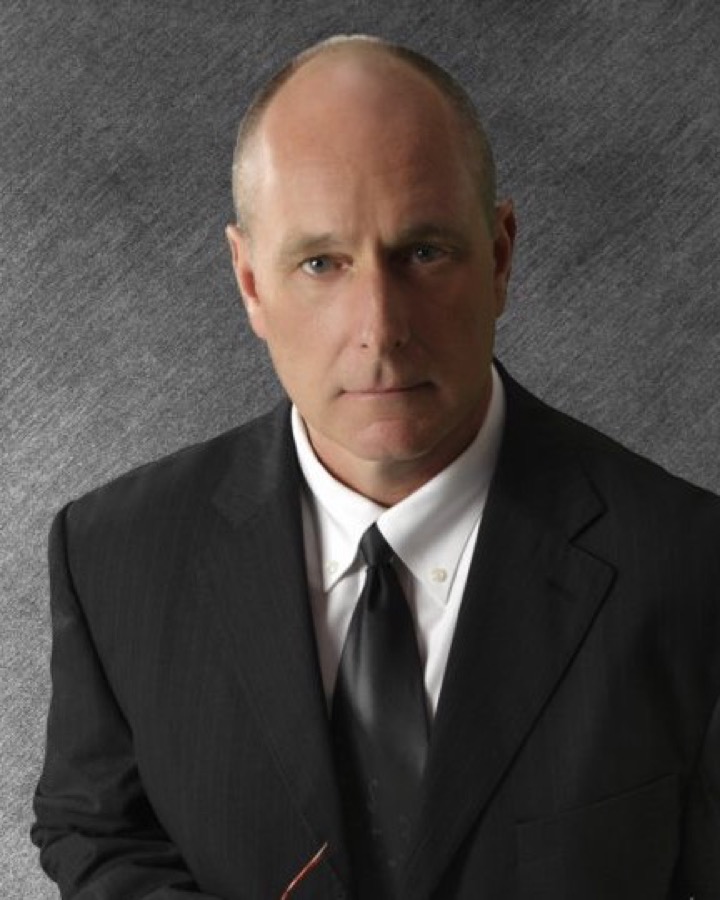 CEO & Owner
Thirty-eight years in four uniforms: street cop, soldier, professor, investigator. More than 220 matters in 42 states and D.C. since 2014, with testimony that has not been excluded at trial in any state or federal court.
Full biography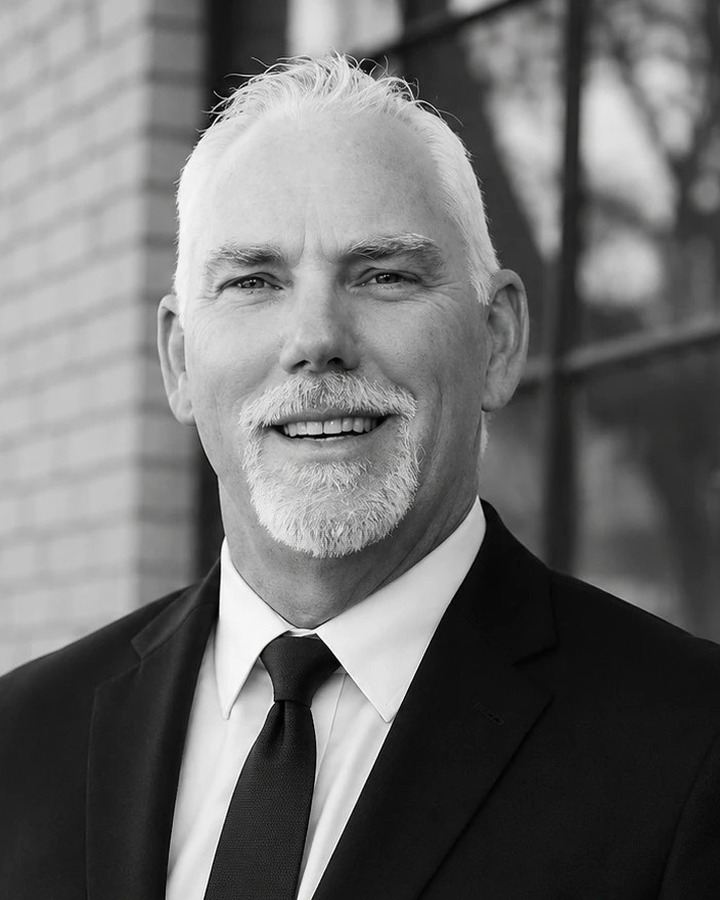 Consultant
More than thirty-five years in public safety: twelve years and three terms as the elected Sheriff of Lewis County, Washington, and six years a commissioner of the state board that sets peace-officer training standards.
Full profile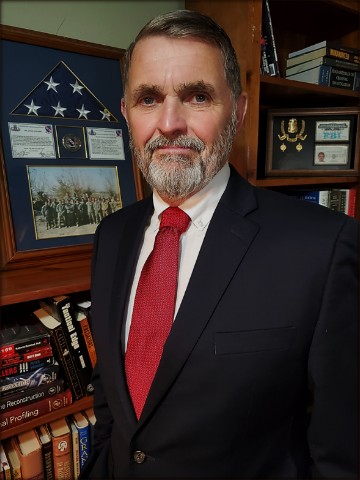 Consultant
Forty years of investigative casework, from patrolman in St. Louis County to the FBI in Chicago, and on to task forces in Afghanistan and Liberia. His work on the Idaho student murders is examined in Broken Plea, the New York Times bestseller by Christopher Whitcomb.
Full profileNever excluded. Professor Gilbertson’s testimony has not been excluded at trial in any state or federal court.
The Hon. Richard A. Jones United States District Judge“Mr. Gilbertson’s qualifications demonstrate extensive experience in policing. His expansive work as a police officer in Georgia, with assignments as a SWAT team officer, juvenile court investigator, school resource officer, stakeout squad officer, senior patrolman, and patrolman; then a career as a tenured college professor and university lecturer teaching criminal justice courses to degree-seeking students at colleges and universities, and as a licensed private investigator conducting felony pretrial investigations for attorneys in Washington State in dozens of criminal cases, makes him unique in the field of police expert witnesses. The Court finds that, based on his experience, Mr. Gilbertson’s testimony can be expected to have a reliable basis in knowledge and experience of police practices.”
What the phrase asserts, and what it does not.
Exclusion is the remedy opposing counsel seeks when challenging an expert: a motion under Fed. R. Evid. 702, framed by Daubert v. Merrell Dow Pharmaceuticals, Inc., 509 U.S. 579 (1993), asking the court to bar some or all of the proffered opinions from trial. A court that grants the motion has found the testimony wanting on qualifications, reliability, or fit, and the jury never hears it. When that happens after disclosure deadlines have run, it is one of the worst procedural injuries a case can absorb.
Never excluded at trial states a specific, checkable fact: across an expert practice running since 2014, spanning more than 220 civil rights and criminal cases in 42 states and the District of Columbia, retained by plaintiff’s counsel, the criminal defense bar, and counsel defending officers and agencies, Professor Gilbertson’s testimony has not been excluded at trial in any state or federal court.
- It is a claim about rulings, not about the absence of challenges. Motions to exclude get filed, briefed and decided.
- It covers trial testimony in state and federal courts alike, the setting where exclusion actually decides cases.
- It is verifiable. The admitting courts are named publicly, and the full testimony record goes to retaining counsel on request.
- It is not a promise about the next motion. No admission record can be, and counsel should distrust any expert who implies otherwise.
A denied motion to exclude is not a formality survived. It means a court examined qualifications, method and fit under Rule 702, with briefing from counsel whose assignment was to remove the witness, and let the jury hear the opinions anyway.
The risk counsel is actually pricing.
Counsel retaining a testifying expert underwrites a specific risk: that after the retainer, the report and the disclosure, a Rule 702 motion lands and the opinions do not survive it. By that point the disclosure deadline has usually passed, a substitute expert is foreclosed, and theories built on the analysis reach the jury unsupported or not at all. An admission record does not eliminate that risk. It is simply the most direct evidence available about that risk, and the natural first check.
This record is itself on the record. In the court’s ruling in Alvarez v. King County, the United States District Court for the Western District of Washington took up a motion to exclude Professor Gilbertson’s testimony and declined to exclude it. The ruling is quoted in full on the homepage. Testimony has been admitted in the state courts of Washington, Oregon, Kansas, Connecticut, Florida and Illinois, and in the U.S. District Courts for the Western District of Washington, the District of Arizona, and the Western District of Louisiana; the admitting courts are listed alongside the ruling.
The streak is not luck, and it is not caution about hard cases. Opinions rest on the complete record, are measured against national standards and generally accepted police practices on the totality of the facts and circumstances, and stay strictly inside the discipline: the expert addresses police practices, and legal conclusions remain counsel’s. Opinions built that way give a motion to exclude very little to hold.
What the record does not promise.
Stated as plainly as the claim itself: past admission never assures future admission. Admissibility is case-specific and jurisdiction-specific, decided motion by motion on the opinions actually disclosed in that matter, under that forum’s law, and retaining counsel is responsible for the admissibility of reports and testimony in every engagement. An expert who suggests his record settles the question is telling counsel something no record can support. The honest formulation is the one this page opened with: it has not happened, in any state or federal court, to date.
What travels from case to case is method, not immunity from challenge. The same record discipline, the same standards and the same refusal to opine on the law apply to the next engagement, which is the strongest reason the record has held. For how a challenge actually runs and how a practices opinion is built to meet one, see Daubert and Rule 702 in police practices testimony. For the scale and spread of the underlying casework, see how many matters, and where.
When the question becomes a retention.
This page is reference. When a live matter needs the analysis, these are the doors.
Asked alongside this one.
Has Professor Gilbertson’s testimony ever been excluded at trial?
Does a never-excluded record make the next opinion admissible?
Where can counsel see the ruling behind the claim?
Bring the matter behind the question.
Attorney inquiries are answered directly. If a case presents a conflict, you will hear it immediately.
Inquiry sent.
You will hear back directly. If the matter is urgent, call (239) 571-1840.
Conflicts are checked before any substantive discussion. Please do not send privileged material with a first inquiry; after retention the record is exchanged on physical media. Gregory consults for attorneys and their staff only, and does not provide legal advice or attorney referrals to individuals.