

Brady and Giglio material,
traced through police files.
Direct line: (239) 571-1840 · GregoryGilbertson@proton.me
Attorney and law-firm inquiries only
Two disclosure doctrines decide what parts of a police file matter beyond the incident itself. This page defines Brady and Giglio material in plain terms, shows how internal affairs dispositions and disciplinary records become the material those doctrines reach, and marks the expert’s lane: mapping what exists, while disclosure obligations stay with counsel.
Three experts. Over 110 years.
Professor Gregory Gilbertson (Ret.), FBI Special Agent Christopher Holland (Ret.), and Sheriff Robert Snaza consult with attorneys nationwide regarding police practices and procedures, use of force, false arrest, police misconduct, criminal, and self-defense casework.
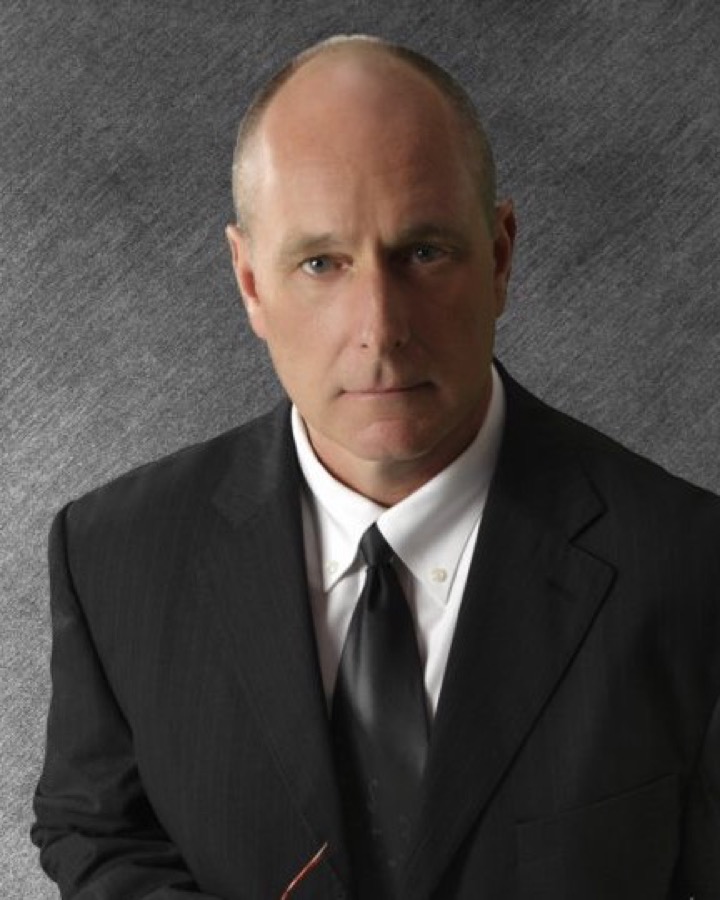 CEO & Owner
Thirty-eight years in four uniforms: street cop, soldier, professor, investigator. More than 220 matters in 42 states and D.C. since 2014, with testimony that has not been excluded at trial in any state or federal court.
Full biography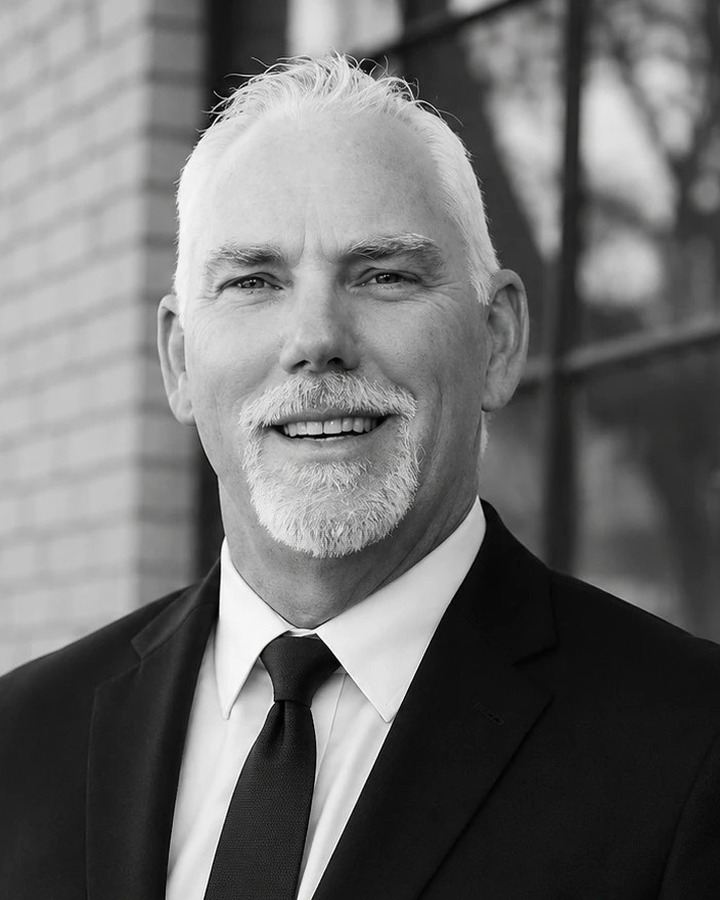 Consultant
More than thirty-five years in public safety: twelve years and three terms as the elected Sheriff of Lewis County, Washington, and six years a commissioner of the state board that sets peace-officer training standards.
Full profile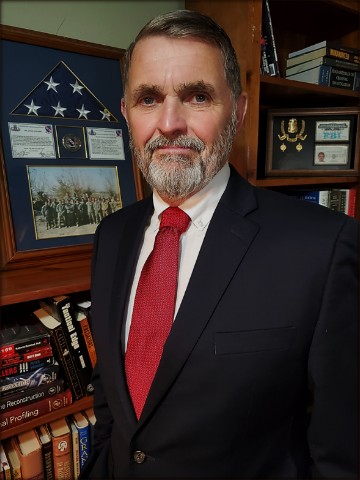 Consultant
Forty years of investigative casework, from patrolman in St. Louis County to the FBI in Chicago, and on to task forces in Afghanistan and Liberia. His work on the Idaho student murders is examined in Broken Plea, the New York Times bestseller by Christopher Whitcomb.
Full profileNever excluded. Professor Gilbertson’s testimony has not been excluded at trial in any state or federal court.
The Hon. Richard A. Jones United States District Judge“Mr. Gilbertson’s qualifications demonstrate extensive experience in policing. His expansive work as a police officer in Georgia, with assignments as a SWAT team officer, juvenile court investigator, school resource officer, stakeout squad officer, senior patrolman, and patrolman; then a career as a tenured college professor and university lecturer teaching criminal justice courses to degree-seeking students at colleges and universities, and as a licensed private investigator conducting felony pretrial investigations for attorneys in Washington State in dozens of criminal cases, makes him unique in the field of police expert witnesses. The Court finds that, based on his experience, Mr. Gilbertson’s testimony can be expected to have a reliable basis in knowledge and experience of police practices.”
Two definitions, kept short.
Brady v. Maryland, 373 U.S. 83 (1963) requires the prosecution to disclose evidence favorable to the accused that is material to guilt or to punishment. The duty attaches to what the government holds, which in practice includes what its police agencies hold, whether or not the defense has asked for it by name.
Giglio v. United States, 405 U.S. 150 (1972) extends the same duty to impeachment material: evidence bearing on the credibility of government witnesses. Testifying officers are government witnesses, so Giglio is the doctrine that pulls officer credibility records, including sustained findings of dishonesty, into the disclosure frame.
This page stays out of the depths of prosecutorial duty, which belong to counsel. The point is narrower and practical: these doctrines are why the contents of internal affairs and personnel files can matter as much as the incident file, and why a practices expert reading a record notes what those files hold and what they should hold but do not.
Vocabulary note: in the field, material is shorthand. Whether a given item is material in the constitutional sense in a given prosecution is a legal determination for counsel; the file work is locating and reading what exists.
How findings become disclosure material.
Findings are the clearest route by which an officer’s file becomes Brady or Giglio material. Whether unsustained allegations or pending matters must also be disclosed in a given prosecution is a legal determination for counsel. A sustained internal affairs disposition that an officer was untruthful in a report, an interview or testimony is a credibility finding made by the officer’s own agency. The discipline imposed on those grounds, and the stated basis for it, documents the finding. Repeated sustained dispositions build a documented history, and that history is what litigators mean when they say disclosure material is sitting in a personnel file.
- Internal affairs case files: the allegation, the investigation, the findings and the final disposition
- Disciplinary records: the action taken and the stated grounds for taking it
- Personnel files: the durable record of findings, discipline and any later modification on appeal
- Decertification actions reported to the National Decertification Index (NDI)
- Disclosure lists that some prosecutors’ offices maintain for officers with sustained credibility findings
Agencies vary in how cleanly this trail is kept, and the variation is itself informative. Accepted practice, informed by national standards and model policies, treats sustained credibility findings as records that must be complete, retrievable and durable. Files that scatter findings across systems, or dispositions that soften on appeal without documentation, leave exactly the gaps counsel needs to know about. Many of the underlying interviews were compelled under Garrity v. New Jersey, 385 U.S. 493 (1967); how compelled statements are read is covered in what a Garrity statement is, and the review process that produces dispositions is measured in internal affairs review standards.
Mapping what exists. Counsel decides what follows.
The expert’s part is locating and reading what the record shows: which findings were sustained and on what stated basis, what discipline followed, whether the personnel, internal affairs and training records produced in discovery are internally consistent, and where the documentation trail points next. When a report references an investigation that is absent from production, or a disposition appears without its underlying file, the analysis says so, in the vocabulary of documentation and accepted practice rather than accusation.
For retaining counsel the practical question is discovery scope, because the incident file alone will not show a credibility history. The records that matter, internal affairs dispositions, disciplinary actions and personnel entries, live in systems that outlast any single case. The discovery file the practice asks counsel to assemble includes police and internal affairs investigation reports and involved-officer training and disciplinary records for exactly this reason: the credibility trail has to arrive with the record, or the analysis will flag its absence.
Disclosure obligations, suppression remedies and the litigation use of any of it are counsel’s, and the report is written so that boundary stays visible. Legal conclusions remain counsel’s; the expert addresses police practices. Where the record suggests reports were written to conceal rather than record, that is casework in its own right, treated on the service page for falsified reports.
The analysis identifies documentation and gaps. Whether any item is Brady or Giglio material in a particular prosecution, and what must be disclosed and when, are legal determinations for counsel.
When the question becomes a retention.
This page is reference. When a live matter needs the analysis, these are the doors.
Asked alongside this one.
What makes an internal affairs finding Giglio material?
Where do officer credibility records usually live?
Does the expert decide what the prosecution must disclose?
Bring the matter behind the question.
Attorney inquiries are answered directly. If a case presents a conflict, you will hear it immediately.
Inquiry sent.
You will hear back directly. If the matter is urgent, call (239) 571-1840.
Conflicts are checked before any substantive discussion. Please do not send privileged material with a first inquiry; after retention the record is exchanged on physical media. Gregory consults for attorneys and their staff only, and does not provide legal advice or attorney referrals to individuals.