

Time, Distance and Cover
What De-Escalation Requires
Direct line: (239) 571-1840 · GregoryGilbertson@proton.me
Attorney and law-firm inquiries only
De-escalation, as national training teaches it, is the disciplined use of time, distance, cover and communication to slow an encounter and widen options, where circumstances permit. The record shows whether it happened. The analysis shows whether it was feasible.
Three experts. Over 110 years.
Professor Gregory Gilbertson (Ret.), FBI Special Agent Christopher Holland (Ret.), and Sheriff Robert Snaza consult with attorneys nationwide regarding police practices and procedures, use of force, false arrest, police misconduct, criminal, and self-defense casework.
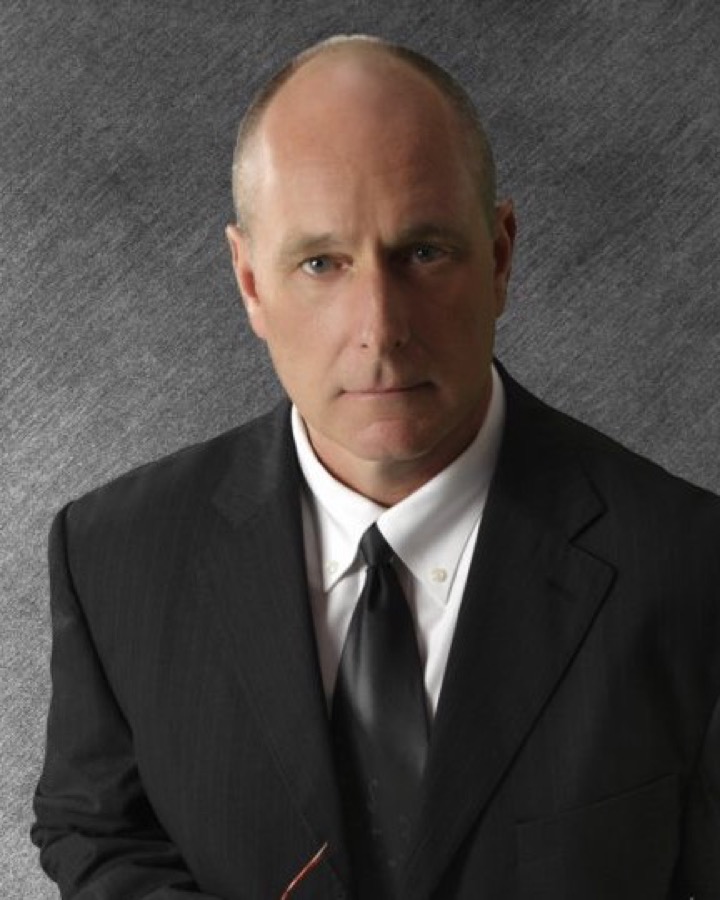 CEO & Owner
Thirty-eight years in four uniforms: street cop, soldier, professor, investigator. More than 220 matters in 42 states and D.C. since 2014, with testimony that has not been excluded at trial in any state or federal court.
Full biography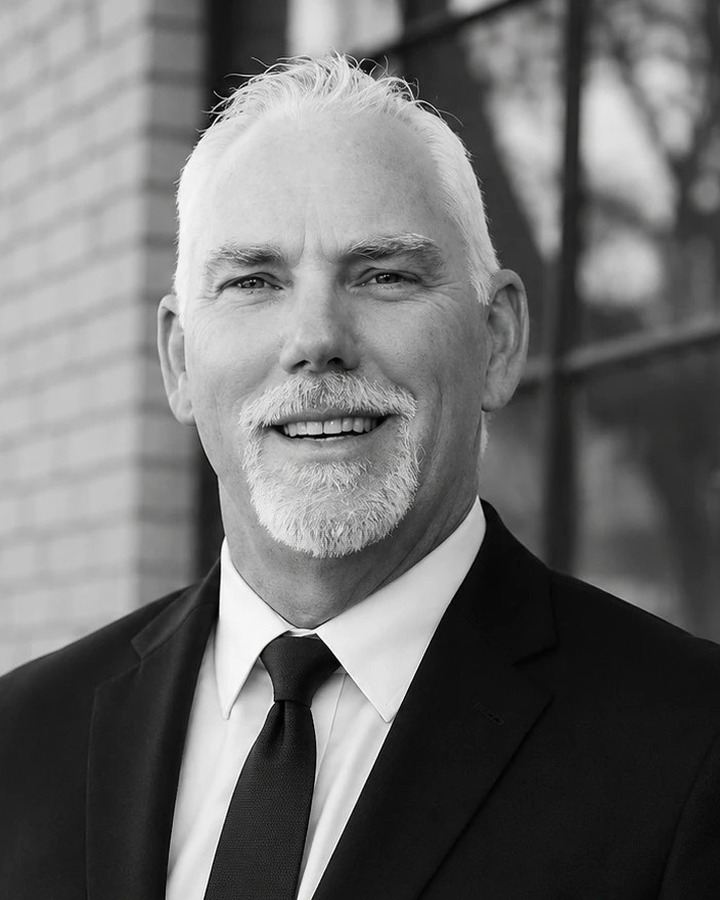 Consultant
More than thirty-five years in public safety: twelve years and three terms as the elected Sheriff of Lewis County, Washington, and six years a commissioner of the state board that sets peace-officer training standards.
Full profile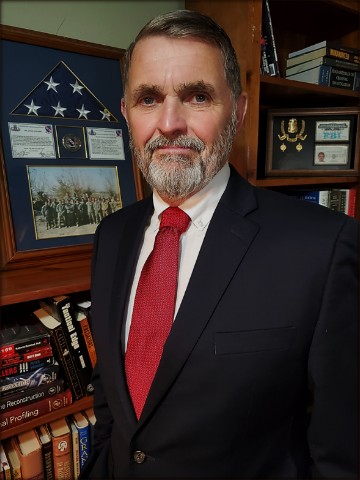 Consultant
Forty years of investigative casework, from patrolman in St. Louis County to the FBI in Chicago, and on to task forces in Afghanistan and Liberia. His work on the Idaho student murders is examined in Broken Plea, the New York Times bestseller by Christopher Whitcomb.
Full profileNever excluded. Professor Gilbertson’s testimony has not been excluded at trial in any state or federal court.
The Hon. Richard A. Jones United States District Judge“Mr. Gilbertson’s qualifications demonstrate extensive experience in policing. His expansive work as a police officer in Georgia, with assignments as a SWAT team officer, juvenile court investigator, school resource officer, stakeout squad officer, senior patrolman, and patrolman; then a career as a tenured college professor and university lecturer teaching criminal justice courses to degree-seeking students at colleges and universities, and as a licensed private investigator conducting felony pretrial investigations for attorneys in Washington State in dozens of criminal cases, makes him unique in the field of police expert witnesses. The Court finds that, based on his experience, Mr. Gilbertson’s testimony can be expected to have a reliable basis in knowledge and experience of police practices.”
De-escalation, as it is actually taught.
Stripped of slogans, de-escalation is a set of concrete techniques. Time: slow the encounter rather than force its tempo, because time favors options. Distance: create or preserve space, because space converts sudden movement into observable movement. Cover: use barriers and positioning so distance can be held without escalating. Communication: one clear voice, plain commands, active listening, and the deliberate avoidance of shouted contradiction.
The purpose is not surrender of the scene; it is expansion of choice. An encounter slowed and contained can end with more options on the table, including options short of force. An encounter compressed to seconds tends to end with whatever option was already in hand. National curricula teach officers to notice which trajectory they are creating. The techniques are teachable, observable and testable against video, which is why they anchor expert analysis better than labels do.
The phrase 'where circumstances permit’ is part of the definition, not a disclaimer bolted on. Some scenes do not offer time, distance or cover, and the doctrine says so. What the doctrine does not excuse is failing to use the room a scene actually offered, and the record usually shows how much room there was. The teaching model for force selection itself is covered at force options and decision models.
Counsel will meet the doctrine under several names: de-escalation, tactical disengagement, slowing it down, tactical patience. The labels vary by curriculum; the components do not. Any version worth the name teaches the same four resources, and the analysis looks for the components in the record rather than the label in the policy.
What modern national training expects.
Across the bodies that shape national practice, IACP model policies, PERF guidance, the DOJ COPS Office and state POST curricula among them, the expectations converge on a recognizable set. Assessment before action: read the scene, the person and the risk before closing distance. Tactical repositioning: move to positions that buy time rather than positions that demand force. Resources: call for supervisors, crisis-trained officers or co-responders where the situation calls for them. And continuous reassessment as the person’s behavior changes.
Crisis-specific training layers onto that base. Officers trained in crisis intervention are taught recognition cues, engagement techniques and the tactical patience that crisis calls reward; what CIT training covers explains that curriculum and its records. Where the call itself announced a person in crisis, the expectations sharpen before the first officer arrives, because the information arrived first.
Supervisors carry their own expectations. Modern practice expects an arriving supervisor to take ownership of tempo: confirm containment, stage resources, designate a communicator, and slow the event where the scene allows. A supervisor’s presence on scene changes the analysis, because the training expectations attach to the rank that assumed control.
Policy translates these expectations into agency law. Many departments now state de-escalation expectations in their force policies, define feasibility, and require officers to document the techniques used or the reasons none were available. Where the agency wrote that requirement, the analysis holds the record to it; where it did not, national practice supplies the measuring stick.
Delivery matters as well as content. National practice treats de-escalation as a perishable, scenario-taught skill rather than a slideshow subject: reality-based training with role players, decision drills that integrate force options, and refreshers on a recurring cycle. A training file showing a single classroom hour years before the incident tells a different story than a file showing scenario-based refreshers, and the analysis reads the difference.
The trail de-escalation leaves.
De-escalation is unusually legible in discovery. It happens, or fails to happen, across documents that already exist in every significant encounter, and its techniques are visible behaviors rather than states of mind.
- The 911 call and CAD narrative: what the responding officers were told, and how the call framed the person
- Radio traffic: resources requested, resources waved off, and when
- Time stamps: elapsed time from arrival to first contact, and from first contact to first force
- Positioning on video: distance created or surrendered, cover used or bypassed
- Communication on audio: commands, tone, one voice or several in contradiction
- Supervisor notifications and whether anyone slowed the scene down
- The responding officers’ de-escalation and crisis-intervention training records
Read together, those sources answer the two questions the analysis actually asks. Was de-escalation feasible: did the scene offer time, distance and cover, and for how long. And does the record show trained techniques in use: repositioning, containment, a single communicator, resources requested. Feasible and absent is one finding. Infeasible is another. Feasible and present, and the event turned anyway, is a third, and it is stated with the same directness.
Absence in this record is also evidence. Dispatch logs that show no request for a supervisor or crisis-trained officer, video that shows no repositioning, audio with three officers shouting competing commands: each is a documented fact, and each is measured against what the officers’ own training files say they were taught to do instead.
The paper record after the event matters as much as the live one. Where policy requires officers to document the de-escalation techniques used, or the reasons none were feasible, the use-of-force report joins the trail: what the report claims is tested against what the video shows and what the training file says the officer knew how to do. A review chain that accepted boilerplate feasibility language without comparing it to the video is itself a practices finding.
Where circumstances permit is doing real work.
De-escalation standards do not require officers to surrender control of a dangerous scene, absorb an assault, or let an armed person dictate the encounter. No national curriculum teaches that, and an analysis that pretends otherwise does not survive deposition. The doctrine’s own language, where circumstances permit, where feasible, where time allows, sets the boundary, and honest analysis takes the boundary seriously.
Feasibility is a record question, decided on the totality of the facts and circumstances, not a slogan for either side. Sudden assaults can erase the room for time and distance in seconds, and video sometimes shows exactly that. It also sometimes shows the opposite: minutes of available time spent closing distance while cover went unused. The same standards produce both findings, and the report follows the record wherever it goes.
Timing discipline matters in this analysis more than in most. De-escalation findings rise or fall on elapsed time: seconds versus minutes between arrival and first force, and what filled them. The analysis fixes that timeline from time-stamped sources before characterizing anything, because a feasibility opinion without a timeline is rhetoric.
The constitutional frame does not change: Graham v. Connor, 490 U.S. 386 (1989), judges force on what was known at the time, without hindsight, and de-escalation analysis lives inside that frame rather than around it. The practices question is what national and agency training expected of the officer before force became the question at all; totality of the circumstances covers how the whole-record standard operates. Legal conclusions on reasonableness remain counsel’s; the expert speaks to police practices.
The analysis cuts both ways.
Plaintiff’s counsel typically retains this analysis to show feasible de-escalation absent from the record: time available and unused, resources never requested, training never applied. Defense counsel retains the same analysis to show the opposite: an officer who slowed the scene, repositioned, communicated and reassessed, or a scene that never offered the room. Professor Gilbertson is retained in both postures, and the method is identical in each.
In crisis encounters the analysis also marks its own boundary. What the officers were told, what they were trained to do and what they did are police-practices questions. Clinical questions about the person’s condition belong to qualified mental-health professionals, and the report says so on the record.
For counsel evaluating a potential matter, the working checklist is short: fix the timeline, pull the dispatch and radio record, obtain the responding officers’ de-escalation and crisis-intervention training files, and let the video establish distance, cover and tempo. Whether the record then supports a de-escalation finding, in either direction, is exactly what the analysis is for. The same checklist serves defense counsel evaluating an officer’s conduct early, before positions harden.
De-escalation is a discipline for the moments before force is chosen. Whether it was possible, and whether it was used, are record questions, and the honest answer sometimes favors the officer.
When the question becomes a retention.
This page is reference. When a live matter needs the analysis, these are the doors.
Asked alongside this one.
Do police de-escalation standards require officers to retreat?
What records show whether officers attempted de-escalation?
Are de-escalation requirements the same in every agency?
Bring the matter behind the question.
Attorney inquiries are answered directly. If a case presents a conflict, you will hear it immediately.
Inquiry sent.
You will hear back directly. If the matter is urgent, call (239) 571-1840.
Conflicts are checked before any substantive discussion. Please do not send privileged material with a first inquiry; after retention the record is exchanged on physical media. Gregory consults for attorneys and their staff only, and does not provide legal advice or attorney referrals to individuals.