

Stops, arrests and searches,
term by term.
Direct line: (239) 571-1840 · GregoryGilbertson@proton.me
Attorney and law-firm inquiries only
Seizure vocabulary decides which threshold a witness is testifying to, and officers, policies and reports do not always use it the same way. These entries define the terms as police practice uses them and note what part of the record usually resolves each dispute. Legal conclusions remain counsel’s.
Three experts. Over 110 years.
Professor Gregory Gilbertson (Ret.), FBI Special Agent Christopher Holland (Ret.), and Sheriff Robert Snaza consult with attorneys nationwide regarding police practices and procedures, use of force, false arrest, police misconduct, criminal, and self-defense casework.
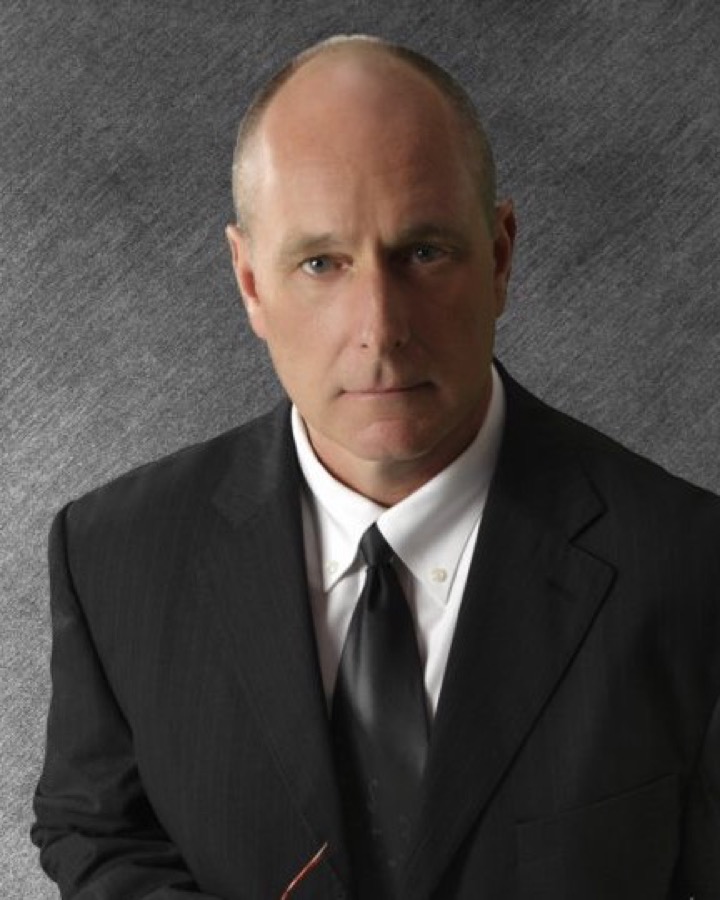 CEO & Owner
Thirty-eight years in four uniforms: street cop, soldier, professor, investigator. More than 220 matters in 42 states and D.C. since 2014, with testimony that has not been excluded at trial in any state or federal court.
Full biography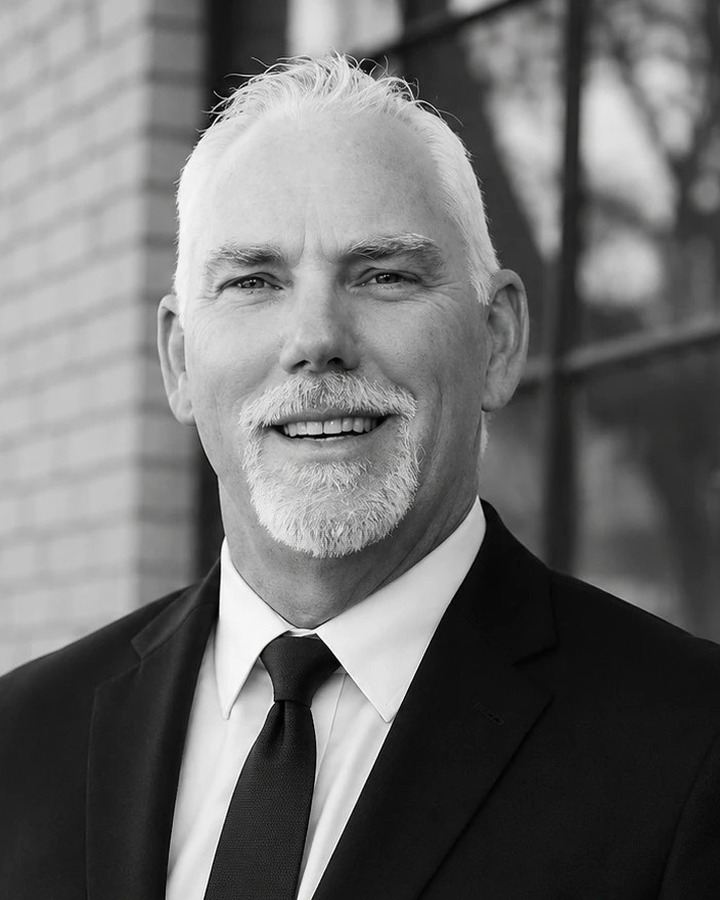 Consultant
More than thirty-five years in public safety: twelve years and three terms as the elected Sheriff of Lewis County, Washington, and six years a commissioner of the state board that sets peace-officer training standards.
Full profile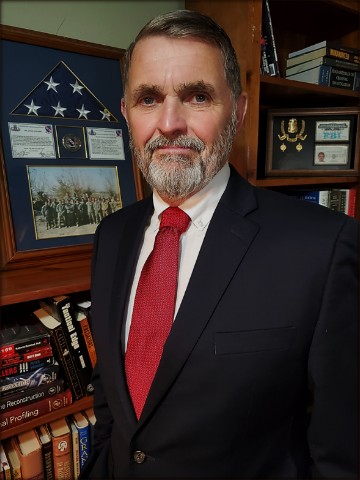 Consultant
Forty years of investigative casework, from patrolman in St. Louis County to the FBI in Chicago, and on to task forces in Afghanistan and Liberia. His work on the Idaho student murders is examined in Broken Plea, the New York Times bestseller by Christopher Whitcomb.
Full profileNever excluded. Professor Gilbertson’s testimony has not been excluded at trial in any state or federal court.
The Hon. Richard A. Jones United States District Judge“Mr. Gilbertson’s qualifications demonstrate extensive experience in policing. His expansive work as a police officer in Georgia, with assignments as a SWAT team officer, juvenile court investigator, school resource officer, stakeout squad officer, senior patrolman, and patrolman; then a career as a tenured college professor and university lecturer teaching criminal justice courses to degree-seeking students at colleges and universities, and as a licensed private investigator conducting felony pretrial investigations for attorneys in Washington State in dozens of criminal cases, makes him unique in the field of police expert witnesses. The Court finds that, based on his experience, Mr. Gilbertson’s testimony can be expected to have a reliable basis in knowledge and experience of police practices.”
Encounters and their thresholds.
Most false arrest matters turn on the moment one category became another, and on what the officer knew at that moment. The two thresholds that carry the most weight are set side by side in reasonable suspicion and probable cause compared.
A voluntary contact in which an officer approaches, asks questions and requests identification or consent without any level of suspicion, and the person remains free to decline and walk away. Nothing is seized because nothing is compelled. The practices question is whether the encounter stayed voluntary: retained identification, positioning that blocks the exit, the number of officers present, commands rather than requests, and the tone of the exchange as it appears on video.
See: related casework →A brief, non-arrest seizure supported by reasonable suspicion, recognized in Terry v. Ohio, 392 U.S. 1 (1968). The detention is expected to stay limited in scope and duration to what is needed to confirm or dispel the suspicion that justified it. The analysis follows the articulation: which specific facts the officer had at the moment of the stop, which investigative steps followed, and whether those steps stayed on the original purpose.
See: Terry stops →The threshold for an investigative detention: specific, articulable facts, together with rational inferences drawn from them, that criminal activity may be underway. It is more than a hunch and less than probable cause. Training teaches officers to articulate facts rather than conclusions, which makes the record test a simple one: strip the conclusory language out of the report and see which observable facts remain, then compare them with dispatch audio and video.
See: RS vs PC →A stop that was supportable at its start but continued past the time reasonably needed to complete its purpose, or expanded into an unrelated investigation without new justification. Length is a records question before it is a legal one: dispatch times, the arrival of additional units, the moment a records check cleared, and the point at which the original reason was resolved. Those timestamps usually settle the dispute.
See: related casework →State law varies. Arrest authority, warrant service and detention rules are set by statute and by agency policy, so the entries here describe generally accepted practice rather than the rule of any one jurisdiction.
Frisks, probable cause and arrest.
The threshold questions in this group are almost always chronology questions: what reached the officer, in what order, and whether the restraint used had caught up with the justification available.
A limited pat-down of outer clothing for weapons, supported by reasonable suspicion that the detained person is armed and dangerous, and justified separately from the stop itself. It is not a search for evidence. The practices issues are whether the officer articulated the weapons concern independently, whether the pat-down stayed on the surface of the clothing, and whether an item recovered was apparent as a weapon or as contraband before it was manipulated.
See: Terry stops →The threshold for arrest and for most warrants: facts and circumstances that would lead a reasonable officer to believe a particular person committed a particular offense. It is assessed at the moment of the decision, on what the officer knew then, not on what the investigation produced later. That timing is why so many false arrest disputes turn on a chronology of when each fact reached the officer rather than on the facts themselves.
See: related casework →A seizure of the person for prosecution, marked by restraint that a reasonable person would not take as brief or voluntary: handcuffing, placement in a vehicle, transport, booking. The label the officer uses does not control the question; the conditions do. Where a detention hardens into an arrest before probable cause has arrived, the analysis identifies the moment of that change and what was known at that point.
See: related casework →An arrest made on probable cause without a warrant, authorized in most jurisdictions for felonies and for misdemeanors committed in the officer’s presence, with state statutes drawing those lines differently. The paper record carries the weight: the probable cause statement, the charging affidavit, and whether the facts recited in them existed before the handcuffs went on or were gathered afterward and written up in support.
See: related casework →An arrest of the wrong person, usually from a name match, a shared date of birth, a stale warrant, or a description broad enough to fit many people. Generally accepted practice calls for identity confirmation steps before and after the arrest, and for prompt action once the person disputes identity. The analysis asks which confirming steps were available, which were taken, and how long the discrepancy went unexamined.
See: related casework →Entries and searches.
Entry terms describe decisions made under time pressure and documented afterward, so the timeline is usually the evidence. The casework these terms feed is described on warrants and no-knock entries, and the force used during an entry is defined in the use-of-force lexicon.
The requirement, stated in agency policy and in state statute, that officers serving a warrant identify themselves as police, state their purpose, and give occupants a reasonable opportunity to respond before forcing entry. Camera audio and the entry team’s own timeline usually decide the dispute, because the contested question is rarely whether an announcement happened, but how long officers waited after making it.
See: No-knock warrants →Conditions agencies train as permitting immediate action without a warrant: a threat to life, a suspect in active flight, or the imminent destruction of evidence. The practices question is what was known when the decision was made, and whether the exigency arose from the tactical choices that preceded it. Policy generally expects the exigency to be documented at the time, not assembled after the fact from what the entry found.
See: related casework →A search of the arrested person and the area within immediate control, conducted with a lawful arrest and justified by officer safety and evidence preservation rather than by any suspicion about what will be found. The practices issues are scope and sequence: what was searched, when it was searched relative to the arrest and to restraint, and whether the search expanded past what the agency’s policy authorizes.
See: related casework →When the question becomes a retention.
This page is reference. When a live matter needs the analysis, these are the doors.
Asked alongside this one.
Do state statutes change these definitions?
Can the expert testify that there was no probable cause?
Bring the matter behind the question.
Attorney inquiries are answered directly. If a case presents a conflict, you will hear it immediately.
Inquiry sent.
You will hear back directly. If the matter is urgent, call (239) 571-1840.
Conflicts are checked before any substantive discussion. Please do not send privileged material with a first inquiry; after retention the record is exchanged on physical media. Gregory consults for attorneys and their staff only, and does not provide legal advice or attorney referrals to individuals.