

Immunity is argued by counsel.
The record is built first.
Direct line: (239) 571-1840 · GregoryGilbertson@proton.me
Attorney and law-firm inquiries only
Qualified immunity shields officers from damages liability unless their conduct violated clearly established law. That doctrine is counsel’s lane, entirely. What the expert contributes is the factual practices record the immunity argument consumes: what training prescribed, what the officer knew when, and what the video shows.
Three experts. Over 110 years.
Professor Gregory Gilbertson (Ret.), FBI Special Agent Christopher Holland (Ret.), and Sheriff Robert Snaza consult with attorneys nationwide regarding police practices and procedures, use of force, false arrest, police misconduct, criminal, and self-defense casework.
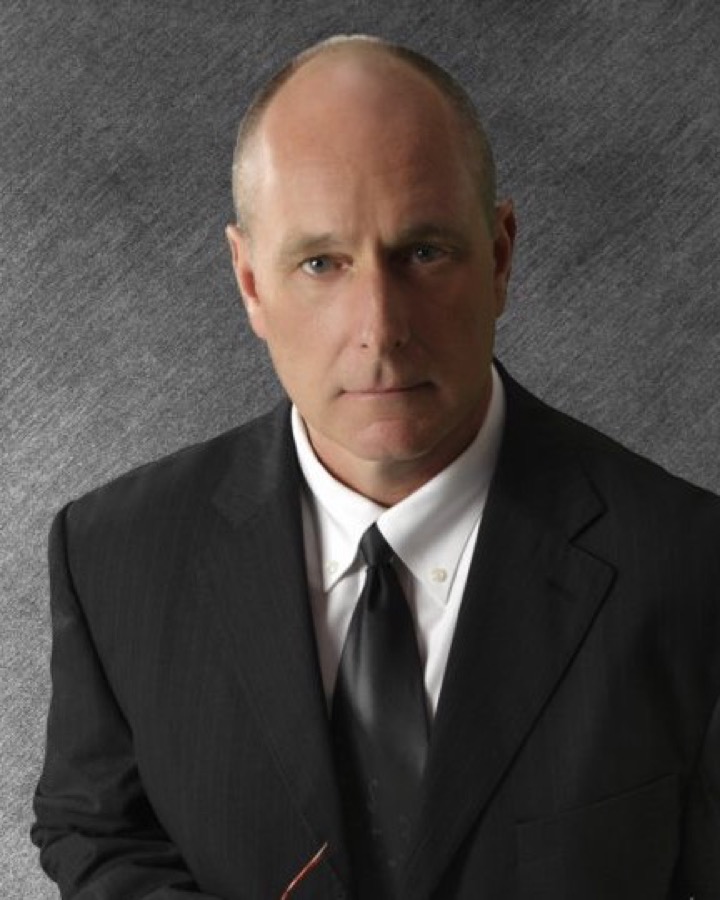 CEO & Owner
Thirty-eight years in four uniforms: street cop, soldier, professor, investigator. More than 220 matters in 42 states and D.C. since 2014, with testimony that has not been excluded at trial in any state or federal court.
Full biography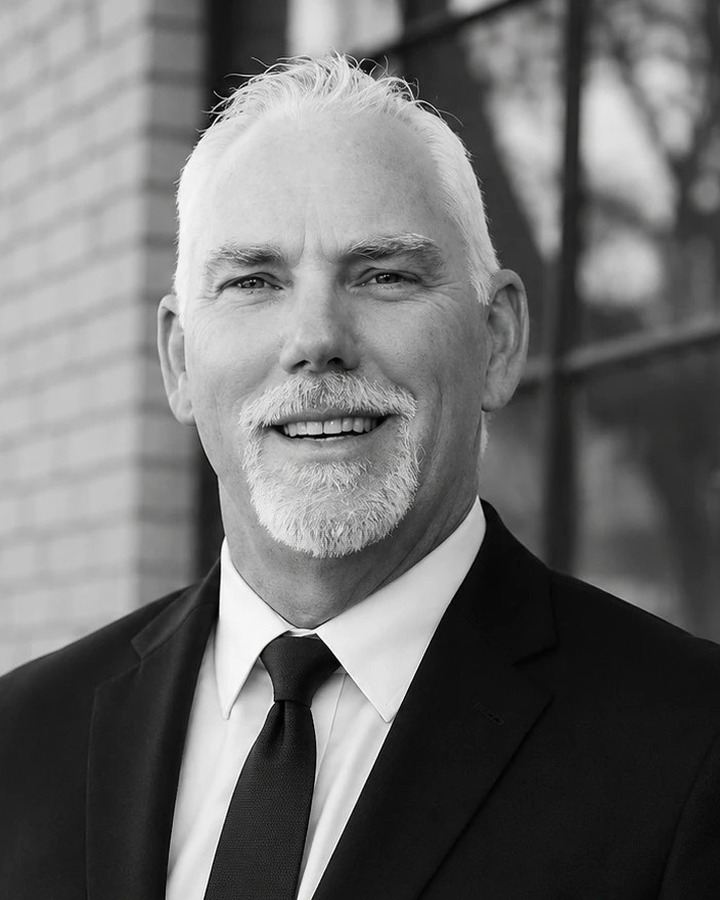 Consultant
More than thirty-five years in public safety: twelve years and three terms as the elected Sheriff of Lewis County, Washington, and six years a commissioner of the state board that sets peace-officer training standards.
Full profile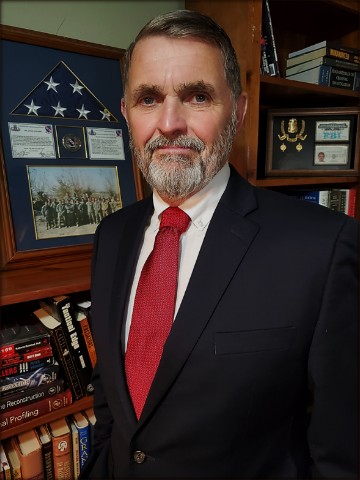 Consultant
Forty years of investigative casework, from patrolman in St. Louis County to the FBI in Chicago, and on to task forces in Afghanistan and Liberia. His work on the Idaho student murders is examined in Broken Plea, the New York Times bestseller by Christopher Whitcomb.
Full profileNever excluded. Professor Gilbertson’s testimony has not been excluded at trial in any state or federal court.
The Hon. Richard A. Jones United States District Judge“Mr. Gilbertson’s qualifications demonstrate extensive experience in policing. His expansive work as a police officer in Georgia, with assignments as a SWAT team officer, juvenile court investigator, school resource officer, stakeout squad officer, senior patrolman, and patrolman; then a career as a tenured college professor and university lecturer teaching criminal justice courses to degree-seeking students at colleges and universities, and as a licensed private investigator conducting felony pretrial investigations for attorneys in Washington State in dozens of criminal cases, makes him unique in the field of police expert witnesses. The Court finds that, based on his experience, Mr. Gilbertson’s testimony can be expected to have a reliable basis in knowledge and experience of police practices.”
A plain definition, and a hard boundary.
Qualified immunity is a judge-made doctrine that shields officers from personal damages liability in federal civil rights litigation unless the conduct violated clearly established law: law clear enough that a reasonable officer in the same position would have understood the conduct was unlawful. Courts decide it, often at summary judgment, and the argument runs on precedent, framing and timing.
All of that is legal architecture, and it belongs to retaining counsel. Which precedents count as clearly established, at what level of generality the right is defined, how the circuit treats the question, whether immunity is raised on the pleadings or at summary judgment: those are counsel’s calls and counsel’s briefs. A police practices expert has no opinion on any of them. The expert never opines that immunity does or does not apply, any more than the expert would answer the broader question of whether an expert can give legal conclusions; the answer is no, and the report observes that boundary on the record.
Counsel does not need an expert to explain the doctrine. Counsel needs the record that survives it: facts fixed to timestamps, training reduced to documents, standards stated at the level of practice rather than argument. That is the division of labor this page describes, and it is the reason a practices expert belongs in an immunity fight without ever touching the legal question.
The factual layer the briefing consumes.
What immunity briefing consumes, on either side, is a precise factual record of the encounter and the practices behind it. That layer is the expert’s work, and it has three load-bearing parts.
What training and standards prescribed.
Agency policy, academy and in-service training records, and national standards and model policies from bodies such as IACP, PERF and state POST commissions establish what the officer was taught to do in the situation at hand: when to create distance, how force options escalate, what a frisk requires, what supervision was supposed to check. This material is documentary, officer-specific and datable.
What the officer knew, and when.
The analysis fixes the information timeline: the dispatch broadcast, the CAD narrative, what the officer could see and hear at each moment, and what had already been confirmed or dispelled before force was used. Under Graham v. Connor, 490 U.S. 386 (1989), the force analysis is anchored to the facts known at the time, without hindsight, which is the same discipline immunity briefing demands of the factual record. The framework is walked through in Graham v. Connor explained for litigators.
What the video shows.
Frame-accurate description of the encounter: positions, distances, commands, compliance, timing, the moment force begins and the moment it stops. Where body-worn, dash and surveillance video conflict with the written reports, the divergence is documented precisely, because an immunity argument built on a characterization the video does not support fails in both directions.
Every element of this layer is documentary: policies, training files, CAD data, video. The opinion cites the record, not impressions, which is what makes it usable at summary judgment.
One record, serving either side of the motion.
A precise practices record serves plaintiff and defense counsel alike, which is why the practice is retained by both sides. The same national standards, the same complete record and the same method apply regardless of who signs the retention.
For plaintiff’s counsel opposing immunity, precision means specificity: exactly what training prescribed, exactly what the officer knew, exactly when. For counsel defending an officer, the same file matters in reverse: where the record shows conduct tracking training and generally accepted practice, the report says so plainly, and that documentation does its work in briefing. Neither use changes the opinion; the opinion is about practices, and it is the same either way.
The force analysis behind most immunity fights is use-of-force casework: the Graham factors, threat assessment, proportionality, and the totality of the facts and circumstances, measured on the complete record. That work is described in the excessive force expert witness practice. What the expert adds to an immunity fight is not an answer to the legal question; it is a record precise enough that the legal question can be argued on facts rather than characterizations. Legal conclusions remain counsel’s throughout.
When the question becomes a retention.
This page is reference. When a live matter needs the analysis, these are the doors.
Asked alongside this one.
Can an expert testify that qualified immunity applies?
How does a practices report help in immunity briefing?
Does the analysis change when the defense retains the expert?
Bring the matter behind the question.
Attorney inquiries are answered directly. If a case presents a conflict, you will hear it immediately.
Inquiry sent.
You will hear back directly. If the matter is urgent, call (239) 571-1840.
Conflicts are checked before any substantive discussion. Please do not send privileged material with a first inquiry; after retention the record is exchanged on physical media. Gregory consults for attorneys and their staff only, and does not provide legal advice or attorney referrals to individuals.