

What a Section 1983 claim is,
and where the expert fits.
Direct line: (239) 571-1840 · GregoryGilbertson@proton.me
Attorney and law-firm inquiries only
42 U.S.C. § 1983 is the statute behind most federal litigation over police conduct. This page states the claim in plain terms, maps the three records a practices expert actually works, and marks the line that holds on every engagement: legal conclusions remain counsel’s.
Three experts. Over 110 years.
Professor Gregory Gilbertson (Ret.), FBI Special Agent Christopher Holland (Ret.), and Sheriff Robert Snaza consult with attorneys nationwide regarding police practices and procedures, use of force, false arrest, police misconduct, criminal, and self-defense casework.
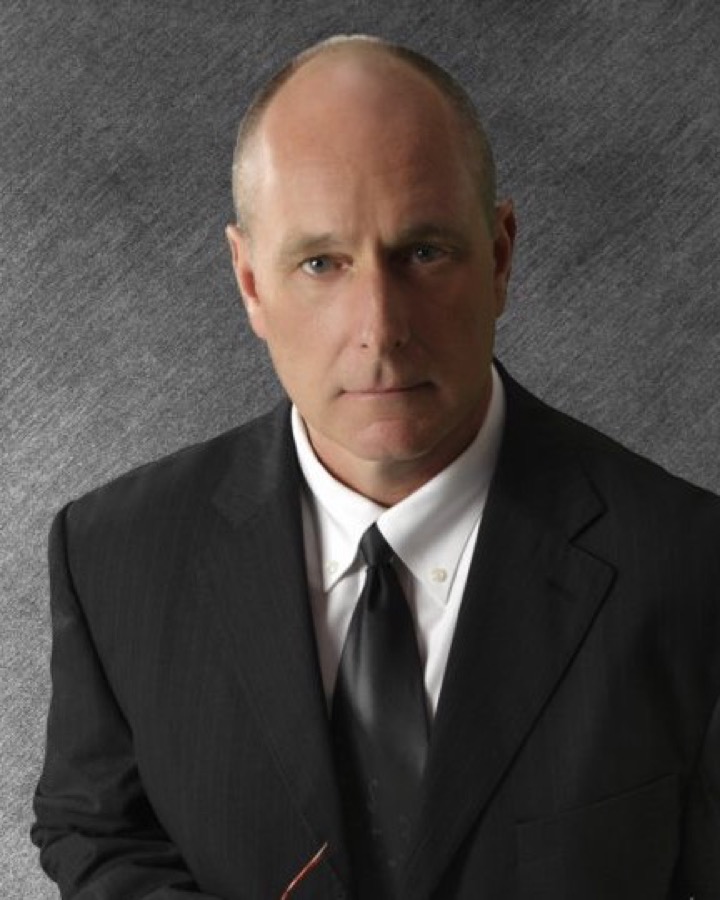 CEO & Owner
Thirty-eight years in four uniforms: street cop, soldier, professor, investigator. More than 220 matters in 42 states and D.C. since 2014, with testimony that has not been excluded at trial in any state or federal court.
Full biography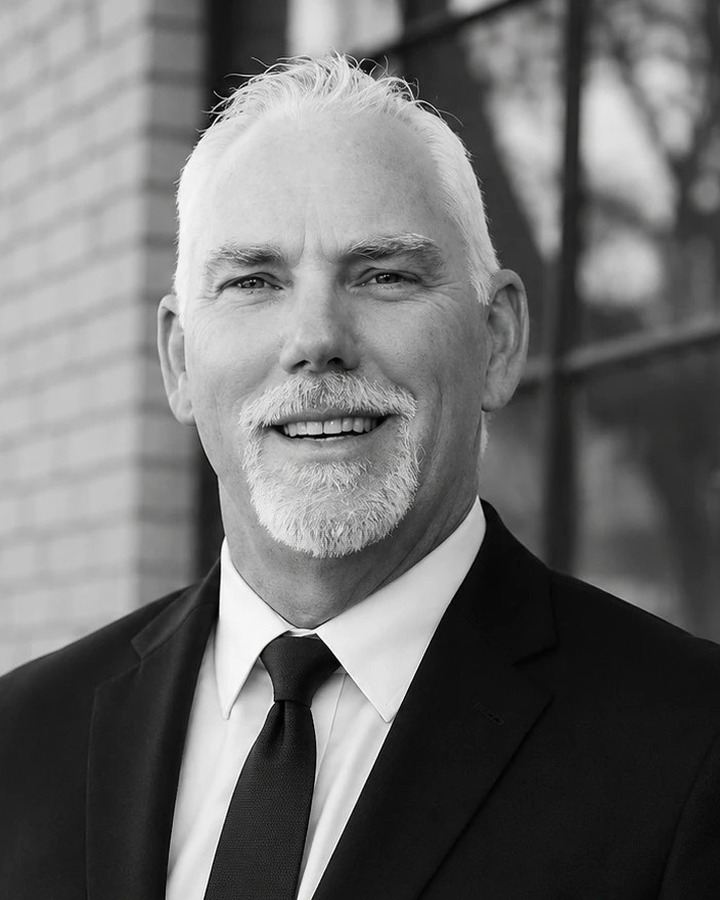 Consultant
More than thirty-five years in public safety: twelve years and three terms as the elected Sheriff of Lewis County, Washington, and six years a commissioner of the state board that sets peace-officer training standards.
Full profile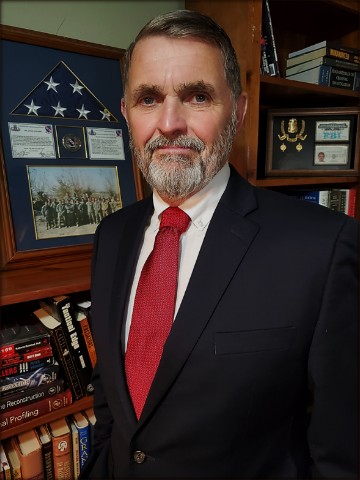 Consultant
Forty years of investigative casework, from patrolman in St. Louis County to the FBI in Chicago, and on to task forces in Afghanistan and Liberia. His work on the Idaho student murders is examined in Broken Plea, the New York Times bestseller by Christopher Whitcomb.
Full profileNever excluded. Professor Gilbertson’s testimony has not been excluded at trial in any state or federal court.
The Hon. Richard A. Jones United States District Judge“Mr. Gilbertson’s qualifications demonstrate extensive experience in policing. His expansive work as a police officer in Georgia, with assignments as a SWAT team officer, juvenile court investigator, school resource officer, stakeout squad officer, senior patrolman, and patrolman; then a career as a tenured college professor and university lecturer teaching criminal justice courses to degree-seeking students at colleges and universities, and as a licensed private investigator conducting felony pretrial investigations for attorneys in Washington State in dozens of criminal cases, makes him unique in the field of police expert witnesses. The Court finds that, based on his experience, Mr. Gilbertson’s testimony can be expected to have a reliable basis in knowledge and experience of police practices.”
A federal cause of action, stated plainly.
42 U.S.C. § 1983 creates a federal cause of action against any person who, acting under color of state law, deprives another of rights secured by the Constitution or by federal law. The statute is a vehicle rather than a source of rights: the underlying right supplies the substance, and the claim takes its shape from that right. In police litigation the familiar shapes are excessive force, false arrest and unlawful search, along with the misconduct theories that travel with them.
Under color of state law is what brings police work inside the statute. An officer acting with the apparent authority of the badge acts under color of law even when the conduct violates department policy, which is why the phrase rarely decides police cases. Claims run against individual officers and, on a separate organizational theory, against the municipality that employs them, and the two theories consume different records.
The common police contexts.
- Excessive force, judged as objective reasonableness on the totality of the circumstances
- False arrest and prolonged detention, turning on what officers knew and when they knew it
- Search claims, from warrantless entries to the manner a warrant was executed
- Failure to intervene while another officer used excessive force
- Fabricated evidence and other misconduct that infects a prosecution
- Municipal liability for policy, custom, training and supervision failures
Where practices testimony fits inside the claim.
The elements of a Section 1983 claim are legal, but several of them are proved or defeated with facts about police practices, and that is where expert testimony enters. The clearest example is force. Under Graham v. Connor, 490 U.S. 386 (1989), force is judged for objective reasonableness: the severity of the crime, the immediacy of the threat, and active resistance or attempted flight, weighed on the totality of the facts and circumstances known to the officer at the time, without hindsight. The practices analysis builds that record: what the officer knew and when, what training and agency policy required, and how the force compares to national standards. The doctrine is unpacked for litigators in Graham v. Connor explained.
The second record is organizational. A municipality is not liable merely because it employs a wrongdoer; under Monell v. Department of Social Services, 436 U.S. 658 (1978), liability attaches to the entity’s own policy, custom or deliberate indifference. That theory runs on training files, supervision and discipline histories, prior incidents and policy revisions, which is the record a practices expert reads closely. What the theory requires and how the record supports it are covered in what a Monell claim is.
The third record is the investigation itself. How the agency investigated the incident, what was collected, who was interviewed and what the review sustained feeds both theories, and a deficient investigation is often where the organizational story first becomes visible. Individual-capacity claims also pass through qualified immunity, which changes what counsel must show; how practices testimony intersects that defense is treated in qualified immunity and the expert.
The three records overlap in discovery. The same training file that supports a Monell theory calibrates the Graham analysis, and the investigation record tests both. Sending the complete record is what lets one analysis serve all three.
What the expert supplies, and what stays with counsel.
The elements, the defenses and the damages are counsel’s. What the expert supplies is the practices record those elements consume: whether the force, the arrest, the search or the investigation met generally accepted police practices, measured against agency policy, officer training and national standards, on the totality of the facts and circumstances. The report does not opine that a defendant is liable or that conduct was unconstitutional. Legal conclusions remain counsel’s; the expert addresses police practices.
That division holds on both sides of the aisle. The same standards apply whether the retention comes from plaintiff’s counsel or from counsel defending an officer or agency, and where the record shows conduct within generally accepted practices, the report says exactly that. How an engagement actually runs, from conflict check through record review to testimony, is laid out on the page for retaining counsel.
An expert opinion phrased as a legal conclusion invites exclusion, and a practices opinion needs none. Accepted-practices vocabulary is what lets the testimony do its work at deposition and trial and hold its ground in the motion practice aimed at removing it.
When the question becomes a retention.
This page is reference. When a live matter needs the analysis, these are the doors.
Asked alongside this one.
Does the expert opine that force was unconstitutional in a Section 1983 case?
Which parts of a Section 1983 case actually use practices testimony?
Is the same expert useful on the defense side of a civil rights claim?
Bring the matter behind the question.
Attorney inquiries are answered directly. If a case presents a conflict, you will hear it immediately.
Inquiry sent.
You will hear back directly. If the matter is urgent, call (239) 571-1840.
Conflicts are checked before any substantive discussion. Please do not send privileged material with a first inquiry; after retention the record is exchanged on physical media. Gregory consults for attorneys and their staff only, and does not provide legal advice or attorney referrals to individuals.