

The first inquiry,
and what belongs in it.
Direct line: (239) 571-1840 · GregoryGilbertson@proton.me
Attorney and law-firm inquiries only
Five facts, no attachments, nothing privileged. A first inquiry built that way gets counsel a fast, useful answer: whether a conflict exists, whether the fit is right, and what retention would look like on the case’s actual calendar.
Three experts. Over 110 years.
Professor Gregory Gilbertson (Ret.), FBI Special Agent Christopher Holland (Ret.), and Sheriff Robert Snaza consult with attorneys nationwide regarding police practices and procedures, use of force, false arrest, police misconduct, criminal, and self-defense casework.
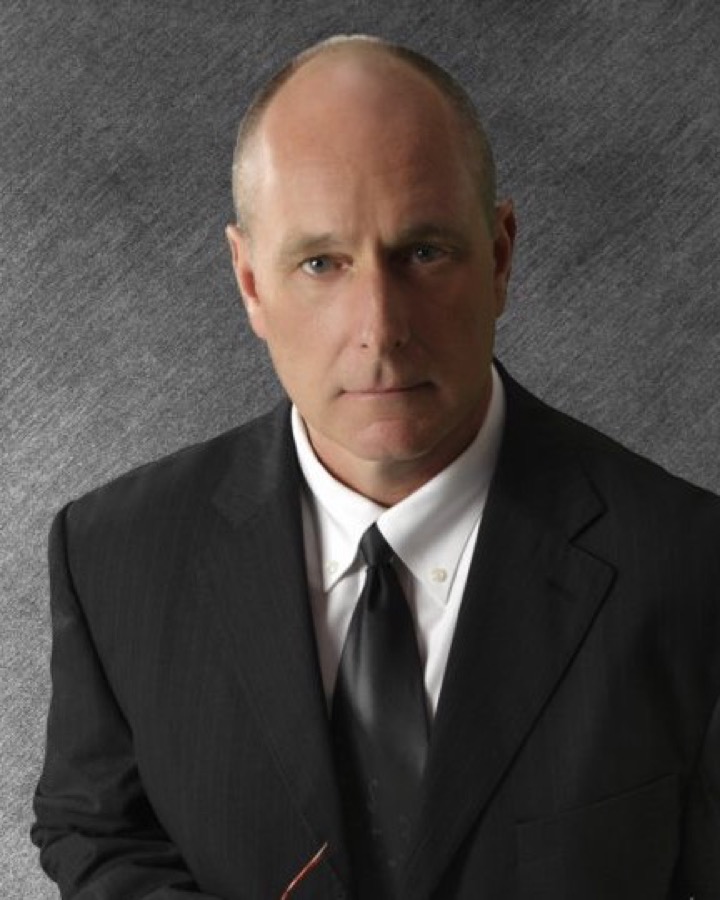 CEO & Owner
Thirty-eight years in four uniforms: street cop, soldier, professor, investigator. More than 220 matters in 42 states and D.C. since 2014, with testimony that has not been excluded at trial in any state or federal court.
Full biography Consultant
More than thirty-five years in public safety: twelve years and three terms as the elected Sheriff of Lewis County, Washington, and six years a commissioner of the state board that sets peace-officer training standards.
Full profile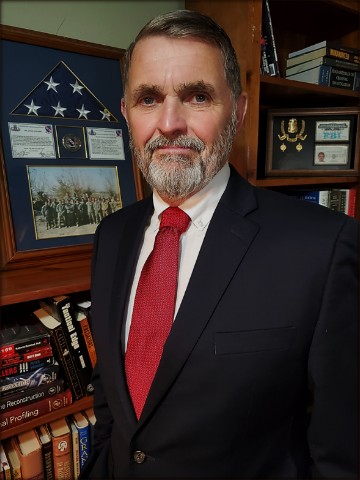 Consultant
Forty years of investigative casework, from patrolman in St. Louis County to the FBI in Chicago, and on to task forces in Afghanistan and Liberia. His work on the Idaho student murders is examined in Broken Plea, the New York Times bestseller by Christopher Whitcomb.
Full profileNever excluded. Professor Gilbertson’s testimony has not been excluded at trial in any state or federal court.
The Hon. Richard A. Jones United States District Judge“Mr. Gilbertson’s qualifications demonstrate extensive experience in policing. His expansive work as a police officer in Georgia, with assignments as a SWAT team officer, juvenile court investigator, school resource officer, stakeout squad officer, senior patrolman, and patrolman; then a career as a tenured college professor and university lecturer teaching criminal justice courses to degree-seeking students at colleges and universities, and as a licensed private investigator conducting felony pretrial investigations for attorneys in Washington State in dozens of criminal cases, makes him unique in the field of police expert witnesses. The Court finds that, based on his experience, Mr. Gilbertson’s testimony can be expected to have a reliable basis in knowledge and experience of police practices.”
What a first inquiry needs.
An expert cannot say anything useful about a case he knows nothing about, and counsel should not say anything substantive to an expert who has not cleared conflicts. The first inquiry threads that needle, and five facts are enough to do it.
- Case type and posture: use of force, false arrest, misconduct, deficient investigation, self-defense or criminal-defense support, and where the case stands, from pre-suit to post-conviction
- Jurisdiction and case number: which court, state or federal, and the caption identifier if suit has been filed
- Key deadlines: expert disclosure and trial, plus anything nearer that shapes the calendar
- What the record holds so far: video, reports, statements, depositions, training files, in inventory terms only
- The parties: every named party and involved agency, so the conflict check can run
Notice what is absent: argument, strategy, work product and attachments. The inquiry describes the case from the outside, the way a docket entry would. A tight paragraph is usually enough, and the posture and deadline lines matter more than attorneys tend to expect, because timing is the first thing an expert has to price against the published schedule.
Why each item is on the list.
Case type and posture.
Case type places the matter inside the practice: use of force, false arrest and search, police misconduct, deficient investigations, failure to train, self-defense, criminal-defense support. Posture places it on the calendar, and the calendar drives everything from report timing to whether a merit evaluation or a rebuttal report is the right first engagement. One line covers both, and the timing consequences are mapped in when to retain a police practices expert.
Jurisdiction and case number.
Which court, state or federal, and the caption number if suit has been filed. Jurisdiction tells the expert where testimony would happen and which court’s rules govern the engagement’s paper; the case number keeps the matter unambiguous from the first email onward, which matters more than it sounds once several inquiries touch the same agency.
Key deadlines.
Expert disclosure and trial, plus anything nearer. Deadlines are the first thing an expert must price: reports require sixty days of advance notice, reports required in less than sixty days incur a 25% upcharge, and work begins once discovery has been received on physical media. A deadline stated in the first email produces an honest feasibility answer in the reply, instead of a discovery of the problem after retention.
What the record holds so far.
An inventory, not the records themselves: body-worn or dash video, police reports, witness statements, depositions taken, training or disciplinary files already produced. The inventory tells the expert whether the record is reviewable yet and what a review would ask of the retainer hours, and it often tells counsel, in the writing of it, what is still missing from the file.
The parties.
Every named party and involved agency. This is the one item that gates all the others, because conflicts are checked before anything substantive is discussed, and the check runs on names. It gets its own section below.
The five items also shape the reply. Case type and posture produce a fit read against the practice areas. Deadlines produce a feasibility answer measured against the sixty-day report standard. The record inventory produces a view on whether review can begin or should wait for production. And the parties list produces the conflicts answer that gates all of it. A first inquiry that carries all five gets a response counsel can act on; one that omits them gets a request for the missing items first.
Nothing privileged, and never by email.
The rule protects counsel, not the expert: send nothing privileged with a first inquiry, and never send privileged material by email at any stage. Until a conflict check clears and retention is confirmed in writing, no expert relationship exists, and anything counsel shared has traveled outside the case team. Keeping the first inquiry unprivileged means a conflict costs counsel nothing but the minutes it took to write.
How discovery and privilege rules treat expert communications varies with jurisdiction, rule and the form of retention, and those questions belong to counsel. The practice’s rule simply removes the occasion for them: substantive material moves only after retention, and only on physical media, a computer flash drive or external hard drive by mail or courier. Dropbox and similar online sharing services are not used, and nothing substantive rides in an inbox.
Physical media also settles two practical questions email never answers well: completeness and custody. A drive holds the entire production in one place, arrives once, and can be indexed against counsel’s transmittal letter, so both sides of the engagement know exactly what was sent and when. A video-heavy record travels better that way than as a scatter of links and attachments across weeks of correspondence, and the sixty-day report clock starts on a defined event: the day the media arrives.
The same discipline runs in reverse: before retention, counsel gets no opinions, no preliminary reads, no reactions to the facts. Anything worth saying about a record is worth saying inside a confirmed engagement, where it belongs.
Why the parties list matters most.
Of the five items, the parties list is the one counsel most often omits, and the one that gates everything else. Conflicts are checked before any substantive discussion, on every engagement without exception, and the check needs names: the parties in the caption and the agencies involved. If a matter presents a conflict, counsel hears it immediately, before anything substantive has been said in either direction.
The check is not a formality in this practice, because retention comes from both sides: plaintiff’s counsel in civil rights matters, the criminal defense bar, and counsel defending officers and agencies. A practice that works both sides has to take its conflict discipline seriously, and the discipline is the same whether the inquiry involves a metropolitan agency or a three-officer department. What the check covers, and what happens when it finds something, is walked through in what happens in a conflict check.
What happens next, in order.
A first inquiry that carries the five facts starts a short, defined sequence. Nothing in it is mysterious, and nothing substantive happens out of order.
- The conflict check runs first, against the parties and agencies counsel listed
- Counsel hears the answer immediately: clear, or conflicted and closed
- Scope and fee are stated against the published schedule, and retention is confirmed in writing
- The record ships on physical media, and the sixty-day report clock starts when it arrives
What belongs in that shipment is its own discipline: the full documentary and video record, assembled by counsel’s staff with the irrelevant excluded. The published checklist is at the discovery file counsel assembles, and the related question of whether a partial record is workable is treated at does the expert need the complete record.
None of this carries a fee. The first inquiry, the conflict check it triggers, and the fit conversation that follows are free, and fees begin only at retention, on the published schedule. Counsel deciding between experts can therefore run the inquiry step with more than one practice at no cost, and should: the speed and specificity of the answers is itself information about how the engagement would run.
The practice consults for attorneys and their staff, on both sides of civil and criminal police cases. Legal conclusions remain counsel’s from the first email onward; the expert addresses police practices, and a first inquiry built the way this page describes is where that division of labor starts.
When the question becomes a retention.
This page is reference. When a live matter needs the analysis, these are the doors.
Asked alongside this one.
What should a first email to an expert witness include?
Can counsel send the case file with a first inquiry?
How quickly does counsel find out about a conflict?
What does retention cost?
Bring the matter behind the question.
Attorney inquiries are answered directly. If a case presents a conflict, you will hear it immediately.
Inquiry sent.
You will hear back directly. If the matter is urgent, call (239) 571-1840.
Conflicts are checked before any substantive discussion. Please do not send privileged material with a first inquiry; after retention the record is exchanged on physical media. Gregory consults for attorneys and their staff only, and does not provide legal advice or attorney referrals to individuals.