

Trial testimony, nationwide.
The travel terms, published.
Direct line: (239) 571-1840 · GregoryGilbertson@proton.me
Attorney and law-firm inquiries only
Out-of-town trial testimony is where expert budgets usually surprise counsel. This page states the published travel terms in full: the door-to-door day rate, what gets prepaid and when, the refund if the case settles first, and what the testimony itself is built on.
Three experts. Over 110 years.
Professor Gregory Gilbertson (Ret.), FBI Special Agent Christopher Holland (Ret.), and Sheriff Robert Snaza consult with attorneys nationwide regarding police practices and procedures, use of force, false arrest, police misconduct, criminal, and self-defense casework.
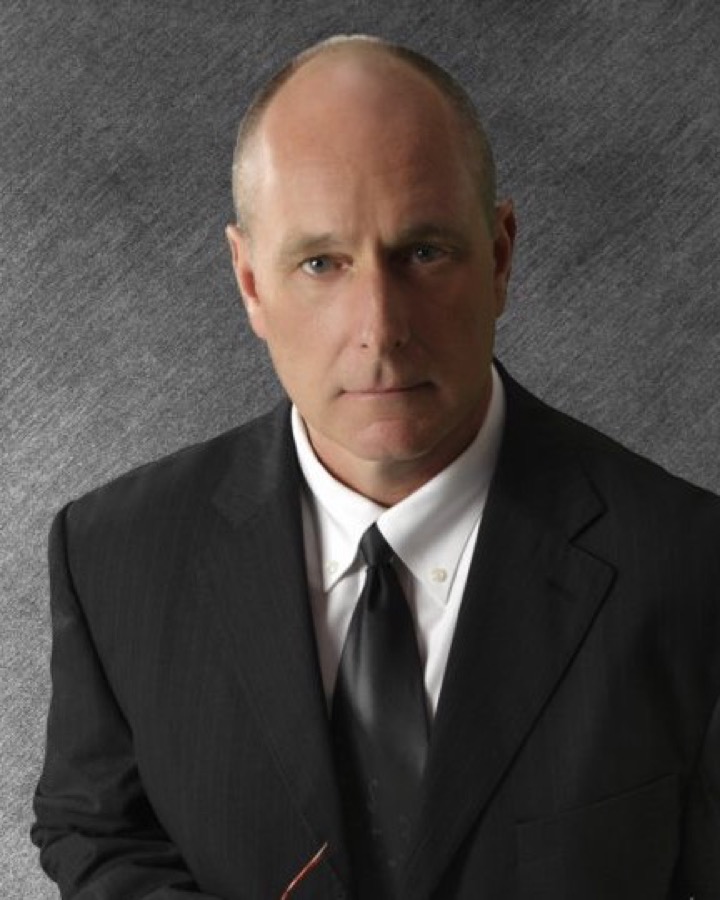 CEO & Owner
Thirty-eight years in four uniforms: street cop, soldier, professor, investigator. More than 220 matters in 42 states and D.C. since 2014, with testimony that has not been excluded at trial in any state or federal court.
Full biography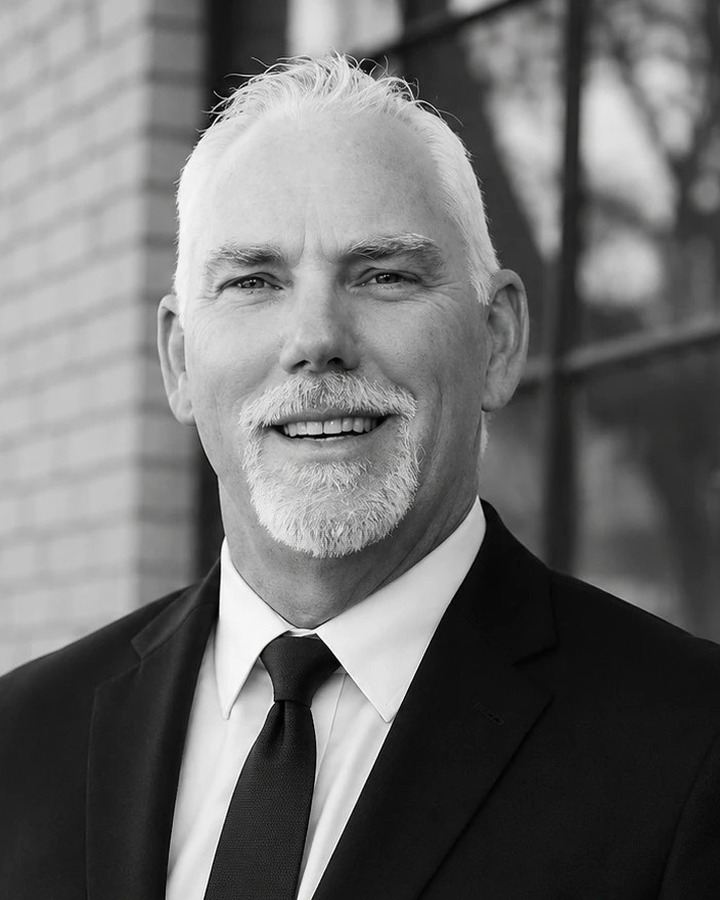 Consultant
More than thirty-five years in public safety: twelve years and three terms as the elected Sheriff of Lewis County, Washington, and six years a commissioner of the state board that sets peace-officer training standards.
Full profile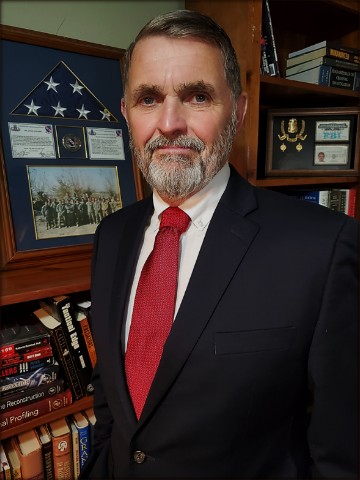 Consultant
Forty years of investigative casework, from patrolman in St. Louis County to the FBI in Chicago, and on to task forces in Afghanistan and Liberia. His work on the Idaho student murders is examined in Broken Plea, the New York Times bestseller by Christopher Whitcomb.
Full profileNever excluded. Professor Gilbertson’s testimony has not been excluded at trial in any state or federal court.
The Hon. Richard A. Jones United States District Judge“Mr. Gilbertson’s qualifications demonstrate extensive experience in policing. His expansive work as a police officer in Georgia, with assignments as a SWAT team officer, juvenile court investigator, school resource officer, stakeout squad officer, senior patrolman, and patrolman; then a career as a tenured college professor and university lecturer teaching criminal justice courses to degree-seeking students at colleges and universities, and as a licensed private investigator conducting felony pretrial investigations for attorneys in Washington State in dozens of criminal cases, makes him unique in the field of police expert witnesses. The Court finds that, based on his experience, Mr. Gilbertson’s testimony can be expected to have a reliable basis in knowledge and experience of police practices.”
One day rate, clocked from flight to flight.
Out-of-town trial testimony is billed at $2,400 for each 24-hour period absent from home, which is $100 per hour. The clock starts three hours before the scheduled departure flight and ends three hours after the return flight lands. The rate covers the full period absent from home, whatever the day holds: the travel itself, the waiting, preparation on site, and time on the stand.
Estimated fees and expenses are paid seven days before travel. If the case settles before departure, the payment is refunded in full. Those two terms work together: counsel can hold the expert on the trial calendar through final negotiations without gambling the travel budget on settlement timing.
Longer appearances bill the same way: each additional 24-hour period absent from home bills at the same $2,400, so counsel can price a multi-day appearance from the calendar before the trip exists. For engagements within driving distance, driving time is billed at $100 per hour plus the federal mileage rate, so a regional courthouse trip is not billed like a flight.
What counsel prepays, and what it buys.
Travel expenses are pre-paid by retaining counsel, and every line is published in advance rather than reconciled after the fact.
- Airfare: American Airlines Premium Economy.
- Lodging: within walking distance of the courthouse.
- Ground transportation: pre-paid alongside airfare and lodging.
- Meals and miscellaneous expenses: $100 per day.
- Driving engagements: $100 per hour of driving time plus the federal mileage rate.
The lodging term is a trial-practice choice, not a comfort choice. An expert within walking distance of the courthouse is immune to morning traffic, parking failures and the other small disasters that make witnesses late for the stand. The published cabin class serves the same end: a witness who testifies the day after a cross-country flight should not prepare for cross-examination in a middle seat.
The lines are deliberately modest. A premium economy seat and a walkable hotel are the professional minimum for arriving rested, prepared and on time, and every line is visible to retaining counsel before anything is paid. Prepayment also removes the reimbursement chase that sours expert relationships mid-trial: no receipts arrive with the invoice for counsel to contest after the verdict.
Estimated fees and expenses for the trip are calculated with retaining counsel and paid seven days before travel. If the case settles before departure, the estimate comes back in full, expenses included.
Why the clock runs flight to flight.
The period is defined by the flight schedule, not by courtroom hours. A day rate defined by a clock is auditable. Counsel can take the flight times from the itinerary, add three hours to each end, and arrive at the same number the invoice shows. There is no judgment call to dispute and no padding to suspect, and opposing counsel examining costs sees the same arithmetic.
The alternative structures counsel encounter, flat appearance fees plus separately billed travel hours plus item-by-item expense reconciliation, produce invoices that have to be negotiated after the trip. A single published rate per 24-hour period, with expenses prepaid, means the total is known before anything is booked, which is what a trial budget actually needs.
The refund term completes the design. Cases settle close to trial, sometimes days before openings, and that possibility should not be a billing event. Because the prepaid estimate is refunded in full if the case settles before departure, counsel pressing for settlement in the final week is not weighing the negotiation against a sunk travel bill.
How a trial appearance actually runs.
Trial schedules move. Witnesses get resequenced, arguments run long, a morning slot becomes an afternoon slot, and the out-of-town witness absorbs the drift. The published structure is built for that: because billing runs per 24-hour period absent from home rather than per appearance, a testimony slot that slips a half day does not reopen the fee conversation. The clock simply runs, visibly, at the same rate, and counsel does not need to negotiate contingency terms for schedule risk; the published rate already is the contingency structure.
Coordination happens ahead of the trip. The flight window is set with retaining counsel around the court’s schedule, the estimate for fees and expenses is agreed and paid seven days before travel, and lodging within walking distance of the courthouse means the morning of testimony has as few moving parts as possible.
Availability on site is part of what the day rate purchases. An expert absent from home is working the case: final preparation with counsel, review of the testimony file, and presence when the court’s schedule changes on an hour’s notice.
What the testimony itself is built on.
The travel exists to deliver testimony, and the testimony record is public. Professor Gilbertson’s testimony has been admitted in the state courts of Washington, Oregon, Kansas, Connecticut, Florida and Illinois, and in three U.S. District Courts; the full list sits under testimony on the homepage, and his testimony has not been excluded at trial in any state or federal court.
Trial testimony is the end of a chain that starts months earlier: the complete record received on physical media, the report served under the disclosure rules, the deposition taken on the published terms. By the time a jury hears an opinion, it has usually already survived cross-examination once; how those examinations run is covered in how expert depositions run.
On the stand, the discipline is the one the report follows: opinions stated in plain language a juror can follow, sourced to the record, held inside police practices. Legal conclusions remain counsel’s; the expert addresses what generally accepted police practices required and what the record shows. A career spent teaching criminal justice to students meeting the material for the first time turns out to be useful preparation for explaining the same standards to twelve jurors.
Credibility at trial also rests on the retention pattern. Professor Gilbertson is retained by plaintiff’s counsel in civil rights matters, by the criminal defense bar, and by counsel defending officers and agencies, and the analysis applies the same standards whichever party retains him. When cross-examination asks the usual question about working for one side, the record answers it. Counsel weighing remote alternatives should note the distinction the schedule draws: depositions are taken by Zoom on the published deposition terms, but trial testimony is delivered in person, nationwide, because the jury weighs the witness as much as the words.
Budgeting the trial appearance without surprises.
Counsel budgeting a trial appearance needs three numbers and two dates. The numbers: the day rate of $2,400 per 24-hour period, the prepaid expense lines above, and any remaining professional time under the engagement’s hourly terms. The dates: seven days before travel, when estimated fees and expenses are due, and the departure itself, the point after which settlement no longer triggers the refund.
The trial line is one row of a schedule published in full, retainer through deposition, and reading it whole is the fastest way to budget a case end to end; the schedule is walked through in police expert witness fees explained. Distance changes logistics, not method: how a nationwide practice actually covers a courtroom two time zones away is treated in what jurisdictions a nationwide expert covers.
Two upstream rules protect the trial date. Expert reports require sixty days of advance notice, so the report the testimony rests on is planned early rather than assembled under deadline pressure. And depositions are paid in full seven days before the examination under the published deposition terms. A trial appearance that surprises the budget usually traces to a retention that started late, not to the travel terms.
Engagements are accepted in plaintiff and defense matters where counsel expects attorney fees to meet or exceed $250,000. A case that supports the engagement supports its trial budget.
When the question becomes a retention.
This page is reference. When a live matter needs the analysis, these are the doors.
Asked alongside this one.
What do expert witness travel fees cost for out-of-town trial testimony?
What happens to prepaid trial fees if the case settles before trial?
Does Professor Gilbertson travel for trial testimony nationwide?
What does retention cost?
Bring the matter behind the question.
Attorney inquiries are answered directly. If a case presents a conflict, you will hear it immediately.
Inquiry sent.
You will hear back directly. If the matter is urgent, call (239) 571-1840.
Conflicts are checked before any substantive discussion. Please do not send privileged material with a first inquiry; after retention the record is exchanged on physical media. Gregory consults for attorneys and their staff only, and does not provide legal advice or attorney referrals to individuals.