

Retained in 42 states.
What nationwide means.
Direct line: (239) 571-1840 · GregoryGilbertson@proton.me
Attorney and law-firm inquiries only
The practice is nationwide: more than 220 civil rights and criminal matters across 42 states and the District of Columbia, run from Naples, Florida. This page explains what jurisdiction means for a police practices expert, how an out-of-state retention actually runs, and where a state line does change the analysis.
Three experts. Over 110 years.
Professor Gregory Gilbertson (Ret.), FBI Special Agent Christopher Holland (Ret.), and Sheriff Robert Snaza consult with attorneys nationwide regarding police practices and procedures, use of force, false arrest, police misconduct, criminal, and self-defense casework.
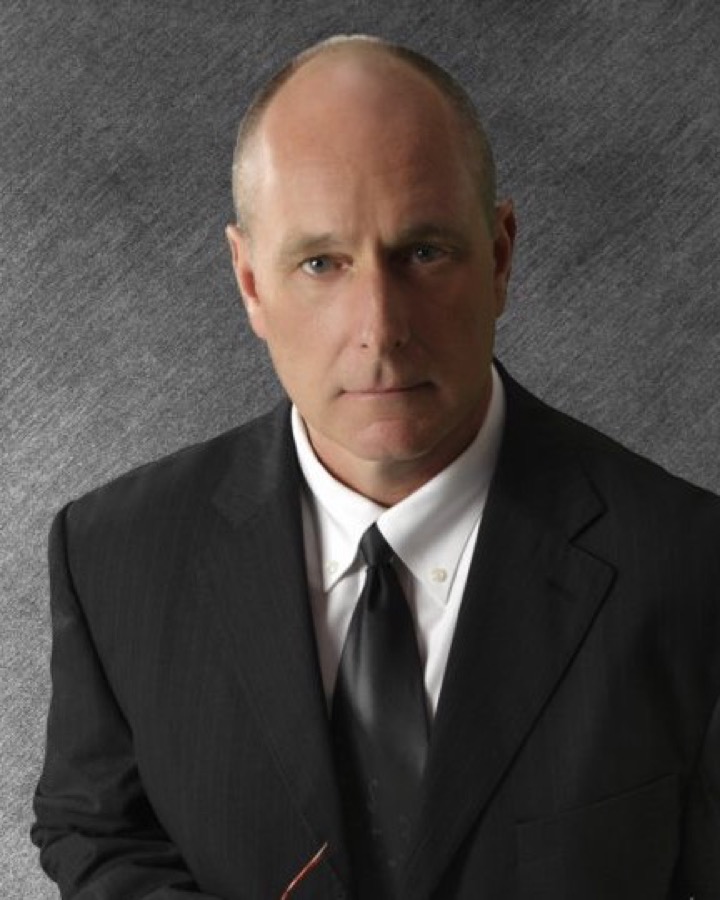 CEO & Owner
Thirty-eight years in four uniforms: street cop, soldier, professor, investigator. More than 220 matters in 42 states and D.C. since 2014, with testimony that has not been excluded at trial in any state or federal court.
Full biography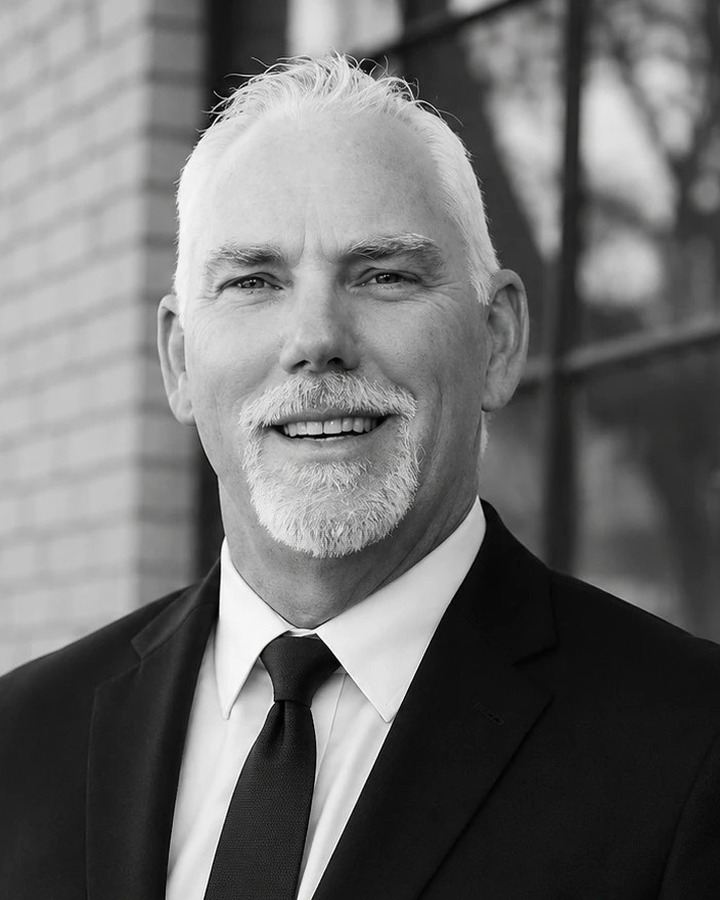 Consultant
More than thirty-five years in public safety: twelve years and three terms as the elected Sheriff of Lewis County, Washington, and six years a commissioner of the state board that sets peace-officer training standards.
Full profile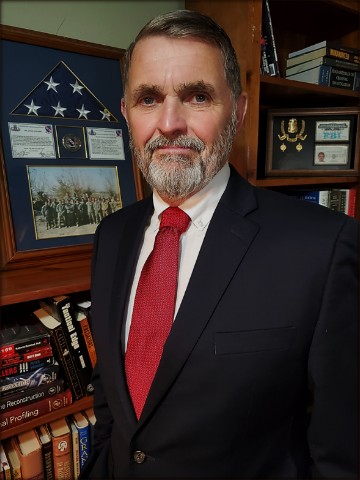 Consultant
Forty years of investigative casework, from patrolman in St. Louis County to the FBI in Chicago, and on to task forces in Afghanistan and Liberia. His work on the Idaho student murders is examined in Broken Plea, the New York Times bestseller by Christopher Whitcomb.
Full profileNever excluded. Professor Gilbertson’s testimony has not been excluded at trial in any state or federal court.
The Hon. Richard A. Jones United States District Judge“Mr. Gilbertson’s qualifications demonstrate extensive experience in policing. His expansive work as a police officer in Georgia, with assignments as a SWAT team officer, juvenile court investigator, school resource officer, stakeout squad officer, senior patrolman, and patrolman; then a career as a tenured college professor and university lecturer teaching criminal justice courses to degree-seeking students at colleges and universities, and as a licensed private investigator conducting felony pretrial investigations for attorneys in Washington State in dozens of criminal cases, makes him unique in the field of police expert witnesses. The Court finds that, based on his experience, Mr. Gilbertson’s testimony can be expected to have a reliable basis in knowledge and experience of police practices.”
Where the practice has been retained.
Jurisdiction means something different for an expert than it does for counsel. An expert is not admitted to a bar and does not appear pro hac vice. The expert is retained by counsel who is admitted, and the court that matters is whichever court is hearing the case. What a nationwide practice describes is reach: the forums the witness has already worked in, and the terms on which the witness will appear in the next one.
The expert practice has run since 2014. Professor Gilbertson has been retained in more than 220 civil rights and criminal matters across 42 states and the District of Columbia. The office is in Naples, Florida, and the location of the office has no bearing on where a case sits; trial testimony is offered nationwide on the published travel terms.
Retention and testimony are two different records, and counsel should read them separately. Testimony has been admitted in the state courts of Washington, Oregon, Kansas, Connecticut, Florida and Illinois, and in the U.S. District Courts for the Western District of Washington, the District of Arizona, and the Western District of Louisiana. The admitting courts are listed alongside the ruling that examined the qualifications, and the guide to matters and venues sets out how the caseload distributes.
A state where the practice has not yet been retained is neither a disqualification nor a novelty problem. The standards applied are national, the record is the record, and the analysis does not acquire a local accent when it crosses a border.
How an out-of-state retention actually runs.
Distance shows up in logistics, not in method. Every engagement opens with a conflict check before anything substantive is discussed, and the first inquiry carries case type and posture, jurisdiction and case number, key deadlines, what the record holds so far, and the parties on all sides for that check. Nothing privileged travels with a first inquiry, and privileged material is never exchanged by email.
After retention the record travels on physical media: a computer flash drive or an external hard drive, by mail or courier. Online sharing services are not used, so the file arrives the same way whether counsel is an hour away or three time zones away. Work begins once the discovery has been received.
Depositions are taken by Zoom or a similar platform, so opposing counsel’s location rarely creates a scheduling problem and no one buys a plane ticket to ask questions. How expert depositions run covers the preparation hours, the examination clock, and the advance-payment term.
Trial is where distance becomes a line item, and it is clocked to the flight schedule rather than estimated. Out-of-town trial testimony is billed at $2,400 for each 24-hour period absent from home, beginning three hours before the scheduled departure flight and ending three hours after the return flight lands. Airfare, lodging and ground transportation are pre-paid by retaining counsel. Estimated fees and expenses are paid seven days before travel and refunded in full if the case settles before departure, which is the term that makes a distant trial date budgetable. The trial and travel guide sets out the rest.
What distance does not change
- The conflict check still runs before any substantive discussion of the matter.
- The record still arrives on physical media, assembled by counsel from the published discovery list.
- The analysis still measures the record against national standards on the totality of the facts and circumstances.
- The report still carries the same sourcing, and the published fee schedule is the one that applies.
National standards, local law.
Police practices standards do not stop at a state line. What counts as generally accepted practice is informed by national sources: IACP model policies, the research and guidance of PERF and NIJ, CALEA accreditation, IADLEST and the National Decertification Index, the training requirements POST commissions impose, and the academy, field training and in-service curricula agencies actually deliver. Departments in different states train from a common body of practice, and the analysis measures conduct against it.
Federal constitutional framing is equally portable. Use-of-force questions run through Graham v. Connor, 490 U.S. 386 (1989), which anchors the assessment to what the officer knew at the moment force was used and forbids hindsight. A claim brought under 42 U.S.C. § 1983 asks the same questions in one district court as in another, and Graham does not read differently for being briefed in a different courthouse.
What does change at the state line is law, and that ground is counsel’s. State statutes on arrest, detention and force, state jury instructions, the controlling case law of the circuit and of the state’s appellate courts, and the involved agency’s own policy all vary. Those differences frame the questions an expert is asked and supply the policy that gets measured; they do not change the standards the analysis applies. Legal conclusions remain counsel’s, and the opinions stay on police practices.
The consequence for counsel screening experts is worth stating plainly. Familiarity with a particular courthouse is a convenience, not a qualification. What survives a challenge under Fed. R. Evid. 702 is method: the complete record, national standards, opinions sourced to what is actually in the file, and an expert who defers to qualified experts in scientific, medical and technical disciplines rather than wandering into them.
When the question becomes a retention.
This page is reference. When a live matter needs the analysis, these are the doors.
The state pages, one per jurisdiction in the file.
Each page lists that state's matters in the practice file, the results published for it, and the courts where testimony has been admitted there.
Asked alongside this one.
Must a police practices expert be admitted in the state where the case is pending?
Where has testimony been admitted, as opposed to where has the expert been retained?
Does an out-of-state case change the fee schedule?
Bring the matter behind the question.
Attorney inquiries are answered directly. If a case presents a conflict, you will hear it immediately.
Inquiry sent.
You will hear back directly. If the matter is urgent, call (239) 571-1840.
Conflicts are checked before any substantive discussion. Please do not send privileged material with a first inquiry; after retention the record is exchanged on physical media. Gregory consults for attorneys and their staff only, and does not provide legal advice or attorney referrals to individuals.