

When the record says no,
counsel hears it early.
Direct line: (239) 571-1840 · GregoryGilbertson@proton.me
Attorney and law-firm inquiries only
It happens, and it is handled the same way every time: plainly, early, and on the record counsel actually has. Where the record shows an officer acted within generally accepted police practices, the report says so. The same discipline runs the other way in defense retentions. Here is how an unfavorable read is handled, and what it is worth.
Three experts. Over 110 years.
Professor Gregory Gilbertson (Ret.), FBI Special Agent Christopher Holland (Ret.), and Sheriff Robert Snaza consult with attorneys nationwide regarding police practices and procedures, use of force, false arrest, police misconduct, criminal, and self-defense casework.
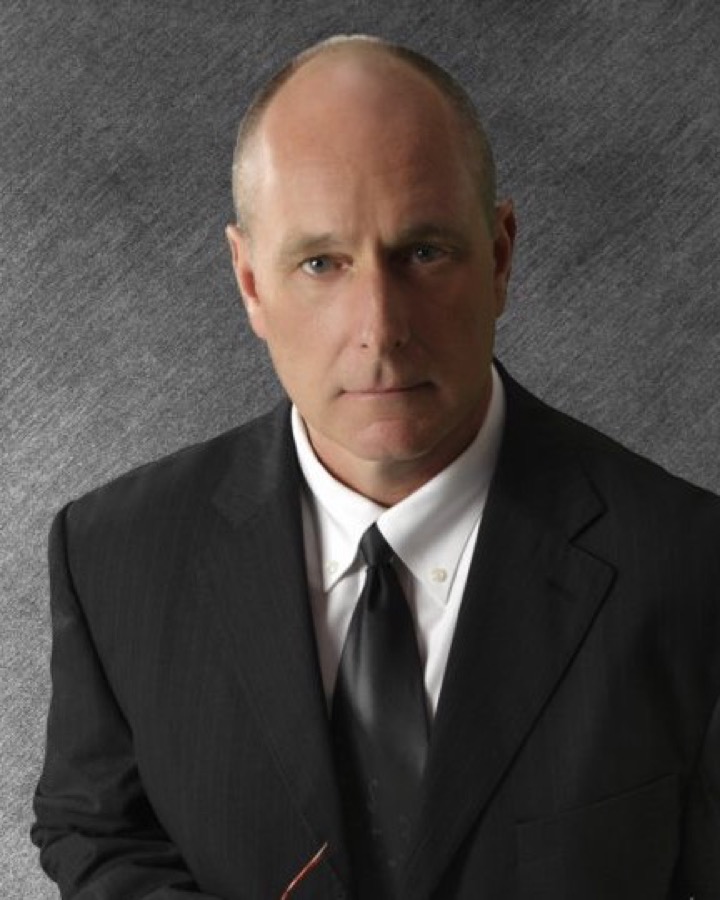 CEO & Owner
Thirty-eight years in four uniforms: street cop, soldier, professor, investigator. More than 220 matters in 42 states and D.C. since 2014, with testimony that has not been excluded at trial in any state or federal court.
Full biography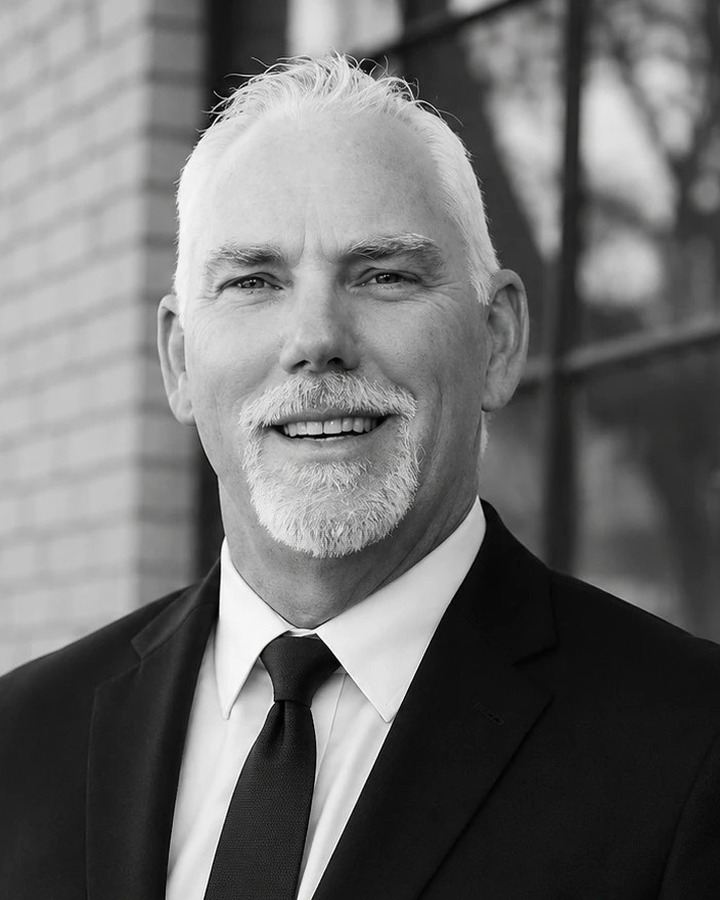 Consultant
More than thirty-five years in public safety: twelve years and three terms as the elected Sheriff of Lewis County, Washington, and six years a commissioner of the state board that sets peace-officer training standards.
Full profile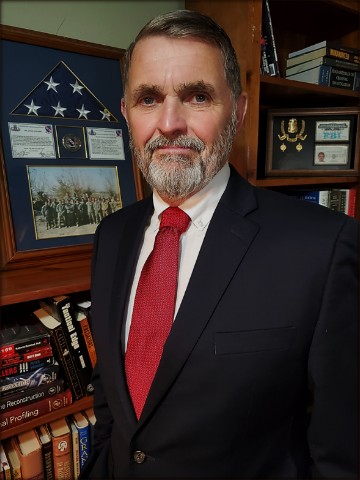 Consultant
Forty years of investigative casework, from patrolman in St. Louis County to the FBI in Chicago, and on to task forces in Afghanistan and Liberia. His work on the Idaho student murders is examined in Broken Plea, the New York Times bestseller by Christopher Whitcomb.
Full profileNever excluded. Professor Gilbertson’s testimony has not been excluded at trial in any state or federal court.
The Hon. Richard A. Jones United States District Judge“Mr. Gilbertson’s qualifications demonstrate extensive experience in policing. His expansive work as a police officer in Georgia, with assignments as a SWAT team officer, juvenile court investigator, school resource officer, stakeout squad officer, senior patrolman, and patrolman; then a career as a tenured college professor and university lecturer teaching criminal justice courses to degree-seeking students at colleges and universities, and as a licensed private investigator conducting felony pretrial investigations for attorneys in Washington State in dozens of criminal cases, makes him unique in the field of police expert witnesses. The Court finds that, based on his experience, Mr. Gilbertson’s testimony can be expected to have a reliable basis in knowledge and experience of police practices.”
The opinion follows the record, not the retention.
A practices opinion is measured against national standards and the complete record, on the totality of the facts and circumstances, and it does not change with the party who retains it. Professor Gilbertson is retained by plaintiff’s counsel, by the criminal defense bar, and by counsel defending officers and agencies, and the same standards apply in every posture. Where a plaintiff’s-side record shows the officers did what generally accepted police practices required, the report says so. Where a defense-side record shows practices were not followed, that is said too, just as plainly.
That symmetry is not a hazard of the retention; it is the value of it. An expert whose opinions always favor the side that retained him is impeachable with that fact alone, and opposing counsel will find it. Opinions carry weight at deposition and trial precisely because the no exists and has been delivered on both sides of the aisle. Throughout, the division of labor holds: the expert addresses police practices, and legal conclusions, including what to do with an unfavorable read, remain counsel’s.
Plainly also means plainly. An unfavorable read is delivered to counsel directly, in the same practices vocabulary a favorable report would use, tied to the specific parts of the record that drove it. Counsel is never left to infer a problem from a hedge, a delay, or a suddenly cautious phone call.
An early no is cheap. A late no is expensive.
The cost of an unfavorable read is set almost entirely by when it arrives. Before filing, it is a case-merit evaluation before filing doing exactly what it is for: counsel learns whether a practices opinion will support the theory before the complaint commits to it, while declining the case, narrowing it, or repricing it are all still cheap options.
After expert disclosure, the same read is a different event. A disclosed testifying expert whose analysis cannot support the theory leaves counsel with deadlines spent and few moves left. That is the standing argument for starting sensitive matters in a consulting posture: consulting and testifying retentions differ in what must be disclosed, and an early consulting read lets counsel absorb a hard answer while the case can still change shape. It is also how the practice prefers to meet a close case, because it gives the honest answer room to be useful.
The timing never changes the answer, only its price. The report says what the record supports on the day it is written. The only variable counsel controls is how early that day comes.
What an unfavorable read still buys.
An honest no is not the absence of work product; it is the work product. By the time the read is delivered, the record has been worked, and counsel leaves with the case’s practices problems mapped before the other side maps them. Nothing about that work is wasted; it simply answers a different question than the one counsel hoped to ask.
- The specific practices issues an opposing expert will find, identified before that expert is ever retained.
- Which theories the record can support and which it cannot, while the pleadings can still reflect the difference.
- Where the video, the timeline and the written reports cut against the narrative, and how a cross-examination will use them.
- A grounded input for mediation and settlement posture, in place of optimism.
- In defense retentions, the mirror image: the agency’s weakest ground, located before plaintiff’s counsel finds it.
- A record of having asked the hard question early, which reads well in every later conversation about the case.
None of this promises an outcome; no engagement does, and retaining counsel remains responsible for what the case does with the read. What the discipline replaces is the most expensive version of the same news: learning the record’s weaknesses from the other side’s expert, after disclosure, on the clock.
When the question becomes a retention.
This page is reference. When a live matter needs the analysis, these are the doors.
Asked alongside this one.
Does the report say so when the record favors the officers?
What should counsel do when an unfavorable read looks likely?
Is an unfavorable consulting opinion disclosed to the other side?
Bring the matter behind the question.
Attorney inquiries are answered directly. If a case presents a conflict, you will hear it immediately.
Inquiry sent.
You will hear back directly. If the matter is urgent, call (239) 571-1840.
Conflicts are checked before any substantive discussion. Please do not send privileged material with a first inquiry; after retention the record is exchanged on physical media. Gregory consults for attorneys and their staff only, and does not provide legal advice or attorney referrals to individuals.