

The deposition fee,
and who pays it.
Direct line: (239) 571-1840 · GregoryGilbertson@proton.me
Attorney and law-firm inquiries only
The deposition schedule is published before any notice is served: a $3,500 flat fee per expert covering preparation and five hours of examination, and payment in full seven days out. Which party ultimately bears the cost is a question of rules and agreements in each case, and that question belongs to counsel.
Three experts. Over 110 years.
Professor Gregory Gilbertson (Ret.), FBI Special Agent Christopher Holland (Ret.), and Sheriff Robert Snaza consult with attorneys nationwide regarding police practices and procedures, use of force, false arrest, police misconduct, criminal, and self-defense casework.
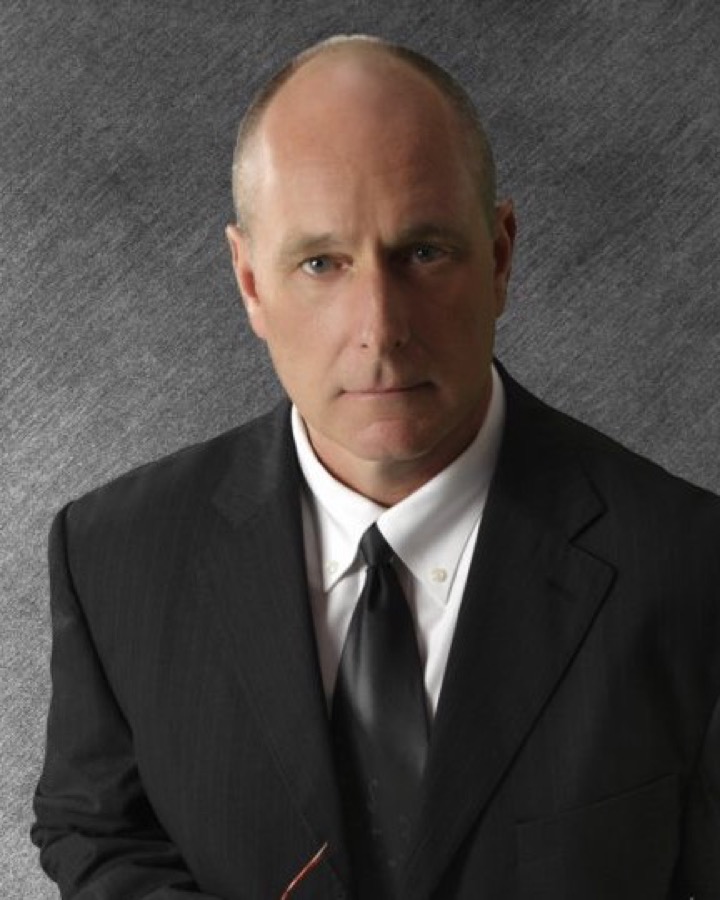 CEO & Owner
Thirty-eight years in four uniforms: street cop, soldier, professor, investigator. More than 220 matters in 42 states and D.C. since 2014, with testimony that has not been excluded at trial in any state or federal court.
Full biography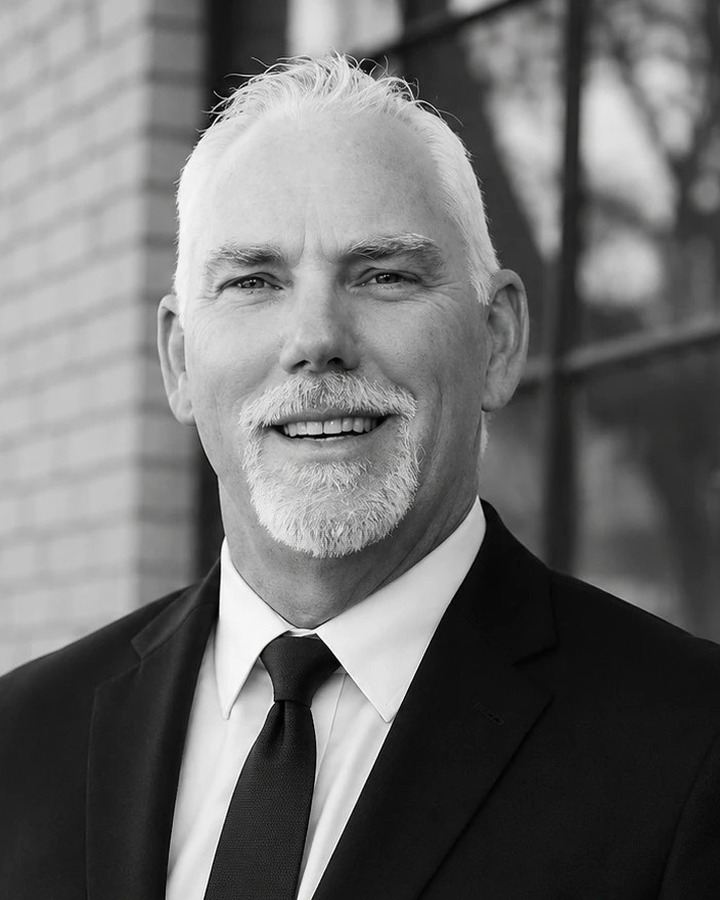 Consultant
More than thirty-five years in public safety: twelve years and three terms as the elected Sheriff of Lewis County, Washington, and six years a commissioner of the state board that sets peace-officer training standards.
Full profile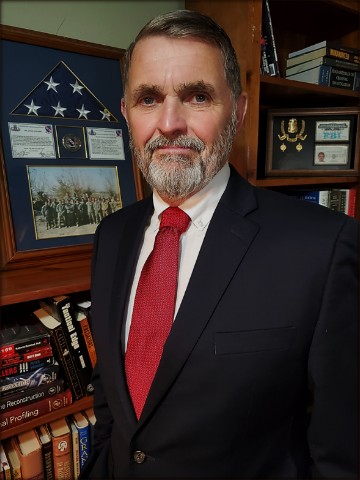 Consultant
Forty years of investigative casework, from patrolman in St. Louis County to the FBI in Chicago, and on to task forces in Afghanistan and Liberia. His work on the Idaho student murders is examined in Broken Plea, the New York Times bestseller by Christopher Whitcomb.
Full profileNever excluded. Professor Gilbertson’s testimony has not been excluded at trial in any state or federal court.
The Hon. Richard A. Jones United States District Judge“Mr. Gilbertson’s qualifications demonstrate extensive experience in policing. His expansive work as a police officer in Georgia, with assignments as a SWAT team officer, juvenile court investigator, school resource officer, stakeout squad officer, senior patrolman, and patrolman; then a career as a tenured college professor and university lecturer teaching criminal justice courses to degree-seeking students at colleges and universities, and as a licensed private investigator conducting felony pretrial investigations for attorneys in Washington State in dozens of criminal cases, makes him unique in the field of police expert witnesses. The Court finds that, based on his experience, Mr. Gilbertson’s testimony can be expected to have a reliable basis in knowledge and experience of police practices.”
The published deposition schedule.
The deposition fee is a $3,500 flat fee per expert, taken by Zoom or a similar platform. The figure is not an estimate and not an opening position: it covers preparation and five hours of examination, and it is the same for every case. Payment in full is due seven days before the examination.
- Preparation: included in the flat fee, spent back in the record and the report
- Examination: five hours at $500 per hour, on the record
- Overage: examination beyond five hours, billed at $500 per hour in quarter-hour increments
- Payment: in full, seven days before the examination
- Platform: Zoom or a similar platform
- The fee: communicated to opposing counsel by retaining counsel
Preparation is not padding. Those three hours go back through the record and the report: the opinions as written, the exhibits the examination will walk through, and the file the testimony has to match. Testimony that tracks the written report is the point of the exercise, and it is what the preparation hours buy.
One channel carries the schedule. Retaining counsel communicates the fee to opposing counsel, so the side noticing the examination reads the same numbers the retaining side budgeted against. The schedule is also published on the site, which means neither side discovers the figure for the first time in a meet-and-confer.
Why the fee is split the way it is.
Preparation serves the retaining side. The hours protect the quality of the testimony itself: opinions restated accurately, the record commanded from memory where it matters, exhibits met without surprise. They are folded into the flat fee rather than billed separately, so preparing properly never reads as running a meter.
Examination time is consumed by the examining side. The five hours belong to whoever is asking the questions, which is why examination carries the $500 per hour rate rather than the preparation rate, and why time past the fifth hour runs in quarter-hour increments instead of rounding to whole hours.
The seven-day rule keeps the schedule honest. A date with payment confirmed a week out is a date both sides can rely on; a date without it invites the reschedule spiral that burns expert calendars and disclosure deadlines alike. Settling the money a week early means deposition day is spent on the record, not on the invoice.
The Zoom format serves the same end. A remote examination on published terms needs no travel clock and no travel expenses, and a date that requires only calendars, not flights, is easier for every side to keep.
Overage runs in quarter-hour increments: time past the fifth hour of examination is measured in fifteen-minute blocks at $500 per hour, not rounded up to whole hours.
Who ultimately bears the cost.
The published schedule answers what the examination costs and when payment is due. It does not answer which party ultimately bears that cost, because no fee schedule can. Allocation is governed by the rules of the forum and the agreements between the parties in each case, and reading those rules is counsel’s lane, not the expert’s.
In federal practice counsel will know Fed. R. Civ. P. 26(b)(4) and the case law under it; state rules and party agreements vary. The practice takes no position on allocation in any matter. Legal conclusions remain counsel’s, and the expert’s lane stays police practices; the schedule is simply published so counsel can budget either way.
For budgeting, the figure counsel plans against is the flat fee: $3,500 per expert, paid in full seven days before the examination. If a long examination is expected, exposure stays calculable in advance, because every additional hour is $500, measured in quarter-hour increments rather than estimated after the fact.
How the day itself runs, from preparation through the transcript, is covered at expert depositions, how they run. The full schedule, retention through trial, sits in police expert witness fees, explained, and testimony on the road is covered at trial testimony and travel, nationwide.
When the question becomes a retention.
This page is reference. When a live matter needs the analysis, these are the doors.
Asked alongside this one.
Who pays the expert witness deposition fee?
What happens if the examination runs past five hours?
When is the deposition fee due, and why so early?
Bring the matter behind the question.
Attorney inquiries are answered directly. If a case presents a conflict, you will hear it immediately.
Inquiry sent.
You will hear back directly. If the matter is urgent, call (239) 571-1840.
Conflicts are checked before any substantive discussion. Please do not send privileged material with a first inquiry; after retention the record is exchanged on physical media. Gregory consults for attorneys and their staff only, and does not provide legal advice or attorney referrals to individuals.