

Alabama Casework,
Use of Force in Federal Court
Direct line: (239) 571-1840 · GregoryGilbertson@proton.me
Attorney and law-firm inquiries only
Use of force · Police practices · Wrongful death · State & Federal Courts
Federal court is where most of the Alabama casework has been litigated. Across the whole file, use of force is the larger lane, with a police practices matter and a wrongful death claim alongside. Professor Gilbertson answers the police practices question in a federal excessive force claim from its record, and the analysis ends where counsel's work begins.
Three experts. Over 110 years.
Professor Gregory Gilbertson (Ret.), FBI Special Agent Christopher Holland (Ret.), and Sheriff Robert Snaza consult with attorneys nationwide regarding police practices and procedures, use of force, false arrest, police misconduct, criminal, and self-defense casework.
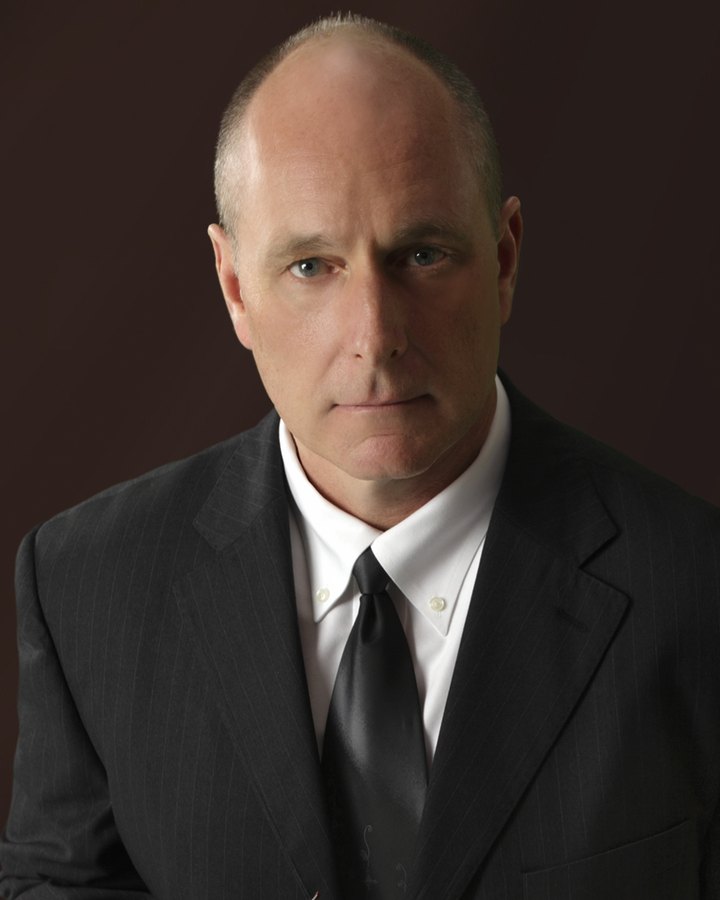 CEO & Owner
Thirty-eight years in four uniforms: street cop, soldier, professor, investigator. More than 220 matters in 42 states and D.C. since 2014.
Full biography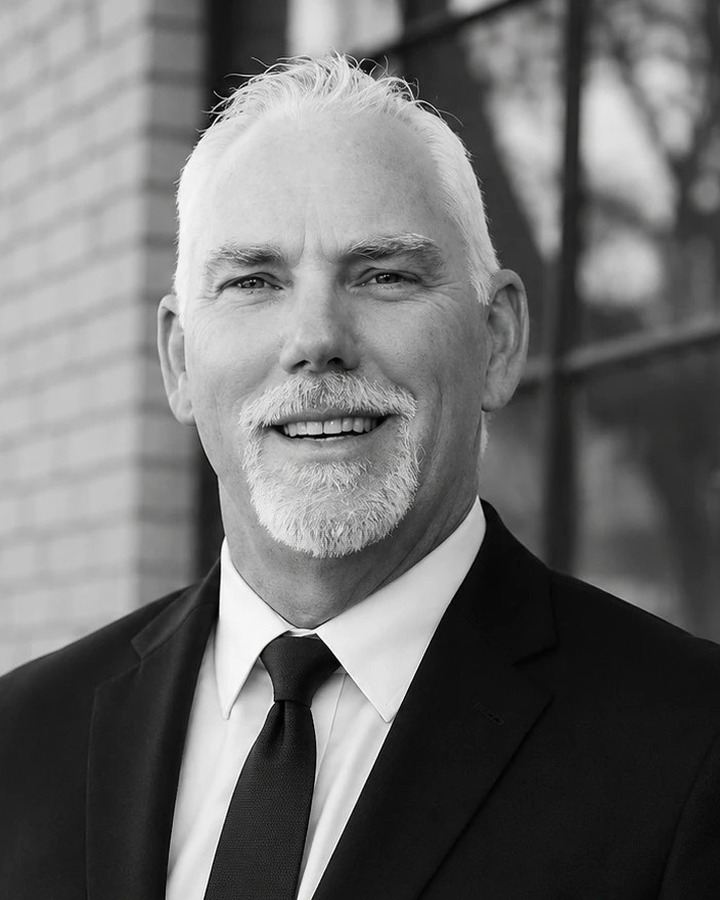 Consultant
More than thirty-five years in public safety: Sheriff of Lewis County, Washington, since his election in 2015, and six years as a commissioner of the state board that sets peace-officer training standards.
Full profile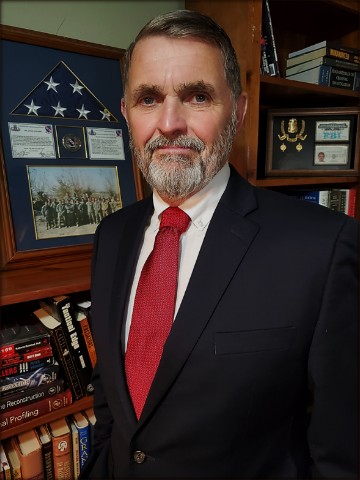 Consultant
Forty years of investigative casework, from patrolman in St. Louis County to the FBI in Chicago, and on to task forces in Afghanistan and Liberia. His work on the Idaho student murders is examined in Broken Plea, the New York Times bestseller by Christopher Whitcomb.
Full profileThe Hon. Richard A. Jones United States District Judge“Mr. Gilbertson’s qualifications demonstrate extensive experience in policing. His expansive work as a police officer in Georgia, with assignments as a SWAT team officer, juvenile court investigator, school resource officer, stakeout squad officer, senior patrolman, and patrolman; then a career as a tenured college professor and university lecturer teaching criminal justice courses to degree-seeking students at colleges and universities, and as a licensed private investigator conducting felony pretrial investigations for attorneys in Washington State in dozens of criminal cases, makes him unique in the field of police expert witnesses. The Court finds that, based on his experience, Mr. Gilbertson’s testimony can be expected to have a reliable basis in knowledge and experience of police practices.”
The record behind an Alabama excessive force claim.
A use of force claim comes to the analysis as the record counsel assembles, and the same items recur in it: footage from body-worn and dash cameras and from any surveillance camera nearby; police and internal affairs investigation reports; the accounts given by the officers and by the civilians who saw it, as first recorded and as later tested in deposition; each involved officer's training record and disciplinary history; and the agency's policies and procedures as they stood on the day in question. A wrongful death claim brings autopsy and forensic reports into that record. They are read as part of it, but the medical and scientific questions they raise go to qualified experts in those disciplines, and the report records that deferral.
No single item in that record is taken as the account of what happened: the video, the reports, the statements and the depositions are read together. Each use of force is then measured on the totality of the facts and circumstances, anchored to what was known at the time and to nothing discovery revealed later, against the policy the agency had issued, the training it had delivered, and generally accepted police practice, informed by national standards, model policies and training curricula. The result is an opinion on police practices, and legal conclusions remain counsel's.
The Alabama file, on the record.
Mostly federal, and what the forum asks of the expert.
Most of the Alabama casework has been litigated in federal court, with the remainder in state court. In a Section 1983 matter the legal question and the practices question sit close together and belong to different people. Whether the force was reasonable in law is counsel's question, and counsel argues it to the court. Whether the conduct fell within generally accepted police practice, given only what had reached the officer by that moment, is the expert's, and that is the question the written report answers, sourced to the record.
The state court share of the Alabama file is the smaller one, and a state matter can arrive as a civil claim or as a criminal case. A criminal retention turns the analysis toward the police work that built the charge: how the arrest was made and written up, how evidence was gathered and kept, how statements were taken, and whether each step met generally accepted police practice. That opinion can be heard at a suppression hearing as well as at trial, and criminal defense support describes the work in full. In either court the analysis answers for its method and its sources.
Admissibility in any particular matter remains retaining counsel's responsibility. The courts where testimony has been admitted are listed on the Library page on how many matters and where.
Which practice area an Alabama claim falls under.
Excessive force casework is the practice area for the use of force lane in the Alabama file, and a wrongful death claim that turns on force is read under it too. Police misconduct casework takes up what happens after the encounter: what the reports said, what the internal investigation examined, and whether either holds up against the video. The case history page carries the practice's published results.
The practice is retained from both sides of claims like these, plaintiff and defense alike, and the Library takes up what retention by both sides means for the opinion. How an expert based outside the state comes into an Alabama matter is also a question the Library answers, in its note on jurisdiction.
Retaining from Alabama.
Retaining from Alabama runs on the same terms as every engagement. It opens with a conflict check, and counsel hears about a conflict immediately. A first inquiry holds the case type and posture, the jurisdiction and case number, the governing deadlines, what the record contains so far, and the parties for the conflict check. Nothing privileged travels with a first inquiry, and privileged material is never exchanged by email.
After retention the record travels on physical media, a computer flash drive or an external hard drive by mail or courier; online sharing services are not used. Depositions are taken by Zoom or a similar platform, so an Alabama deposition does not wait on a travel calendar. Expert reports require sixty days of advance notice, and a bullet-point outline of the report is approved with retaining counsel before writing begins.
The practice is based in Naples, Florida, and trial testimony is offered in Alabama on the published travel terms. The fee schedule and the travel terms are set out in full on the For Counsel page, and the Library note on what to send with a first inquiry covers the first step item by item.
Counsel ask about Alabama.
Must an Alabama retention begin as a testifying engagement?
Can the Alabama figures be read as a track record, or as a limit?
Does Gilbertson come to Alabama for trial, or testify remotely?
Where does the analysis stop in an Alabama matter?
Discuss an Alabama matter.
Attorney and law-firm inquiries only. Conflicts are checked before anything substantive, and you will hear about a conflict immediately.
Inquiry sent.
You will hear back directly. If the matter is urgent, call (239) 571-1840.
Conflicts are checked before any substantive discussion. Please do not send privileged material with a first inquiry; after retention the record is exchanged on physical media. Gregory consults for attorneys and their staff only, and does not provide legal advice or attorney referrals to individuals.