

Arizona Casework,
Admitted in Federal Court
Direct line: (239) 571-1840 · GregoryGilbertson@proton.me
Attorney and law-firm inquiries only
Use of force · Police misconduct · Police practices · State Courts
An Arizona litigator screening this practice finds state court casework, and this page describes the kind of record those matters turn on and what the analysis asks of it. Professor Gilbertson reads an Arizona record whole and measures the conduct in it, on the totality of the facts and circumstances, against the agency's own written policy and the national standards behind generally accepted police practice.
Three experts. Over 110 years.
Professor Gregory Gilbertson (Ret.), FBI Special Agent Christopher Holland (Ret.), and Sheriff Robert Snaza consult with attorneys nationwide regarding police practices and procedures, use of force, false arrest, police misconduct, criminal, and self-defense casework.
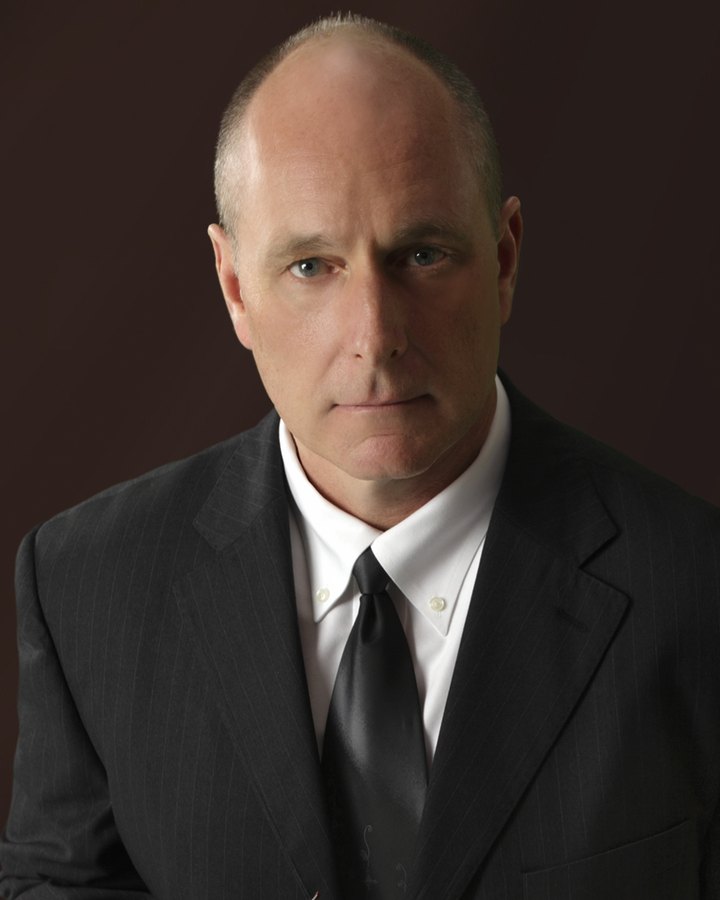 CEO & Owner
Thirty-eight years in four uniforms: street cop, soldier, professor, investigator. More than 220 matters in 42 states and D.C. since 2014.
Full biography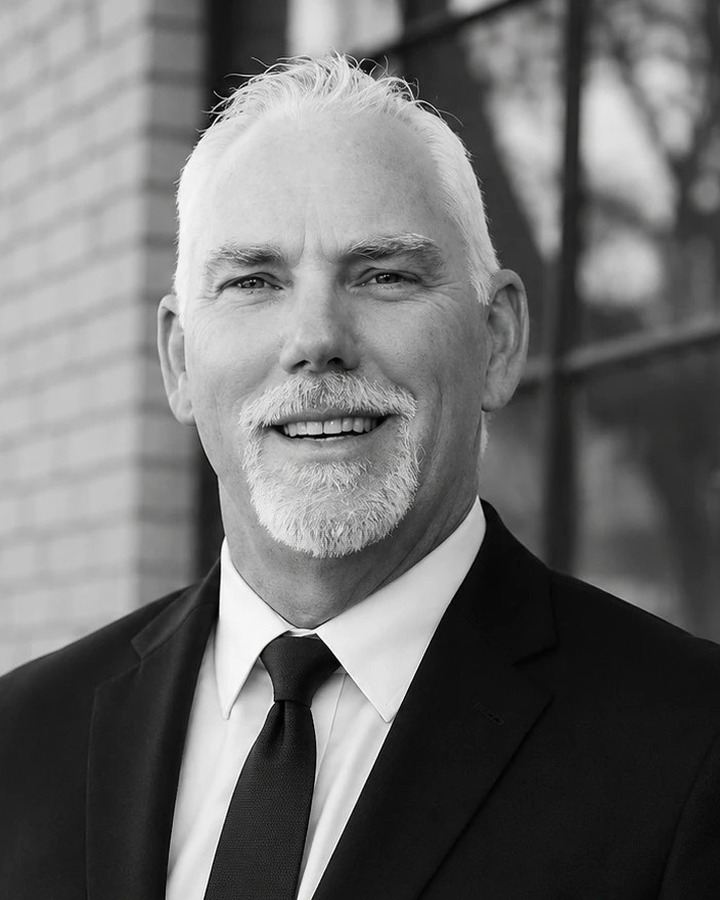 Consultant
More than thirty-five years in public safety: Sheriff of Lewis County, Washington, since his election in 2015, and six years as a commissioner of the state board that sets peace-officer training standards.
Full profile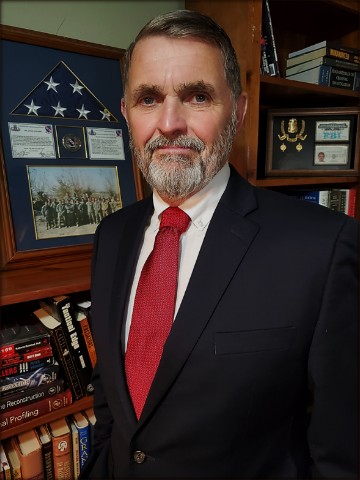 Consultant
Forty years of investigative casework, from patrolman in St. Louis County to the FBI in Chicago, and on to task forces in Afghanistan and Liberia. His work on the Idaho student murders is examined in Broken Plea, the New York Times bestseller by Christopher Whitcomb.
Full profileThe Hon. Richard A. Jones United States District Judge“Mr. Gilbertson’s qualifications demonstrate extensive experience in policing. His expansive work as a police officer in Georgia, with assignments as a SWAT team officer, juvenile court investigator, school resource officer, stakeout squad officer, senior patrolman, and patrolman; then a career as a tenured college professor and university lecturer teaching criminal justice courses to degree-seeking students at colleges and universities, and as a licensed private investigator conducting felony pretrial investigations for attorneys in Washington State in dozens of criminal cases, makes him unique in the field of police expert witnesses. The Court finds that, based on his experience, Mr. Gilbertson’s testimony can be expected to have a reliable basis in knowledge and experience of police practices.”
Range inside a small Arizona file.
Use of force, police misconduct and police practices each appear in the Arizona file, and no one of them carries it alone. That is range rather than a specialty, and it is the useful thing about a file this size: an Arizona litigator on any of those claims is looking at a kind of work the practice has already done in this state.
The analysis of each of those claims rests on the complete record. For a use of force claim that means whatever body-worn, dash and surveillance video exists, the reports written after the encounter, the statements of officers and civilians, the depositions once they are taken, and the training and discipline files of the involved officer. A police misconduct claim reads the same material for a different purpose, which is whether the report and the handling of the evidence hold up against everything else in the record. A police practices claim is the widest of the labels: it asks whether what the officers did, and what the agency had them do, matched generally accepted practice, and it is answered from policy, procedure and training records as much as from the incident file.
The conduct in the record is held up to what the agency's own policy required, to the statutes and case law, state and federal, that applied, and to what generally accepted police practice is, as national standards, model policies and training curricula inform it and as reputable academic research describes it, on the totality of the facts and circumstances.
Where force is at issue the frame is Graham v. Connor, and the analysis stands where the officer stood when the decision was made, with nothing learned afterward allowed to color it. A medical, scientific or technical question in an Arizona record is named as such in the report and deferred to qualified experts in the discipline it belongs to. Legal conclusions remain counsel's; the expert addresses police practices.
The Arizona file, on the record.
What the Phoenix and Scottsdale matters do and do not show.
One of the three Arizona matters in the practice file names Phoenix in the citation, and the agency that citation names is the City of Phoenix. One of the three Arizona matters in the practice file names Scottsdale in the citation, and the agency that citation names is the City of Scottsdale.
A matter is counted here only when its own citation names the place or an agency of it; nothing is inferred from a court, a docket or a judge. The published results, where there are any, are on the panel above and on the case history page.
The Scottsdale citation names a use of force claim and its court, Maricopa Cty. Super. Ct. The Phoenix citation names no court, and the practice file lists it as a state court matter under the label police practices, the widest label the file uses. That is what the citations show: a kind of claim from each city, and neither carries the record it came from.
The matter already in the file for either city tells nothing about the next one. A new Phoenix or Scottsdale record is read from its own policy, training and incident file, and the kind of claim in it, not the city it comes from, decides which page explains the analysis: use of force casework for a use of force claim, the practice area overview for a police practices claim, both linked in the practice areas section of this page.
State court matters, a federal court record.
An Arizona state court matter puts the opinion before a court applying its own rules of evidence and procedure, and that frame belongs to retaining counsel: it governs when the opinion is disclosed, how it is tested and by whom. It does not change what the conduct in the record is held up to. Whichever court hears the matter, every opinion in the report names the part of the file it rests on.
A criminal defense retention in Arizona would put a different question to the same kind of record. A civil rights claim under Section 1983 asks the constitutional question, force through Graham, with the agency's training, policy and supervision behind it where the claim reaches past the officer. A criminal matter would ask instead how the defendant was stopped, searched and questioned, how each step was recorded, and whether the case was built the way generally accepted police practice calls for a case to be built, which is the work described on the criminal defense page. Whether either opinion comes in is the hearing court's decision, and carrying that question is retaining counsel's work, in Arizona as anywhere.
Professor Gilbertson's testimony has been admitted in the U.S. District Court for the District of Arizona. That admission is a testimony record; the panel above counts the retentions in the Arizona practice file, which sit in the state courts. The courts where testimony has been admitted are listed on the Library page on how many matters and where.
From an Arizona claim to the page that explains it.
The practice area pages are where each claim type in the Arizona file is explained. A use of force claim is use of force casework, where the questions are what was known to the officer at the time, what policy and training required, and how the force chosen compares with generally accepted practice. A police misconduct claim, whether it concerns the report, the evidence, or an officer who stood by while another acted, is police misconduct casework. A police practices claim can touch any of the practice areas, and the place to start with one is the practice area overview, which sets out every practice area and the questions the analysis takes up inside each.
Those pages describe the analysis in general terms, and they are the right place to read how a given claim is worked before an Arizona record is sent. Results are a separate matter: the ones the practice publishes are listed on the case history page. What does and does not change when the expert works from outside Arizona is the subject of the Library note on what jurisdictions a nationwide expert covers.
Retaining from Arizona.
Retaining from Arizona runs on the same terms as every engagement. It opens with a conflict check, and counsel hears about a conflict immediately. A first inquiry holds the case type and posture, the jurisdiction and case number, the governing deadlines, what the record contains so far, and the parties for the conflict check. Nothing privileged travels with a first inquiry, and privileged material is never exchanged by email.
After retention the record travels on physical media, a computer flash drive or an external hard drive by mail or courier; online sharing services are not used. Depositions are taken by Zoom or a similar platform, so an Arizona deposition does not wait on a travel calendar. Expert reports require sixty days of advance notice, and a bullet-point outline of the report is approved with retaining counsel before writing begins.
The practice is based in Naples, Florida, and trial testimony is offered in Arizona on the published travel terms. The fee schedule and the travel terms are set out in full on the For Counsel page, and the Library note on what to send with a first inquiry covers the first step item by item.
Counsel ask about Arizona.
Does counsel defending an Arizona officer stand on the same footing as plaintiff's counsel?
Can an Arizona retention be narrower than a full testifying engagement?
If an Arizona matter goes to trial, is the testimony given in the courtroom?
Does the opinion say whether an Arizona officer broke the law?
Discuss an Arizona matter.
Attorney and law-firm inquiries only. Conflicts are checked before anything substantive, and you will hear about a conflict immediately.
Inquiry sent.
You will hear back directly. If the matter is urgent, call (239) 571-1840.
Conflicts are checked before any substantive discussion. Please do not send privileged material with a first inquiry; after retention the record is exchanged on physical media. Gregory consults for attorneys and their staff only, and does not provide legal advice or attorney referrals to individuals.