

The opposing expert’s opinions,
answered from the record.
Direct line: (239) 571-1840 · GregoryGilbertson@proton.me
Attorney and law-firm inquiries only
When the other side discloses a police practices expert, counsel has two moves: a quiet review of the disclosed opinions, or a rebuttal report that answers them on the record. This page explains both engagement forms, what a rebuttal examines, and why restraint is what makes one credible.
Three experts. Over 110 years.
Professor Gregory Gilbertson (Ret.), FBI Special Agent Christopher Holland (Ret.), and Sheriff Robert Snaza consult with attorneys nationwide regarding police practices and procedures, use of force, false arrest, police misconduct, criminal, and self-defense casework.
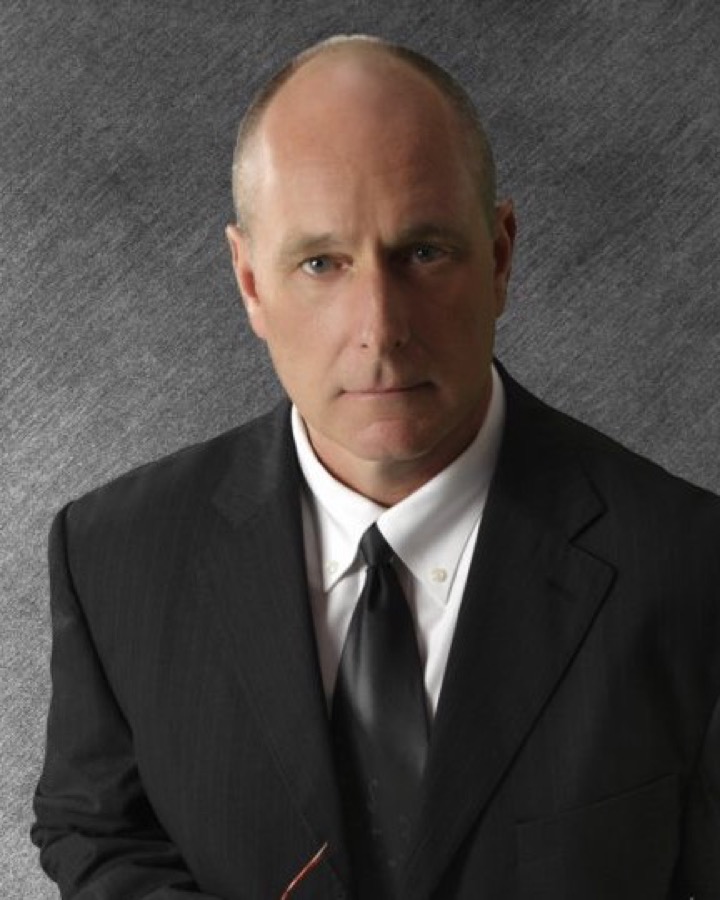 CEO & Owner
Thirty-eight years in four uniforms: street cop, soldier, professor, investigator. More than 220 matters in 42 states and D.C. since 2014, with testimony that has not been excluded at trial in any state or federal court.
Full biography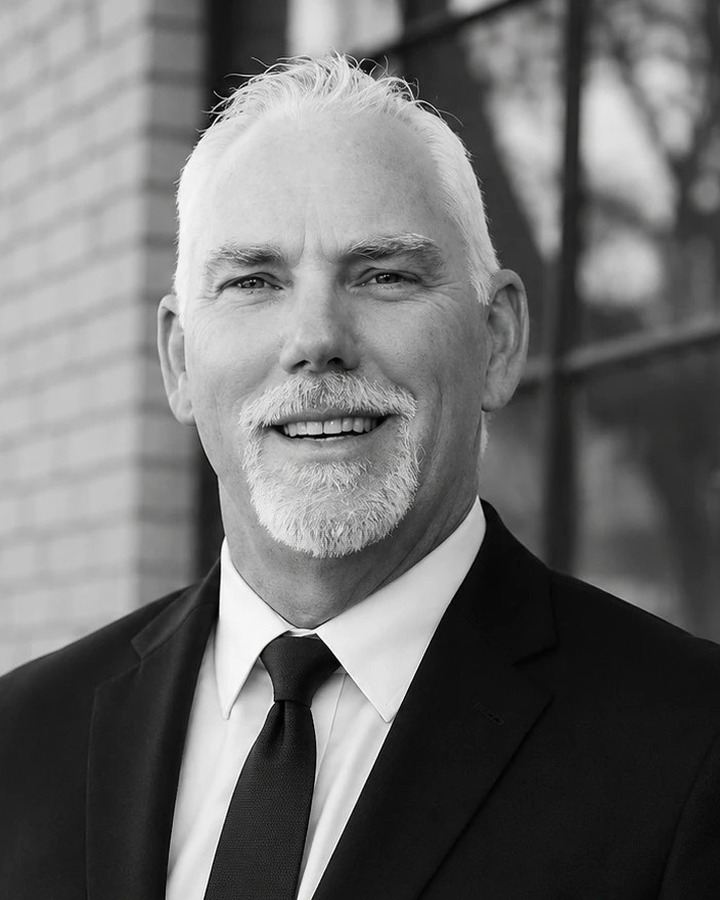 Consultant
More than thirty-five years in public safety: twelve years and three terms as the elected Sheriff of Lewis County, Washington, and six years a commissioner of the state board that sets peace-officer training standards.
Full profile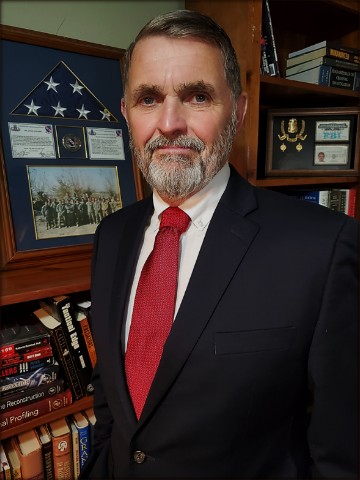 Consultant
Forty years of investigative casework, from patrolman in St. Louis County to the FBI in Chicago, and on to task forces in Afghanistan and Liberia. His work on the Idaho student murders is examined in Broken Plea, the New York Times bestseller by Christopher Whitcomb.
Full profileNever excluded. Professor Gilbertson’s testimony has not been excluded at trial in any state or federal court.
The Hon. Richard A. Jones United States District Judge“Mr. Gilbertson’s qualifications demonstrate extensive experience in policing. His expansive work as a police officer in Georgia, with assignments as a SWAT team officer, juvenile court investigator, school resource officer, stakeout squad officer, senior patrolman, and patrolman; then a career as a tenured college professor and university lecturer teaching criminal justice courses to degree-seeking students at colleges and universities, and as a licensed private investigator conducting felony pretrial investigations for attorneys in Washington State in dozens of criminal cases, makes him unique in the field of police expert witnesses. The Court finds that, based on his experience, Mr. Gilbertson’s testimony can be expected to have a reliable basis in knowledge and experience of police practices.”
A quiet review, or an answer on the record.
The first engagement form is review of an opposing expert’s disclosed opinions in a consulting posture. The opposing report and its exhibits are read against the underlying record, and counsel receives a working analysis: where the opinions are sourced and where they are not, which cited standards are real and which are merely asserted, where the deposition should press. Nothing is served on the other side; the work informs strategy.
The second form is a disclosed rebuttal report: a written response to the opposing expert’s opinions, served under the case-management order and subject to the same discovery as any expert report. Rebuttal reports run from $5,000 and are built on the same record discipline as a primary report: the complete record, identifiable standards, every opinion cited to its sources. The difference is the target. A rebuttal answers a specific set of disclosed opinions rather than the incident at large.
The quiet review fits when counsel is still deciding what the opposing disclosure is worth: before committing to a motion, before a mediation, or where the case may settle and a served rebuttal would only harden positions. The disclosed rebuttal fits when the opposing opinions will reach the fact-finder unless answered: a report the jury will hear about, an affidavit supporting a dispositive motion, an opinion that reframes the incident in a way the record does not support.
Which form fits is counsel’s call, and engagements often start as the first and become the second. What each posture exposes to discovery, and how the designation decision works, is treated in consulting vs. testifying expert retentions.
What a rebuttal actually examines.
A rebuttal is not a second opinion on the whole case. It is an examination of the opposing expert’s disclosed opinions against four questions, applied one opinion at a time.
- Is the opinion sourced to the record, or does it rest on a version of events the record does not contain?
- Are the standards cited the accepted ones: national standards, model policies and the agency’s own written policy, identified by name, or standards asserted without a source?
- Is the announced method actually applied, opinion by opinion, or does the report recite a method up front and then skip to conclusions?
- Does each opinion stay inside the witness’s discipline, or does it drift into legal conclusions or into questions that belong to other experts?
Each answer is written the way the practice writes primary reports: cited to the page, the timestamp and the policy provision, so counsel can verify every disagreement independently. Where an opposing opinion wanders into medical causation or human factors territory, the rebuttal applies the same boundary the practice applies to itself: those questions belong to qualified experts in those disciplines, and the report says so rather than answering in kind.
What these failures look like in practice is consistent across cases. A record-sourcing failure reads as an opinion that adopts one witness statement and never mentions the video timeline that undercuts it. A standards failure cites best practices without naming whose: no model policy, no training curriculum, no agency manual provision. A method failure announces a review of the totality of the circumstances and then analyzes three facts. A discipline failure offers an opinion on what an officer perceived or intended, which no police practices method can establish.
The four questions are also the anatomy of a Daubert motion, which is why a careful rebuttal often does double duty: it answers the opposing opinions on the merits and hands counsel the reliability analysis a Rule 702 challenge is built from. Whether to file that motion is a legal judgment that remains counsel’s; the framework is walked through in Daubert, Rule 702 and police practices testimony.
Where the opposing expert is right, the rebuttal says so.
A rebuttal that disputes everything is advocacy wearing an expert’s caption, and judges and juries recognize it quickly. Where the opposing expert has read the record correctly, applied a real standard, and stayed inside the discipline, the rebuttal concedes the point plainly. Conceding sound points costs nothing that was actually available, and it buys the only thing a rebuttal has to offer: credibility on the points of genuine disagreement.
The practice can hold that line because it works both sides of the aisle. Retentions come from plaintiff’s counsel in civil rights matters, from the criminal defense bar, and from counsel defending officers and agencies, and the same standards apply in every posture. An expert who has written, on a record that showed it, that officers acted within accepted police practices is difficult to dismiss as a professional contrarian when a rebuttal criticizes an opposing opinion.
The tone discipline extends to the writing itself. A rebuttal names the disagreement, states the record basis, and stops: no adjectives about the opposing witness, no speculation about motive, no commentary on qualifications unless qualifications are actually the problem. The disagreement is with the opinion, not the person, and reports written that way age well when both experts end up in the same courtroom.
Restraint is tactical as well as principled. At deposition, opposing counsel hunts for one overstated disagreement to spend an hour on; a rebuttal that contains none leaves that examination nowhere soft to land.
Rebuttal timing runs on someone else’s deadline.
A primary report is planned against a disclosure date counsel controls from the start of the engagement. A rebuttal is triggered by the opposing disclosure, and the window between that disclosure and the rebuttal deadline is usually the shortest expert window in the case-management order. The planning rule matters more here, not less: expert reports require sixty days of advance notice, and reports required in less time incur a 25% upcharge.
The practical consequence is that counsel expecting an opposing expert should open the conversation before the opposing report lands. The conflict check and scope discussion can run early, and the underlying record can be reviewed while the opposing disclosure is still pending, so the sixty-day clock is already satisfied when the report arrives and only the response remains to be written. Work begins once discovery has been received on physical media, which is one more reason not to start late.
Rebuttal deadlines themselves are procedural facts that vary by court and by order; reading and calendaring them is counsel’s work. What the expert controls is being retained early enough that the deadline is met with a report worth serving.
The 25% expedited upcharge exists for genuine emergencies, not as a plan. A rebuttal window is survivable on the standard terms when the record review starts before the opposing report is served.
What counsel sends for a rebuttal engagement.
A rebuttal engagement needs two things: the opposing expert’s disclosure in full, report, exhibits and any materials-considered list, and the underlying record itself. The second is not optional. A rebuttal written only from the opposing report inherits that report’s version of the record and can only argue with its reasoning. A rebuttal written from the record can show what the opposing opinion missed, which is the difference between commentary and evidence.
The record protocol is the same as for any retention: after the conflict check and a scope discussion with retaining counsel, the file travels on physical media, a computer flash drive or external hard drive by mail or courier. The discovery file counsel assembles for a primary retention, reports, statements, deposition transcripts, video, training and disciplinary records, agency policies, serves a rebuttal just as well, with the opposing disclosure added on top.
Depositions follow the published terms whichever expert wrote first. If the rebuttal is disclosed, the rebutting expert can expect to be deposed on it, on the same schedule and the same preparation discipline as any testifying engagement.
How rebuttal work sits beside the other report forms.
A rebuttal is one of three report forms the practice writes. A primary report states affirmative opinions from the complete record; its structure is walked through in anatomy of a police practices expert report. A supplemental report updates opinions already disclosed when the record changes; that distinction matters and is covered in what a supplemental report is. A rebuttal answers the opposing expert’s disclosed opinions.
The three forms share one discipline: opinions sourced to the record, standards identified by name, scope held inside police practices, legal conclusions left where they belong, with counsel. A rebuttal engagement can stand alone in a case where a different expert wrote the affirmative report, or sit alongside a primary retention in the same matter. The conflict check and the physical-media record protocol are identical either way.
When the question becomes a retention.
This page is reference. When a live matter needs the analysis, these are the doors.
Asked alongside this one.
What does a rebuttal expert report cost in a police case?
Does a rebuttal report have to disagree with everything the opposing expert wrote?
Can counsel get a read on the opposing expert without disclosing anything?
What does retention cost?
Bring the matter behind the question.
Attorney inquiries are answered directly. If a case presents a conflict, you will hear it immediately.
Inquiry sent.
You will hear back directly. If the matter is urgent, call (239) 571-1840.
Conflicts are checked before any substantive discussion. Please do not send privileged material with a first inquiry; after retention the record is exchanged on physical media. Gregory consults for attorneys and their staff only, and does not provide legal advice or attorney referrals to individuals.