

What a CAD report is,
and what its clocks prove.
Direct line: (239) 571-1840 · GregoryGilbertson@proton.me
Attorney and law-firm inquiries only
A CAD report, short for computer-aided dispatch, is the dispatch system’s own account of a police call, generated as the event moves through it. It fixes times that reports written hours later cannot, and it carries dispatcher shorthand that no one should mistake for a description of what happened on the street.
Three experts. Over 110 years.
Professor Gregory Gilbertson (Ret.), FBI Special Agent Christopher Holland (Ret.), and Sheriff Robert Snaza consult with attorneys nationwide regarding police practices and procedures, use of force, false arrest, police misconduct, criminal, and self-defense casework.
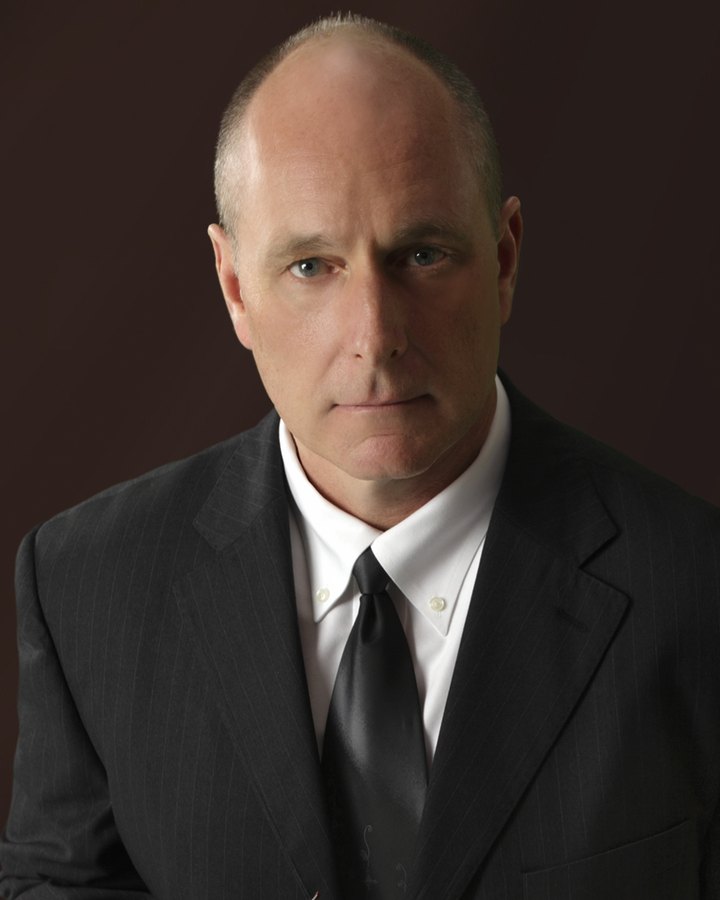 CEO & Owner
Thirty-eight years in four uniforms: street cop, soldier, professor, investigator. More than 220 matters in 42 states and D.C. since 2014.
Full biography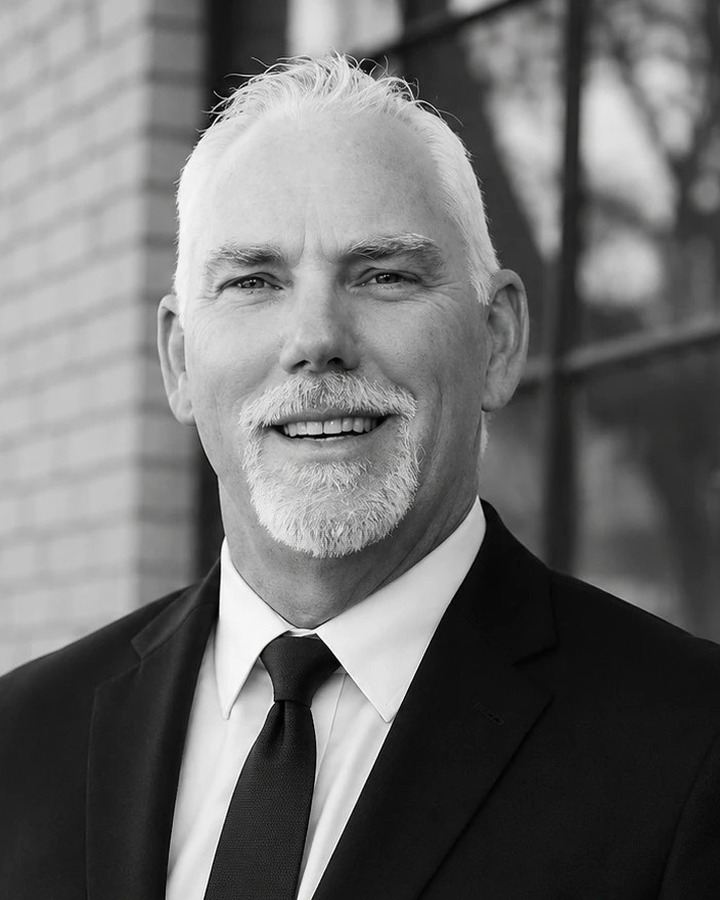 Consultant
More than thirty-five years in public safety: Sheriff of Lewis County, Washington, since his election in 2015, and six years as a commissioner of the state board that sets peace-officer training standards.
Full profile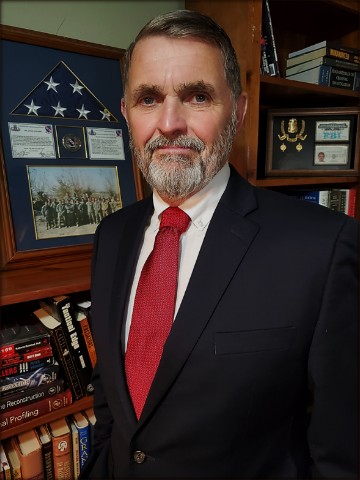 Consultant
Forty years of investigative casework, from patrolman in St. Louis County to the FBI in Chicago, and on to task forces in Afghanistan and Liberia. His work on the Idaho student murders is examined in Broken Plea, the New York Times bestseller by Christopher Whitcomb.
Full profileThe Hon. Richard A. Jones United States District Judge“Mr. Gilbertson’s qualifications demonstrate extensive experience in policing. His expansive work as a police officer in Georgia, with assignments as a SWAT team officer, juvenile court investigator, school resource officer, stakeout squad officer, senior patrolman, and patrolman; then a career as a tenured college professor and university lecturer teaching criminal justice courses to degree-seeking students at colleges and universities, and as a licensed private investigator conducting felony pretrial investigations for attorneys in Washington State in dozens of criminal cases, makes him unique in the field of police expert witnesses. The Court finds that, based on his experience, Mr. Gilbertson’s testimony can be expected to have a reliable basis in knowledge and experience of police practices.”
What a computer-aided dispatch record contains.
A police call that reaches a dispatch center ordinarily becomes an event in the dispatch system, and the system logs that event as it develops. The call is received and classified, a priority code is assigned, units are attached to it, and each status change is written with a time: dispatched, en route, on scene, cleared. Nothing in that sequence is composed afterward from memory, which is why the event log anchors the material that was.
What the event log carries.
- Call receipt: how the call arrived, how it was classified, and the priority assigned to it
- Unit assignment: which units were attached to the event, and which attached themselves
- Status times for each unit: dispatched, en route, on scene, and cleared
- Dispatcher notes: free-text entries added as information reached the console
- Changes to the call type as the reported facts changed during the event
- The unit history showing where a unit was before the call and where it went after
Alongside the event log runs the recorded audio: the incoming call and the radio traffic on the assigned channel. These are different records with different failure modes. The log carries a dispatcher’s compression of what a caller said; the audio carries the words. Counsel who obtain one and not the other are working from a paraphrase.
What a CAD report proves, and what it does not.
A dispatch record proves what the system was told and when the system recorded it. That is narrower than it sounds. Status times are largely self-reported: an officer presses a button or says a word on the radio, and the system stamps the moment the report arrived, not the moment the thing described occurred. On scene can mean a unit stopped at the address, or that it stopped short and walked in.
The free-text notes are the same kind of evidence. A dispatcher types at speed while the call is still moving, condenses what the caller is saying, and drops in whatever a records check returns. The notes are a contemporaneous record of what dispatch believed at that moment. They are not an account of the incident, and a suspect description that reads one way in the notes may have gone out over the air another way.
The clock is its own problem. The dispatch clock is one clock among several. It is aligned to the cameras and the recordings rather than assumed to agree with them, and how that alignment is derived and disclosed is set out in building the record chronology. Where the aligned sequence leads is a police practices question; what it establishes about liability is a legal conclusion that stays with counsel.
A dispatch entry is strong evidence of when something was reported and weak evidence of when it happened. Treated as the second, it will misorder a case.
What to request, and how the analysis reads it.
The incident summary an agency produces first is not the record. It compresses the event into a few lines and drops the detail a timeline needs. The request should name the full event chronology and the unit history for every unit attached to the call, and it should name the audio separately, because many centers hold recordings on a separate logging system with its own retention period. After retention the export and the audio travel with the rest of the record on physical media, as native files rather than printouts.
The working request list.
- The full event chronology for the incident, rather than the incident summary
- The unit history for every unit attached to the call
- The recorded call audio and the radio traffic on the assigned channels
- The information the center holds on how its system clock is set and maintained
- The center’s own procedures for classifying calls and updating an event
With those in hand the work is comparison, source against source on one aligned clock, under the discipline set out in the chronology brief linked above. Inside a deficient-investigation review that comparison is delivered as timeline reconciliation.
None of that is available from a partial production. A dispatch export produced without its audio, or video without the export, is half of a comparison, which is why the review runs on the complete record rather than the pieces produced first. Requested early and read whole, the dispatch file is the cheapest fixed point a police case has.
When the question becomes a retention.
This page is reference. When a live matter needs the analysis, these are the doors.
Asked alongside this one.
Is a CAD report the same as the recorded 911 call?
Are the times in a CAD report reliable?
Can a CAD report show what an officer knew before arriving?
Bring the matter behind the question.
Attorney inquiries are answered directly. If a case presents a conflict, you will hear it immediately.
Inquiry sent.
You will hear back directly. If the matter is urgent, call (239) 571-1840.
Conflicts are checked before any substantive discussion. Please do not send privileged material with a first inquiry; after retention the record is exchanged on physical media. Gregory consults for attorneys and their staff only, and does not provide legal advice or attorney referrals to individuals.