

Police Wrongful Death Cases: The Conduct, Not the Cause
Direct line: (239) 571-1840 · GregoryGilbertson@proton.me
Attorney and law-firm inquiries only
In a wrongful death claim that follows police use of force or a pursuit, the police practices expert addresses the officers' conduct rather than the cause of death: what they knew, what policy and training required of them, and what the record shows they did from the first radio call to the arrival of medical aid. Medical questions go, on the record, to qualified experts in that field.
Three experts. Over 110 years.
Professor Gregory Gilbertson (Ret.), FBI Special Agent Christopher Holland (Ret.), and Sheriff Robert Snaza consult with attorneys nationwide regarding police practices and procedures, use of force, false arrest, police misconduct, criminal, and self-defense casework.
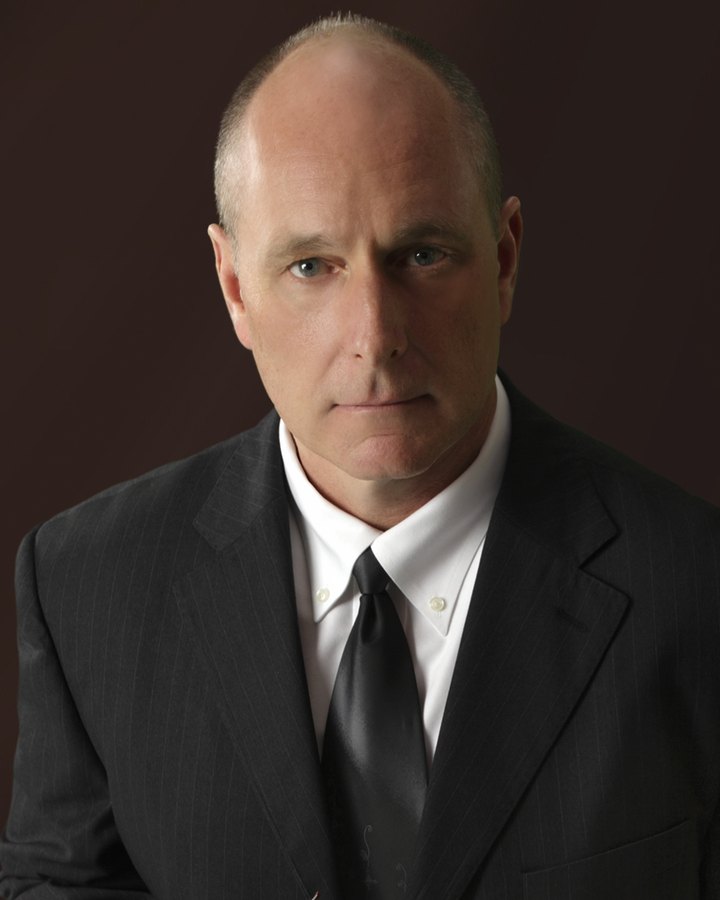 CEO & Owner
Thirty-eight years in four uniforms: street cop, soldier, professor, investigator. More than 220 matters in 42 states and D.C. since 2014.
Full biography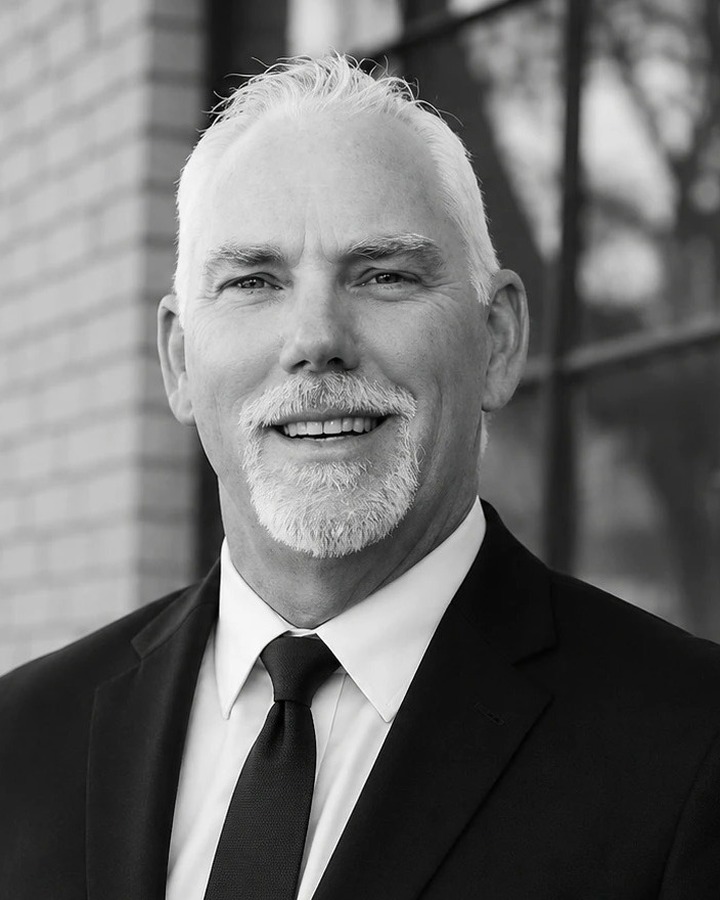 Consultant
More than thirty-five years in public safety: Sheriff of Lewis County, Washington, since his election in 2015, and six years as a commissioner of the state board that sets peace-officer training standards.
Full profile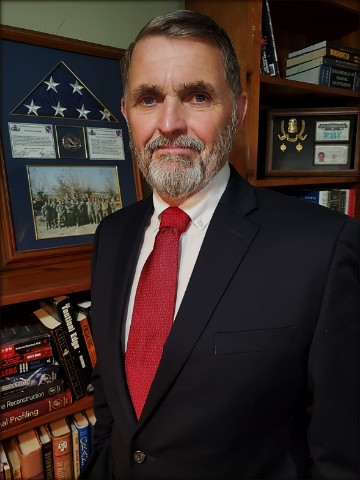 Consultant
Forty years of investigative casework, from patrolman in St. Louis County to the FBI in Chicago, and on to task forces in Afghanistan and Liberia. His work on the Idaho student murders is examined in Broken Plea, the New York Times bestseller by Christopher Whitcomb.
Full profileThe Hon. Richard A. Jones United States District Judge“Mr. Gilbertson’s qualifications demonstrate extensive experience in policing. His expansive work as a police officer in Georgia, with assignments as a SWAT team officer, juvenile court investigator, school resource officer, stakeout squad officer, senior patrolman, and patrolman; then a career as a tenured college professor and university lecturer teaching criminal justice courses to degree-seeking students at colleges and universities, and as a licensed private investigator conducting felony pretrial investigations for attorneys in Washington State in dozens of criminal cases, makes him unique in the field of police expert witnesses. The Court finds that, based on his experience, Mr. Gilbertson’s testimony can be expected to have a reliable basis in knowledge and experience of police practices.”
A wrongful death claim asks a conduct question and a medical question.
A wrongful death claim against officers or an agency puts two different questions to two different disciplines. Whether the officers' conduct was consistent with their agency's policy, their training and generally accepted police practices is a police practices question. What caused the death, how it progressed, and whether earlier aid would have changed the outcome are medical questions, and a police practices report states on the record that it leaves them to qualified experts in that field.
Keeping the two apart protects both opinions. A practices report that reaches for the cause of death hands opposing counsel an easy line of attack, and the doubt it creates can spread to the opinions that sit squarely inside the discipline. Held to conduct, the analysis gives counsel the part of the case police practices can address and leaves the medical part to the witness qualified to address it. The reliability standard federal courts apply to expert testimony is covered in Daubert and Rule 702.
The legal questions belong to neither expert. Whether the facts support a wrongful death or survival claim, which damages the law allows, and whether conduct was unconstitutional or negligent are legal conclusions. Legal conclusions remain counsel's; the expert addresses police practices.
The person at the center of a death case cannot tell the story.
When a person survives a use of force, there are at least two accounts of the encounter. In a death case one of them is gone. The person the force was used on cannot be deposed and cannot testify, so the account of what happened comes from the officers, from any civilian witnesses, and from whatever the cameras, the radios and the dispatch system recorded. The analysis is built with that absence in mind.
Three things follow from it. The recordings hold more of the account, which makes activation, gaps and the camera system's own logs a practices question in their own right; the policy side of that question is covered in body-worn camera policy. The officers' statements supply more of it, which makes their timing and sequence matter: when each officer gave an account, what each had seen or heard before giving it, and whether the accounts were taken separately, as set out in officer statements after a use of force. And the dispatch and radio record, made as events unfolded rather than assembled afterward, is read early; what a dispatch record holds is covered under CAD reports.
The analysis does not fill the silence with guesses about what the person intended. It measures what the officers knew and what they did, as the record documents it, against what their policy and training required in the circumstances they faced. Where the record cannot settle a disputed moment, the report says so rather than choosing a version.
Deaths after police use of force arise from more than shootings.
Police wrongful death claims divide by what happened, and why the yardstick changes with the fact pattern is set out on the use of force page.
A police shooting is measured against the agency's deadly-force policy and the officer's weapons training and qualification records, with the deadly-force standard as part of the constitutional frame; the full treatment is at officer-involved shootings. A death during or after a restraint turns on the technique used, how long it lasted and how the officers responded to signs of distress, set against the agency's restraint policy and training, at chokeholds and restraints, with every medical question deferred.
A death that followed an electronic control device, an impact weapon or a police canine is read against the agency's less-lethal and canine policies, at tasers, canine and less-lethal. A death that followed force used on a person in a mental-health crisis adds the dispatch framing, the crisis training the officers actually received, and their use of time and distance, at mental-health and crisis encounters. A death during a tactical entry or warrant service raises the planning and command record, at SWAT and high-risk operations.
A pursuit that ends in a fatal crash is measured against the agency's pursuit and emergency-driving policies, at pursuits and vehicle operation, and a delay in summoning or rendering aid after force was used raises the duties set out at failure to intervene and render aid.
Decisions made minutes before a death are part of the record.
The fatal moment is rarely where a wrongful death analysis begins, because the decisions before it, from what dispatch relayed to the approach, the positioning and any warning, each have policy and training behind them.
Those decisions are read in sequence and on what the officers knew at the time, as set out in totality of the circumstances, and the expectations that come before any force is used are covered under what de-escalation standards require.
What decisions made before the force mean for liability is a legal question for counsel. The practices analysis sets out what the record shows about those decisions: what was decided, when, by whom, and against which of the agency's own directives. Where the death followed a pursuit, those decisions include the start and continuation of the chase, the questions a police pursuit expert witness answers from the radio traffic and the agency's pursuit policy.
Each officer's conduct is measured separately, even when there is one death.
A death after a police use of force often involves more than one officer, and each officer's conduct is a separate question. The officer who used the force, the officers who helped restrain, the officer positioned to intervene, the officer who arrived later and the supervisor who directed the scene each made different decisions with different information, and the analysis measures each one against what that officer knew and what that officer's policy and training required. Where some of them were federal agents or federally deputized task force officers, whose policy and training measure each officer is a question the record answers, as set out under federal agency cases.
Separating them serves both sides. It keeps an opinion about one officer's decision from being read as an opinion about everyone present, and it shows which officer made each decision the analysis measures. Who was positioned to stop another officer's force, and when, is the subject of the duty to intervene.
What officers did once the force stopped is measured too.
A wrongful death record continues past the last use of force. When aid was summoned, when it was rendered and by whom are documented in the radio traffic, the recordings and the reports, and the interval between force and aid is measured from that record rather than estimated. What policy and training required of the officers during that interval is part of the analysis.
The police investigation that followed belongs to the record as well. Who investigated, whether the case went to an outside agency or a multi-agency team, when the involved officers were separated and interviewed, how the scene was held and documented, and what the investigators collected all bear on what the file can prove. How an officer-involved shooting investigation is expected to run is set out in officer-involved shooting investigation protocol, and the same questions carry over to deaths that followed other kinds of force.
An agency's own finding on the force, whichever way it went, is part of the record rather than the analysis's conclusion, and how such a finding is read is covered at internal affairs review.
When the person who died was not the person the force was aimed at.
Some police wrongful death claims are brought for a bystander, a hostage or a passenger: a person who died when force was directed at someone else. The analysis then turns on decisions the officers made about everyone present, not only about the person they were confronting: whether the agency's deadly-force policy addressed firing where others could be struck, what the officers knew of anyone else in the line of fire, and, in a planned operation, what the plan said about people who were not its target.
Those questions are answered from the same record as any shooting, the recordings, the dispatch record, the reports and the agency's policies and training, and the officer's weapons training records show what instruction the officer had received on the risk to others. Planned operations add the planning file, covered in high-risk warrant service plans.
Wrongful death in the practice file.
In the practice's table of cases, 33 matters carry the wrongful death label, 22 of them in federal court and 11 in state court, across 17 states. The results published for them are listed below under the same rule as the case history: civil matters that produced a recovery for the client, with each citation reproduced as filed.
Monet Carter-Mixon, Estate of Manuel Ellis and Marcia Carter v. City of Tacoma, Christopher Burbank, Mathew Collins, Masyih Ford, Timothy Rankine, Pierce County, et al., Case No 3:2021-cv-05692, Excessive Force.
The Estate of Joshua Flores v. City of Centralia et al., No. 3:2021-cv-05458, Excessive Force & Civil Rights Violations.
Estate of Matthew Graves v. City of Eagle Point, OR, D. Or. 20 Or. Lit. Arb. Rpts. 48 Jan. 21, 2020, 42 U.S.C. § 1983 and § 1988, Excessive Force.
Donald Jones as Personal Representative of the Estate of Dante Jones, Plaintiff, v. Franklin County, a municipality, Cody Quantrell, an agent of Franklin County, and Jim Raymond, an agent of Franklin County, WA, NO. 4:22-cv-5138.
Estate of Jesse S. Sarey v. City of Auburn, WA and Officer Jeffrey Nelson, Case No. 19-06470, Excessive Force and Civil Rights Violations.
Olivia Selto as Personal Representative of the Estate of Kevin Peterson Jr. v. County of Clark, Sheriff Chuck Atkins, Sheriff’s Detective Robert Anderson, Sheriff’s Deputy Jonathan Feller, John and Jane Does 1-10, No. 3:22-cv-5384, Wrongful Death.
Rita Rivera, as Administratrix the Estate of Tyreas E.K. Carlyle v. The City of Philadelphia Police Officer Carapucci, et al. No 3730, Assault & Battery.
The Estate of David Novak v. City of Spokane, Cause No. 21-2-00037-32, Excessive Force & Civil Rights Violations.
The Estate of William Abbe, deceased vs. City of Vancouver et al. No. 3:21-cv-5790, Excessive Force & Civil Rights Violations.
The same analysis serves the estate and the officers answering the claim.
The analysis can be retained by counsel for the estate or by counsel defending officers and agencies, and the record is measured the same way for either. The report sets out, practice by practice, where the record shows conduct that met generally accepted police practices and where it shows a departure. Why a record of retention on both sides matters in front of a jury is covered in retained by both sides.
Every engagement begins with a conflict check. A death case often has a long list of parties, with several officers, one or more agencies, the estate and family members as claimants, and an inquiry that names all of them clears the check fastest; what the check screens is set out in what happens in a conflict check.
A death-case report shows its record, its limits and each officer's decisions.
A written report in a wrongful death matter lists the materials considered, so that counsel and the court can see what the opinions rest on and what they do not. Where the autopsy report or other medical findings are among those materials, the report identifies them as part of the record and states that their medical conclusions are left to qualified experts in that field.
The Library sets out how the report is structured; in a death case, the analysis section measures each officer's decisions separately.
Where the other side serves its own expert's report, a rebuttal report can answer it opinion by opinion, from $5,000, as described in rebuttal reports and opposing expert review.
A death case file is larger than most, and it has to arrive whole.
Counsel assembles the record, and in a death case it usually includes autopsy reports and photographs, forensic evidence reports, and the report of any independent agency that investigated the death. Each is reviewed as part of the complete record, and the medical and scientific findings in them are left, on the record, to the qualified experts who can speak to them. The published list of what counsel sends is at the discovery file counsel assembles.
After retention the record travels on physical media, a computer flash drive or an external hard drive by mail or courier, and online sharing services are not used. Expert reports require sixty days of advance notice, and a report needed sooner carries a 25% upcharge on the flat fee. That notice matters in a death case, where the video and the investigative files run long; the rule is explained in report timelines and the sixty-day rule.
Retention is a non-refundable $9,000 flat fee covering discovery review and the written expert report, and a bullet-point outline of the report is approved with retaining counsel before writing begins. The full schedule, including depositions, trial and travel, is at For Counsel.
Wrongful death, asked before the record is sent.
Does the police practices expert read the autopsy report?
Should counsel wait for the investigating agency's findings before retaining?
Is the decedent's criminal history part of the record the expert reads?
Can the analysis be retained for a wrongful death claim in any state?
What does a wrongful death practices report conclude?
Does the analysis address how quickly officers called for medical help after force was used?
What if the involved officers gave no voluntary statement?
Does an officer's prior use-of-force history matter in a death case?
Send a wrongful death record.
Attorney inquiries are answered directly. If a case presents a conflict, you will hear it immediately.
Inquiry sent.
You will hear back directly. If the matter is urgent, call (239) 571-1840.
Conflicts are checked before any substantive discussion. Please do not send privileged material with a first inquiry; after retention the record is exchanged on physical media. Gregory consults for attorneys and their staff only, and does not provide legal advice or attorney referrals to individuals.