

Homicide Defense, From the First Lead to the Charge
Direct line: (239) 571-1840 · GregoryGilbertson@proton.me
Attorney and law-firm inquiries only
In a homicide prosecution, a police practices expert for the defense reads the investigation as police work: how leads were recorded, assigned and closed, when the case narrowed to the accused, whether details held back from the public stayed held, and whether the file documents what the investigators actually did. The opinion addresses the investigation, never guilt.
Three experts. Over 110 years.
Professor Gregory Gilbertson (Ret.), FBI Special Agent Christopher Holland (Ret.), and Sheriff Robert Snaza consult with attorneys nationwide regarding police practices and procedures, use of force, false arrest, police misconduct, criminal, and self-defense casework.
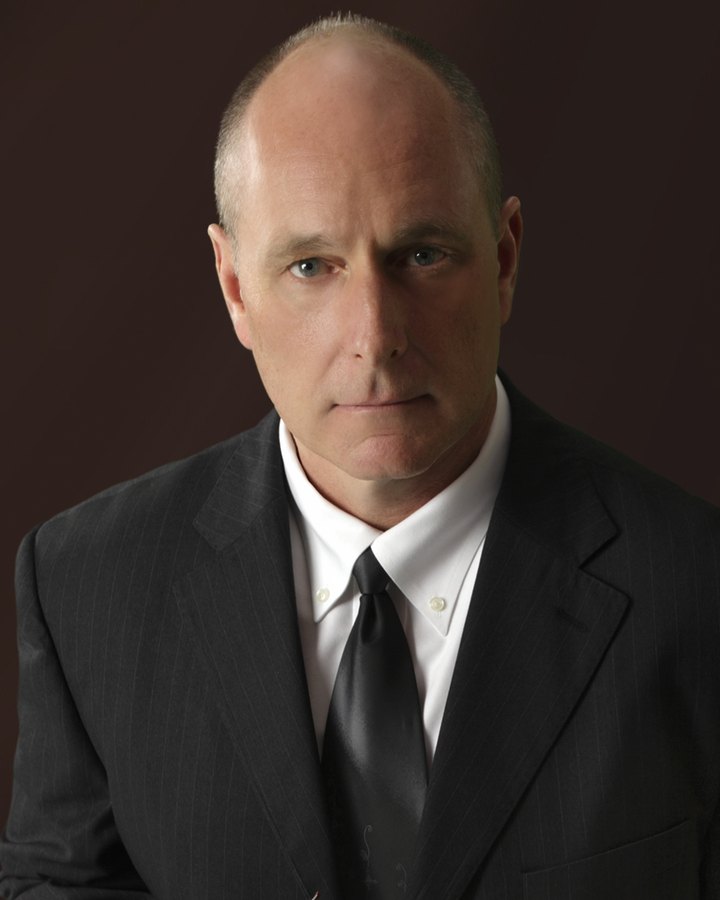 CEO & Owner
Thirty-eight years in four uniforms: street cop, soldier, professor, investigator. More than 220 matters in 42 states and D.C. since 2014.
Full biography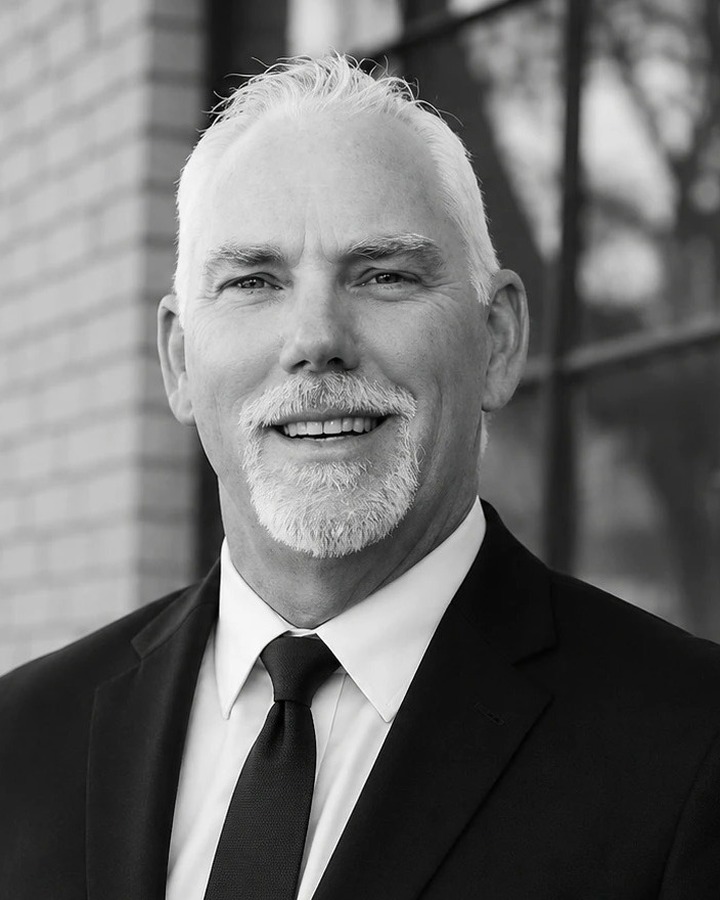 Consultant
More than thirty-five years in public safety: Sheriff of Lewis County, Washington, since his election in 2015, and six years as a commissioner of the state board that sets peace-officer training standards.
Full profile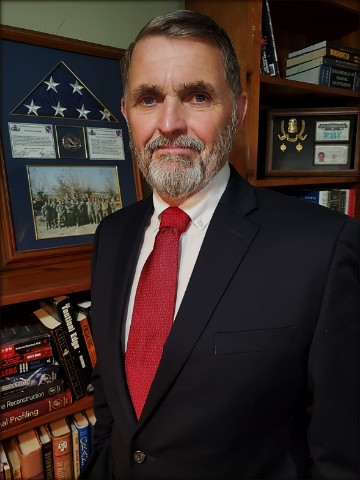 Consultant
Forty years of investigative casework, from patrolman in St. Louis County to the FBI in Chicago, and on to task forces in Afghanistan and Liberia. His work on the Idaho student murders is examined in Broken Plea, the New York Times bestseller by Christopher Whitcomb.
Full profileThe Hon. Richard A. Jones United States District Judge“Mr. Gilbertson’s qualifications demonstrate extensive experience in policing. His expansive work as a police officer in Georgia, with assignments as a SWAT team officer, juvenile court investigator, school resource officer, stakeout squad officer, senior patrolman, and patrolman; then a career as a tenured college professor and university lecturer teaching criminal justice courses to degree-seeking students at colleges and universities, and as a licensed private investigator conducting felony pretrial investigations for attorneys in Washington State in dozens of criminal cases, makes him unique in the field of police expert witnesses. The Court finds that, based on his experience, Mr. Gilbertson’s testimony can be expected to have a reliable basis in knowledge and experience of police practices.”
A homicide file records how the case was run, not only what was found.
The reports in a homicide file describe what the investigators found: the scene, the evidence, the witnesses, the suspect. Where an agency runs homicide cases through a dedicated unit or a designated lead investigator, the file can hold a second set of records that shows how the case was run: which tips and leads came in, who was assigned each one, which were closed and on what basis, when a supervisor reviewed the case, and when the investigation began to treat one person as the suspect. For the defense, that second set is where the investigation's reasoning can be read.
This page covers those records and the practices behind them. Why a homicide charge puts the investigation itself in question is set out on the criminal-defense support page, and the stage-by-stage review of any serious investigation, from the scene through the closed file, is at deficient investigations.
The opinion addresses the investigation as police work, measured against generally accepted investigative practice and the agency's own procedures. It does not reach guilt, the credibility of any witness or any other question reserved for the trier of fact. Legal conclusions remain counsel's; the expert addresses police practices.
The lead record shows what was followed, and when the following stopped.
Where an agency's homicide procedures call for leads to be recorded and assigned, the lead record is the investigation's own account of its choices. Each tip, witness name, vehicle, phone number and alternative explanation that entered the case should appear there with an assignment and a disposition, and a lead with no disposition is a question the file has to answer.
The dates matter as much as the entries. When the lead record shows active work on several possibilities that stops once the accused is identified, the dates show when the case narrowed and which leads were still open that day, and whether that narrowing was premature is taken up in the Library's note on tunnel vision.
A lead that was assigned and never worked is a different finding from a lead that never reached the log. The first is visible in the lead record itself. The second can be shown only from other records, such as radio traffic, patrol reports, canvass notes or a tip received through another channel, that mention something the lead record does not. Each is reported as what the record shows, with its source, and how they are put in order is described in the Library's guide to the record chronology.
A supervisor's case review shows what the unit knew and when it decided.
Where an agency's procedures call for supervisory review of an open homicide case, the review memos, briefing notes and case-status reports show what the unit knew at each checkpoint and what it directed next.
The same records can show the handoff to the prosecution. Where the file shows when the case was presented for charging, what the presentation contained and what it left out, those documents are read against everything the investigation held at that moment, and investigative work that stopped at the charge is a finding the file can support. Where the case was later reviewed again, by a new investigator or a cold-case unit, the second review is read against the first.
A detail kept from the public is traced to where it first appears.
Where investigators withhold particular details of a homicide from the public, the press and witnesses, the withholding is a practice with a purpose. The practices question is whether each held detail stayed held.
The record is read for the answer. Press releases, interviews with witnesses and family members, recorded questioning and the reports that summarize them are read for when each held detail first appears and who supplied it. A detail that first appears in an investigator's question, rather than in an answer, is reported with the source that shows it.
What a statement's content says about its reliability is for the trier of fact. Where a matter raises questions about how people respond to questioning, those questions go, on the record, to qualified experts in other disciplines.
Interviews are read twice: once as recorded, once as summarized.
An interview in a homicide file can exist in two forms, the recording and the written summary, and each is read against the other. Where the agency's policy required an interview to be recorded, the first question is whether it was, from the start. Where a recording exists alongside a report of the same interview, the two are compared line by line, and any place the summary adds, drops or reorders what was said is noted with both sources cited.
The same comparison applies to questioning of the accused. Whether a statement was voluntary or admissible is a legal question for counsel and the court. Where the accused is a juvenile, the custody, notification and advisement records that come before the questioning are read as set out under juvenile defense.
Identification procedures leave a comparable paper trail, from the assembly of an array to the witness's recorded confidence, and how those procedures are measured is covered under photo lineups.
An informant's account comes with a handling record.
Where a homicide case relies on an informant, whether a person with pending charges, a paid source or someone in custody when the account was given, the agency's handling of that informant is a police practice with records of its own. What was promised or given, who authorized it, how the informant's account was tested against the rest of the evidence, and what the agency knew about the informant's history are each measured against the agency's informant policy, where it has one, and generally accepted practice.
Records missing from what was produced are reported as missing, not assumed never to have been made. Whether a promise or a benefit had to be disclosed to the defense is a legal question for counsel, and the disclosure framework is summarized in Brady and Giglio in police files.
The police side of the evidence trail stops short of the laboratory's science.
How the laboratory tested the evidence is a scientific question, and it is deferred, on the record, to qualified experts in that discipline. What the police did with the evidence is not. The collection, the packaging, the documentation, the chain of custody and the examinations the investigators requested are police records, and a request never made is visible in the file as an absence. How custody is documented is set out in chain of custody.
The scene record is read the same way. Where the file holds a scene log, photographs, sketches or measurements, and an evidence list, each is read for when the scene was secured, who entered it and what was collected, against crime scene documentation standards.
The medical examiner's work follows the same boundary. Where an investigator attended the autopsy or received the examiner's findings, the investigator's notes and the timing of what the investigation knew are part of the police file; the medical findings themselves are left, on the record, to qualified experts.
A warrant affidavit is a summary of the investigation on the day it was sworn.
Search warrants in a homicide case, for a home, a vehicle, a phone or an account, are sworn on an affidavit that summarizes what the investigation knew. Read against the file as it stood on that date, the affidavit shows whether the summary matched its sources: which witness said what, what the evidence showed, and what was left out. Where the defense challenges a warrant, what the file held on the day of the affidavit is the police practices question, and whether the warrant was valid is a legal question for the court. Warrant preparation and execution in other searches are covered at warrants and no-knock entries.
The same reading applies to phones, accounts and video. What the investigators asked for, when they asked, and what they preserved are police records, and a request that was never made, or made after the data was gone, shows in the file. What the data itself shows is deferred, on the record, to qualified experts in digital forensics.
When the defense is justification, the analysis turns to the decision to use force.
Many homicide prosecutions in the practice file turn on self-defense rather than identity. 16 of the 26 homicide defense matters in the table of cases also carry the self-defense label. In those matters the analysis addresses the accused's decision to use force, read through the use-of-force framework officers are trained on, together with the investigation that followed it, and the legal elements of the defense remain counsel's. That work is set out at self-defense, and pretrial immunity hearings, where state law provides them, at stand-your-ground and immunity.
Homicide defense in the practice file.
Homicide defense is part of the practice's criminal defense work. 26 matters in the table of cases carry the homicide defense label, all of them in state court, across 7 states. Criminal matters are published only where the table records an acquittal or a dismissal, and those appear below as filed.
State of Washington v. Rodney Wheeler¸ No. 16-1-05587-3, King Cty. Super. Ct., filed Oct. 5, 2016, Murder, Second Degree - Acquittal at Trial.
State v. Hanson, (New London Super. Ct. 2013), acquitted, Nov. 15, 2013 (Attempted murder; First-degree Assault. Acquittal – Trial Testimony).
State of Florida v. Ivan Alberti Sierra, Murder 2nd Degree, Self Defense (Deposition), Dismissed.
State of Oregon vs. Jordan Christopher Clark, Murder 2nd Degree, No. 20CR37909, Self-defense, Acquittal, Trial Testimony.
A homicide review can stay with counsel or reach the jury.
A homicide review can stay consulting-only, as explained in consulting and testifying experts, or lead to a written report and testimony at a suppression hearing, covered under suppression support, or at trial. Court-appointed and public-defender matters are welcome, as set out under court-appointed matters.
The practice's criminal defense work draws on years spent on the defense side of criminal cases. From 2002 to 2022 Professor Gilbertson was a licensed private investigator in Washington State, twelve of those twenty years specialized in criminal defense casework, and the full record is on the page for Professor Gilbertson. King County homicide prosecutions in the practice file are gathered with the rest of that county's casework on the Seattle and King County page. Where a homicide matter calls for a second investigative discipline, FBI Special Agent Christopher Holland (Ret.) is retained case by case and reviews the record independently within his own discipline.
Written reports require sixty days of advance notice, and retention is a non-refundable $9,000 flat fee covering discovery review and the written expert report. The schedule and terms are at For Counsel.
Homicide defense, asked before the record is sent.
Does the expert give an opinion on whether the accused committed the homicide?
How does a set trial date affect the report timeline?
Does the review cover the crime laboratory's work?
What if the lead records were never produced in discovery?
Can the review address a homicide investigation that was reopened years later?
Send the homicide file.
Attorney inquiries are answered directly. If a case presents a conflict, you will hear it immediately.
Inquiry sent.
You will hear back directly. If the matter is urgent, call (239) 571-1840.
Conflicts are checked before any substantive discussion. Please do not send privileged material with a first inquiry; after retention the record is exchanged on physical media. Gregory consults for attorneys and their staff only, and does not provide legal advice or attorney referrals to individuals.